
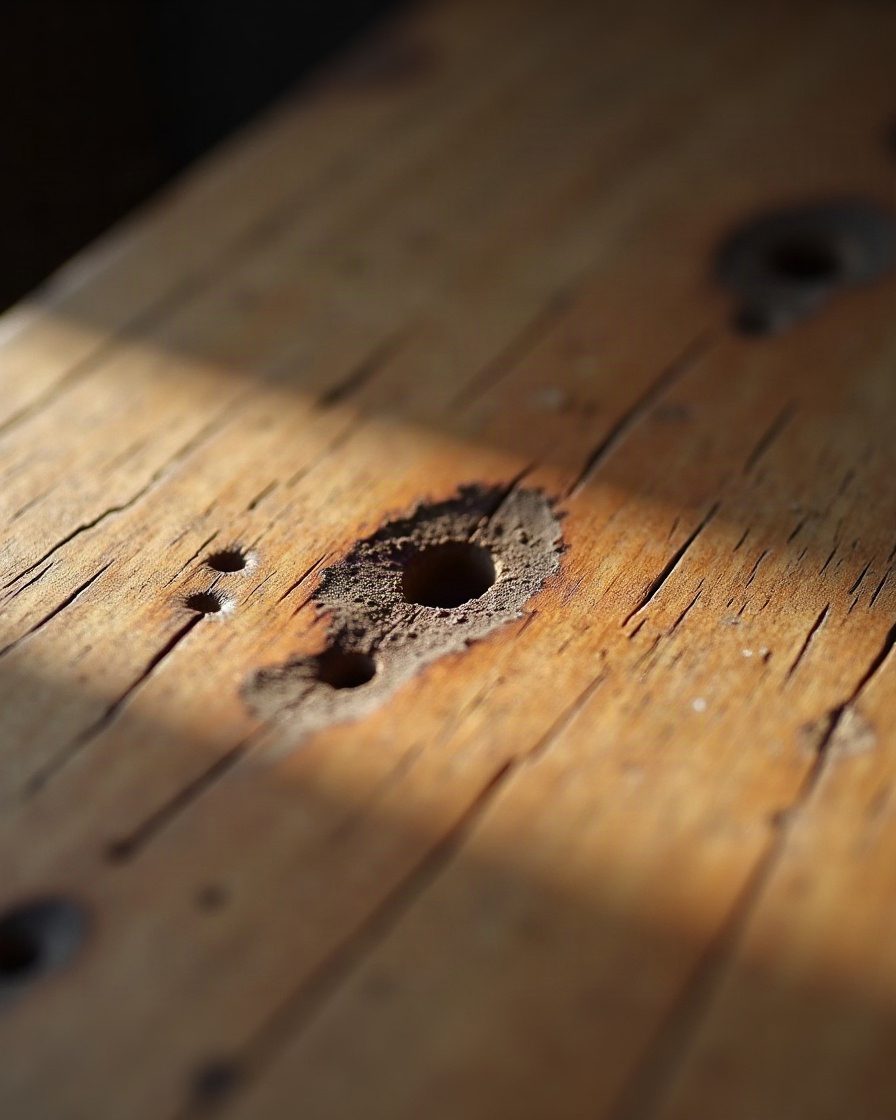
Powderpost beetle frass is extraordinarily fine, close to talcum powder, and it drifts rather than rolls. It falls from round exit holes roughly 1 to 2 mm across, usually in hardwood: furniture, flooring, tool handles, panelling. The critical question is not what it is but whether it is fresh, because a great deal of the damage found in old furniture finished decades ago. Clear it, date it, and look again.
- Feel it: flour, not sand. That separates it from termite and ant debris at once.
- Fresh powder is pale, loose and drifts. Old powder is compacted and dusty.
- Hardwood, not softwood. Pine floors and structural timber are the wrong suspects.
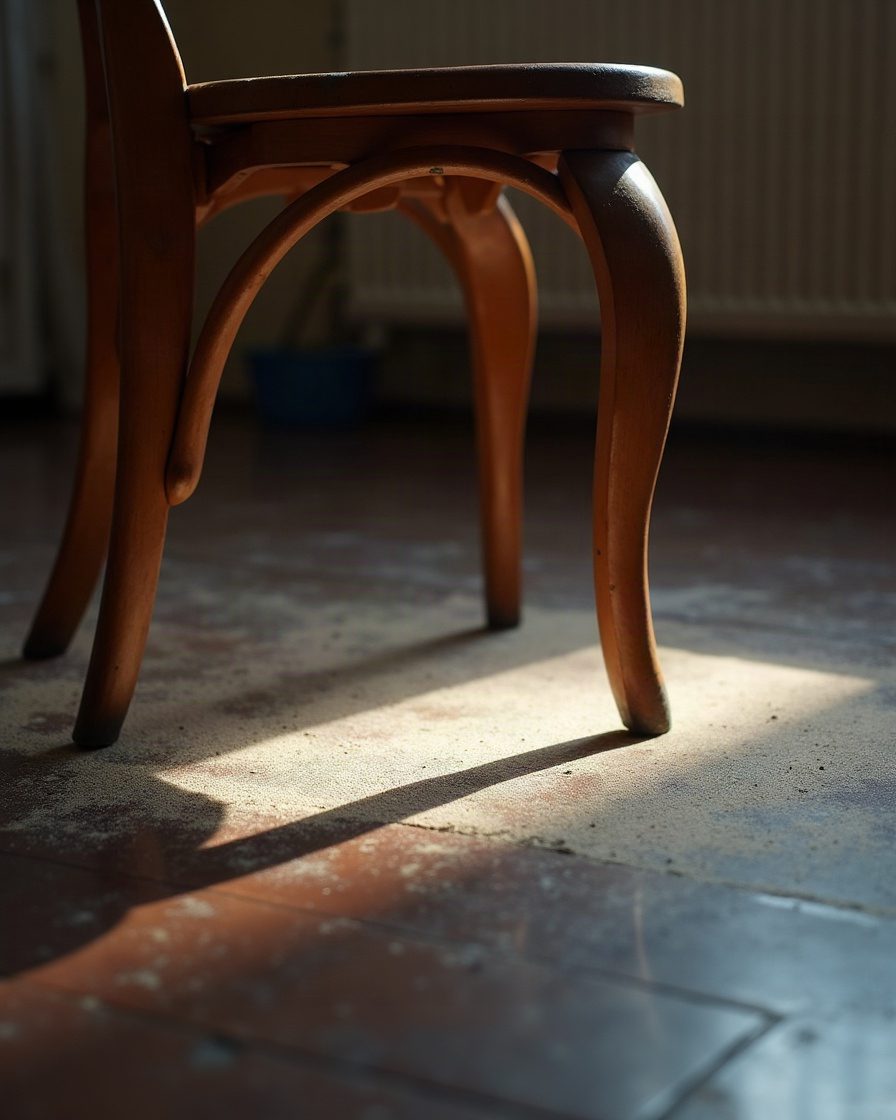
This is the finding that most often produces unnecessary alarm and unnecessary treatment, because the evidence looks the same whether the beetles left last week or in 1974. The article is mostly about telling those apart.
Identifying the powder
Texture. The defining feature. Rub a pinch between finger and thumb: it feels like flour or talc, with no grittiness at all. It will drift if you breathe on it. This is why the beetles are named as they are.
Colour. Pale cream to light tan, the colour of the wood interior.
Position. Falling from small round holes, and accumulating below them: on a floor beneath a piece of furniture, on a shelf below panelling, inside a drawer.
The holes. Round, sharp-edged, and small. Lyctid powderpost beetles produce holes around 1 to 2 mm; the related families run a little larger. The hole is the exit, made by the emerging adult, which means it marks where an insect left rather than where one went in.
The University of Kentucky’s guide to powderpost beetles covers the family differences, and Penn State’s guide to powderpost beetles covers the wood types each attacks.
The wood tells you a lot
Lyctid powderpost beetles attack hardwoods only, and specifically hardwoods with large enough pores for the female to lay in: oak, ash, walnut, hickory, mahogany, bamboo. They need starch in the sapwood, which is why the risk is concentrated in relatively new hardwood, generally under five years from milling.
This is genuinely useful. Pine, spruce and fir are not lyctid hosts. Powder falling from softwood structural timber is something else, most often an anobiid beetle, which does attack softwood and does tolerate older, damper wood. That distinction changes the outlook, because anobiid infestations in structural timber can persist and spread where lyctid infestations in a piece of furniture generally cannot.
Common sites: furniture and antiques, hardwood flooring, decorative panelling, bamboo goods, picture frames, tool handles, and hardwood used in cabinetry.
What it is not
Termite frass. Hard, granular, six-sided pellets around 1 mm. Rolls rather than drifts, and feels like sand. See termite frass identification.
Carpenter ant spoil. Coarse fibrous shavings with insect parts mixed in, from a slit rather than a round hole. See carpenter ant frass compared with sawdust.
Ordinary dust. Grey rather than cream, and not localised beneath a hole.
Wood flour from a previous repair. Position usually explains it.
Sawdust piles indoors puts the four side by side, and small holes in wood covers the diameters.
Active or finished, which is the whole question
Exit holes are permanent. A piece of oak furniture can carry holes made three generations ago and be completely inert. Treating on the basis of holes alone is a common and expensive mistake.
The test:
1. Vacuum or brush away every trace of powder. Be thorough; leave nothing.
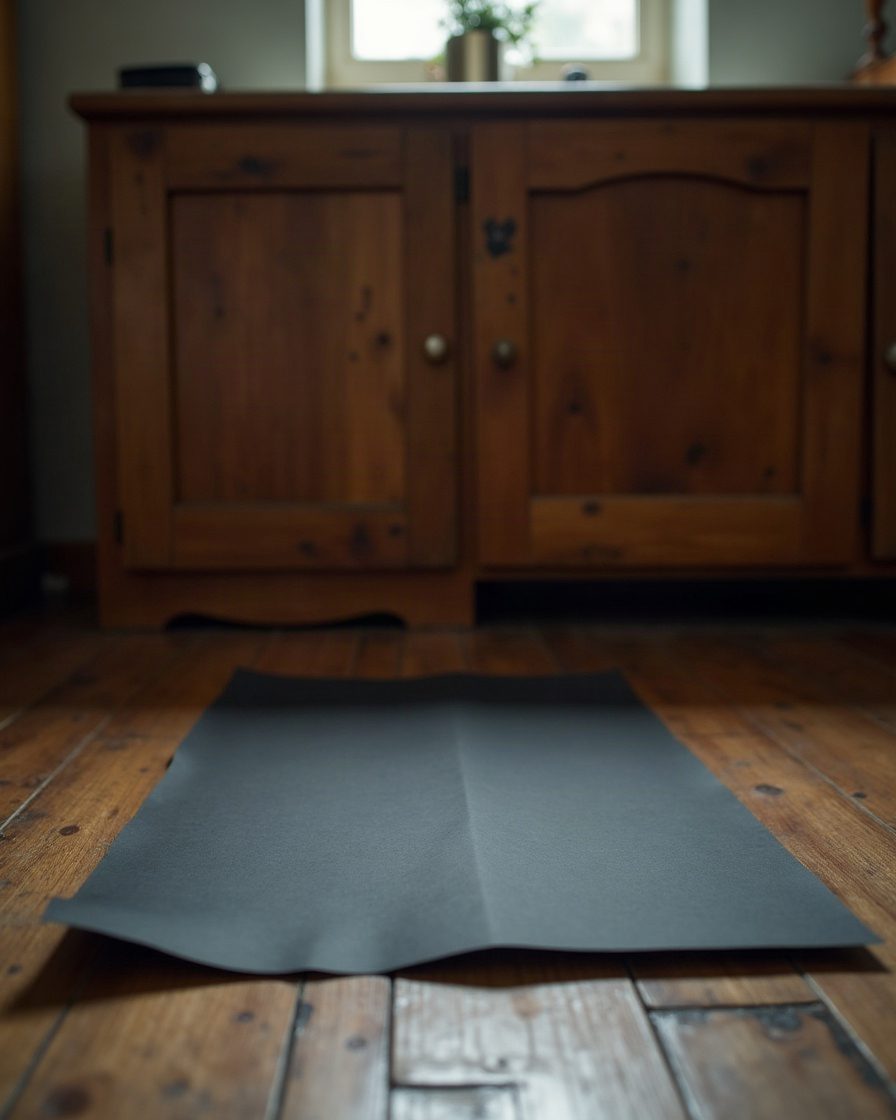
2. Lay dark paper or card beneath the piece, because pale powder is nearly invisible on pale surfaces and obvious on dark ones.
3. Note the date.
4. Check weekly for a month, and again through the following spring. Adults emerge seasonally, most often in spring and early summer, so a single quiet fortnight in November proves little.
New powder means active. No new powder across a full emergence season means finished.
Two supporting signals: fresh powder is loose, pale and drifts, while old powder has taken on grey dust and compacted; and fresh exit holes show pale, clean wood at the rim against a darker weathered surface.
If it is active
For a single item of furniture, the practical options are heat, cold or fumigation by a specialist. Sustained freezing works for small items: sealed in plastic, at a genuine deep-freeze temperature, for a fortnight. Kiln heat treatment works and is offered commercially. Surface insecticides do little, because the larvae are inside the wood and the finish blocks penetration; a bare, unfinished underside can be treated with a borate product, which does penetrate raw wood.
For flooring or structural timber, this becomes a professional assessment. The species question matters here: anobiid activity in structural softwood is treated differently from lyctid activity in a hardwood floor.
The durable preventive measure is moisture. Anobiid beetles need wood above roughly 14 percent moisture content, so ventilating a subfloor or a crawl space and fixing the source of damp removes the conditions. Lyctid risk is managed at the timber-supply end rather than in the house.
Common questions
Will it spread to other furniture? Lyctid beetles need suitable hardwood with starch in the sapwood, so spread to unsuitable timber does not happen. Spread to another susceptible hardwood piece in the same room is possible.
Is my house at risk from a chair? Structural timber in most homes is softwood, which lyctids do not attack.
The holes are big, about 5 mm. That is outside the powderpost range and suggests a different borer, or an old house longhorn beetle in some regions. Worth identifying properly.
Can I just fill the holes? Filling hides the evidence you need to run the test. Do the clean-and-wait first, then fill.
The bottom line
Flour-fine powder from small round holes in hardwood means powderpost beetles. Then answer the only question that matters: clear the powder, put dark paper underneath, date it, and watch through a full spring. Most of what is found in old furniture turns out to be historic, and the test that proves it costs nothing but patience.
Pingback: Small Holes in Wood: Identifying What Made Them