Bees, Wasps & Hornets

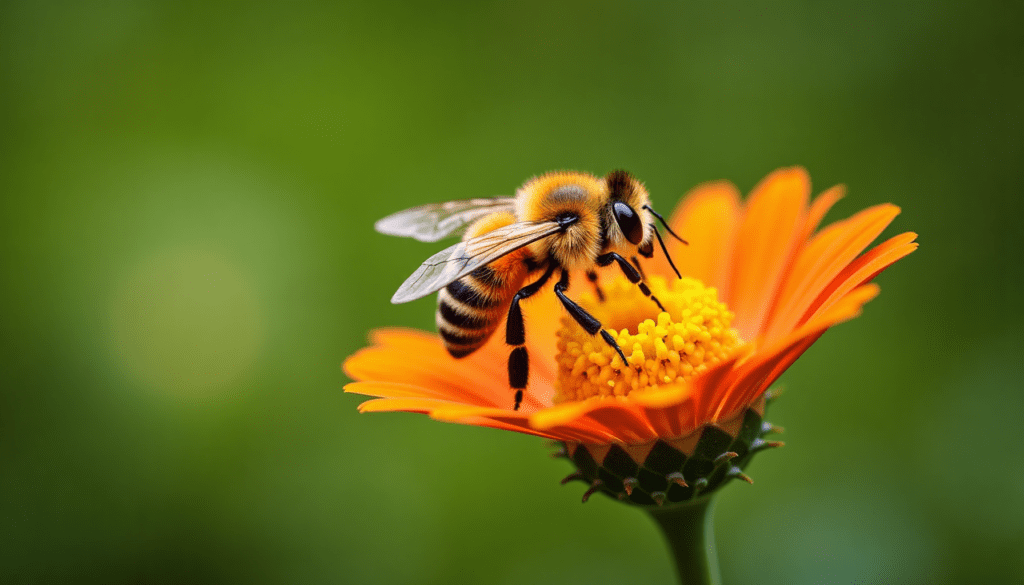
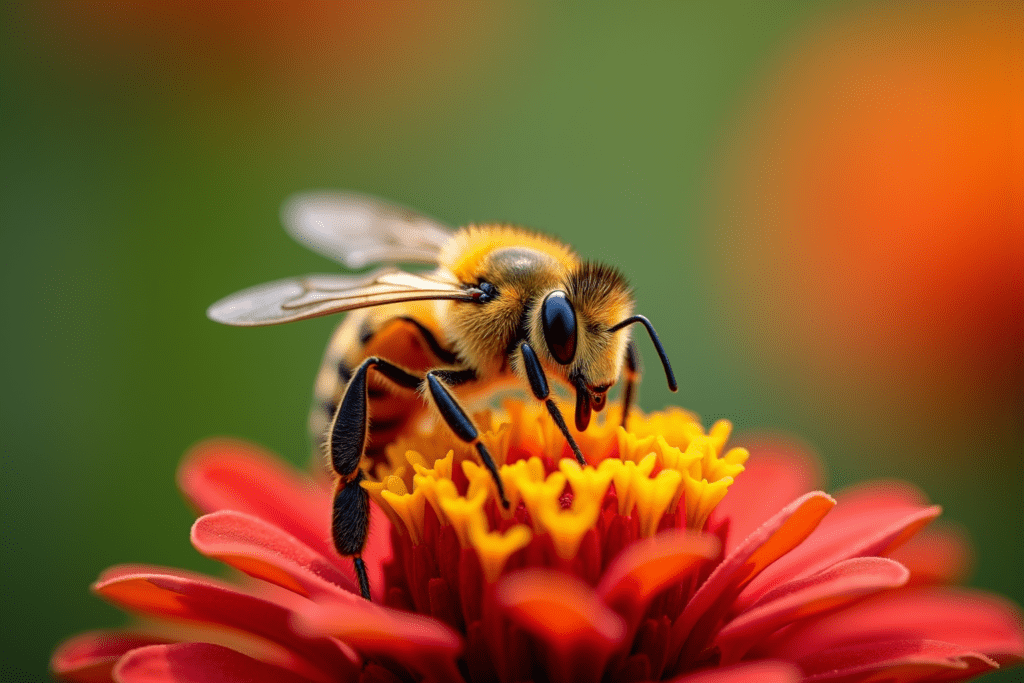
Close-up of a honeybee on a flower, highlighting details of honey production and beekeeping.

Discover How Much Honey a Beehive Can Produce Each Year

Finding out how much honey a hive can really make is exciting – and a little confusing. One backyard beekeeper might harvest a few jars, while another pulls off multiple full supers. That swing is normal. Honey production depends on nectar in your area, weather, colony strength, pests, and how you manage space and swarming.

Discover How Much Honey a Beehive Can Produce Each Year Read More »

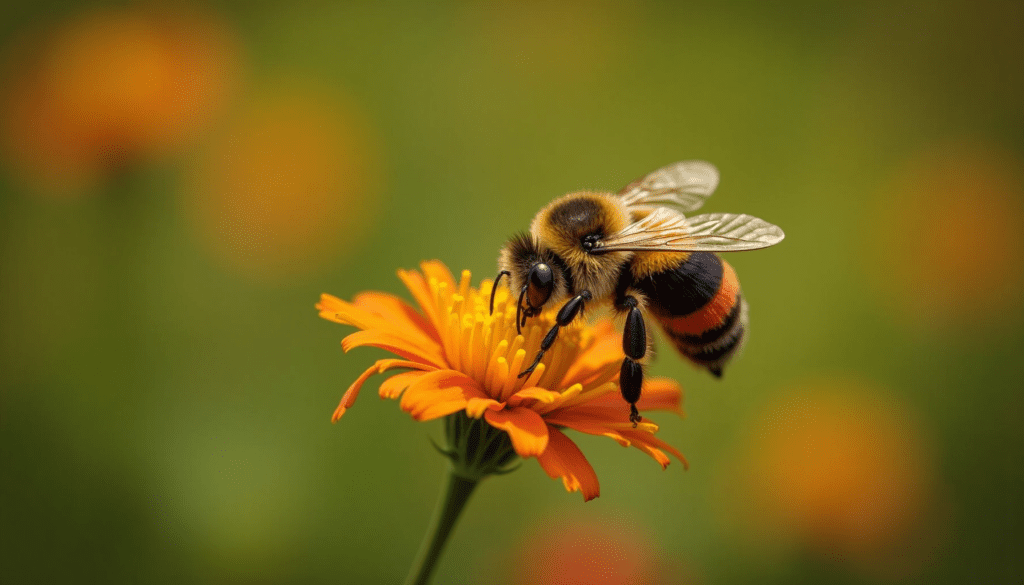
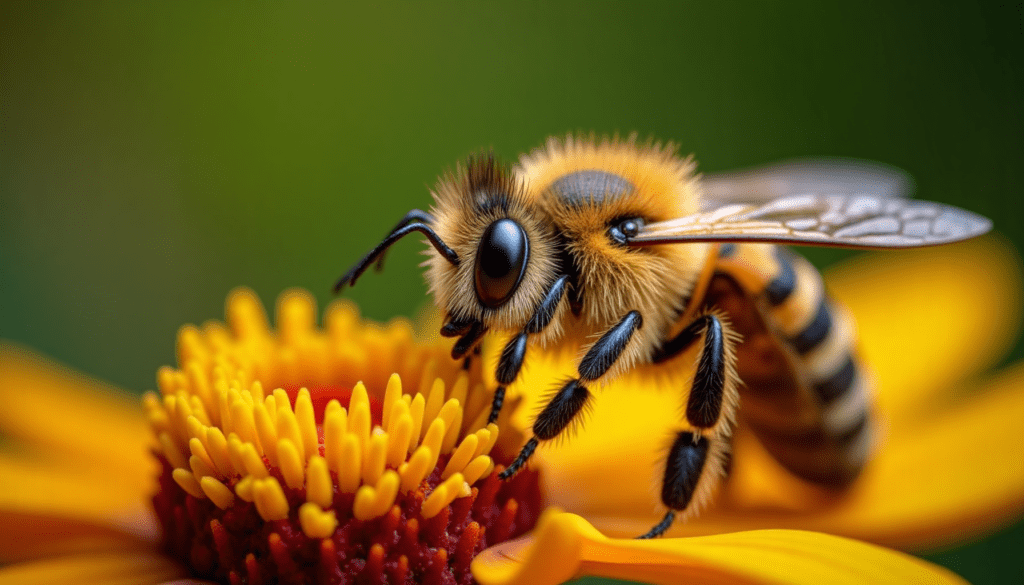
Close-up of a bumblebee on a flower, highlighting details and colors, representing endangered bees.

Why Are Bees Endangered? Discover How You Can Make a Difference

You are seeing fewer bees because many species are losing the basics they need to survive: safe places to nest, diverse flowers from spring through fall, and protection from chemicals and disease. The phrase endangered bees can be confusing because it covers very different insects – managed honey bees, wild bumblebees, and thousands of solitary

Why Are Bees Endangered? Discover How You Can Make a Difference Read More »

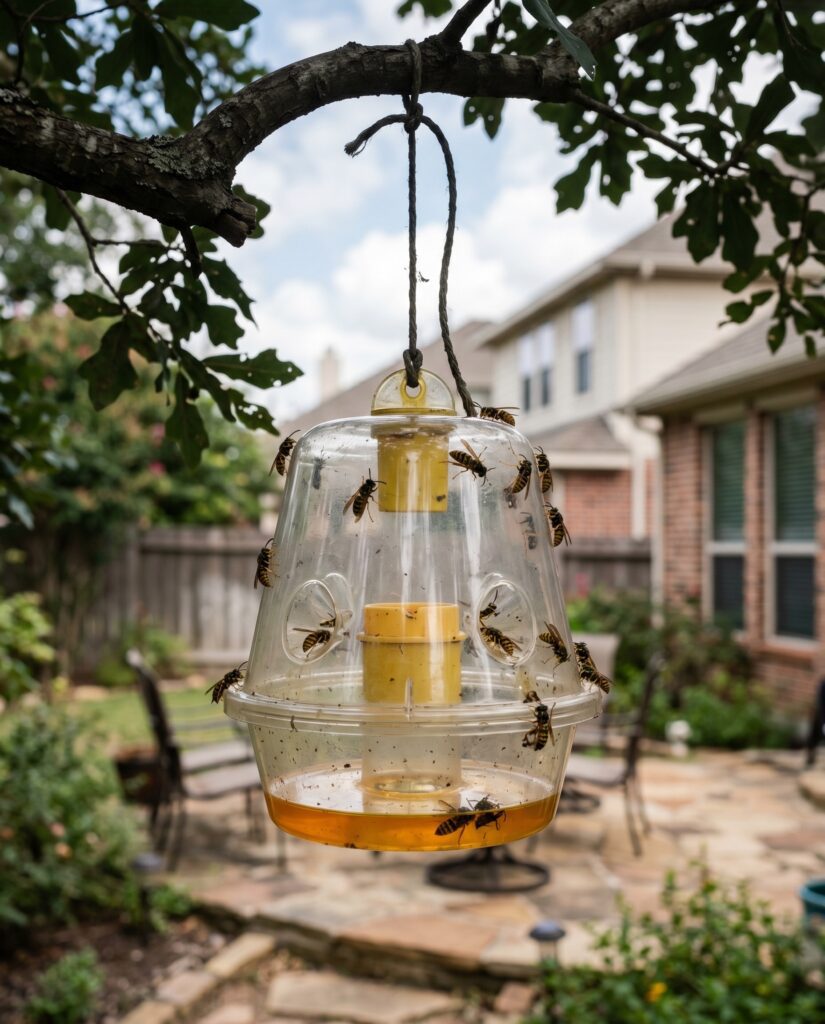
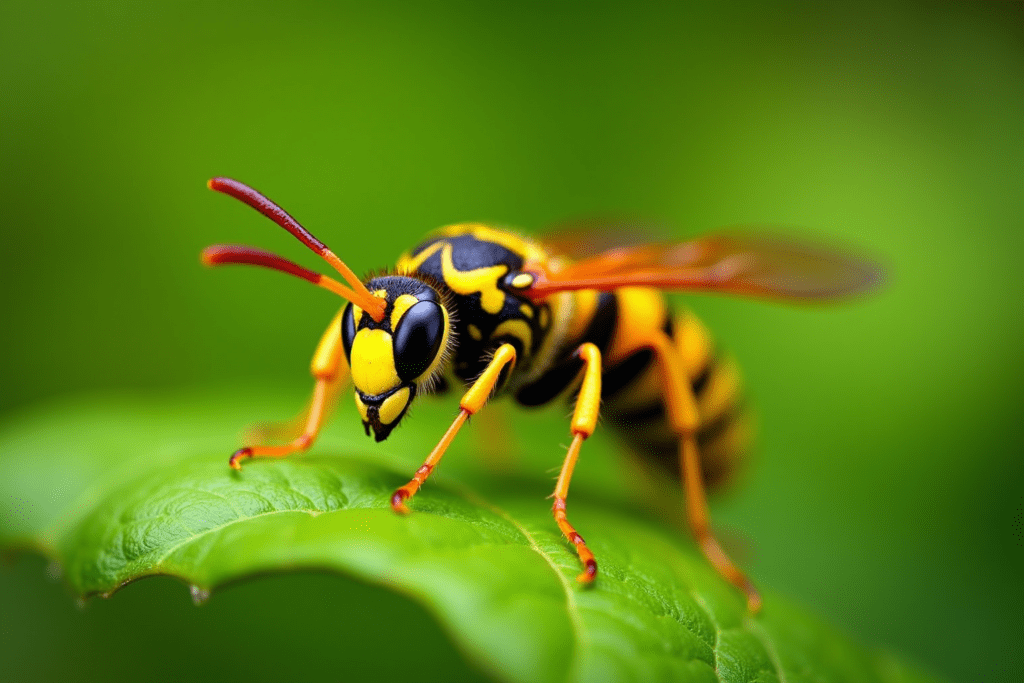
Close-up of a yellow jacket wasp on a leaf, showcasing its details and colors.

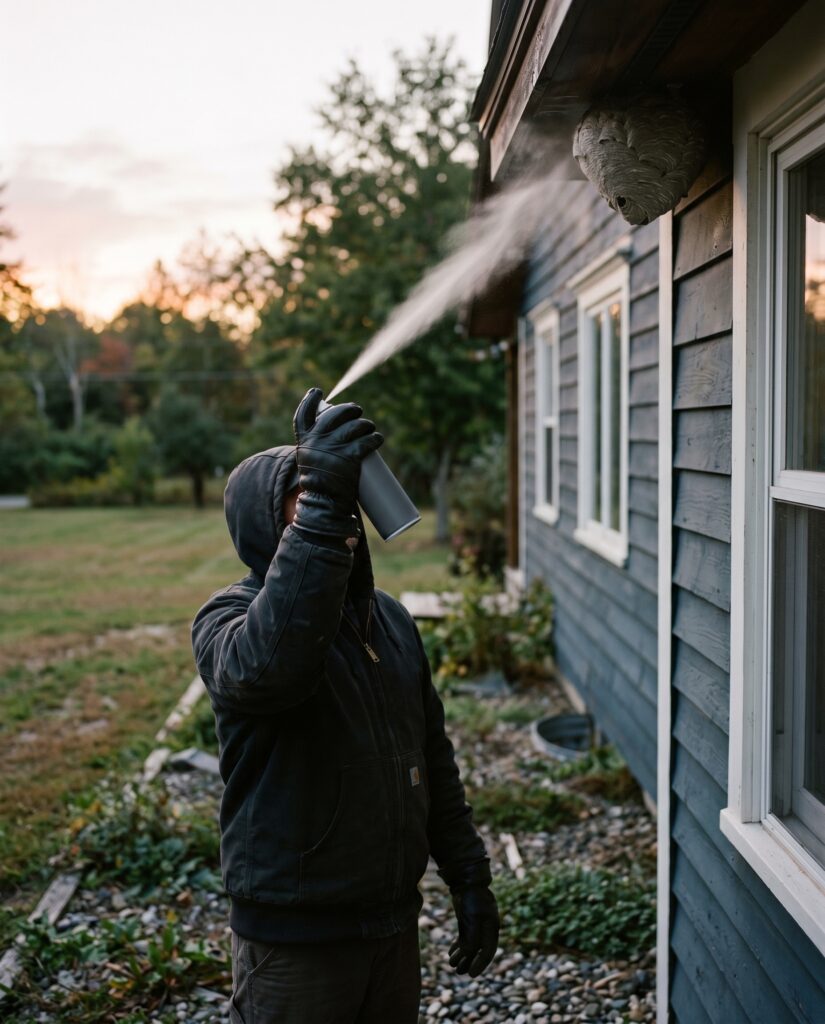
How to Get Rid of Yellow Jackets: Your Complete Guide to Control

Finding yellow jackets around your patio, trash cans, or siding can turn a normal afternoon into a stressful one fast. To get rid of yellow jackets, you need two things: the right ID (they are wasps, not bees) and a plan that matches the nest location. This guide walks you through safe, practical yellow jacket

How to Get Rid of Yellow Jackets: Your Complete Guide to Control Read More »

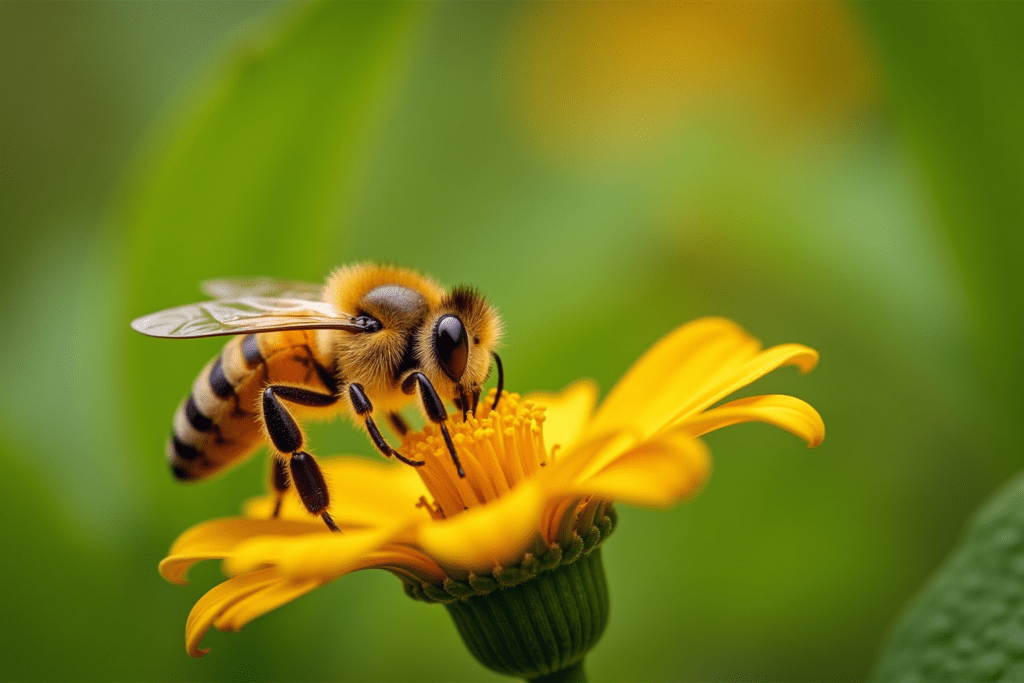
Close-up of a honeybee on a flower, highlighting details for beekeeping insights.

How to Start Beekeeping: Your Complete Beginner’s Guide

If you’re wondering how to start beekeeping, the safest path is simple: learn your local seasonality, start with two colonies, and plan from day one to monitor and manage Varroa mites. Most first-year problems are not mysterious – they come from starvation during comb-building, poor queen performance, or mites left unchecked until late summer. This

How to Start Beekeeping: Your Complete Beginner’s Guide Read More »

Scroll to Top