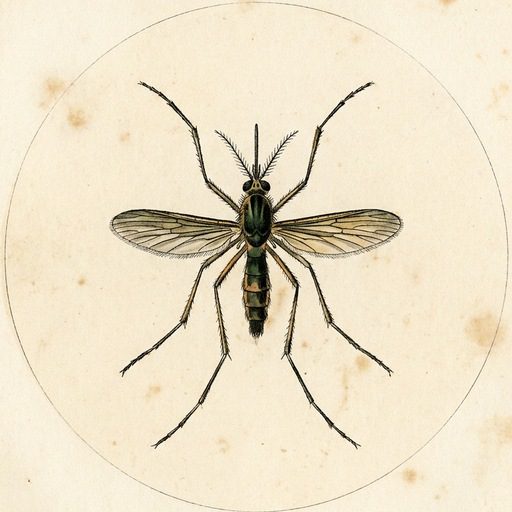
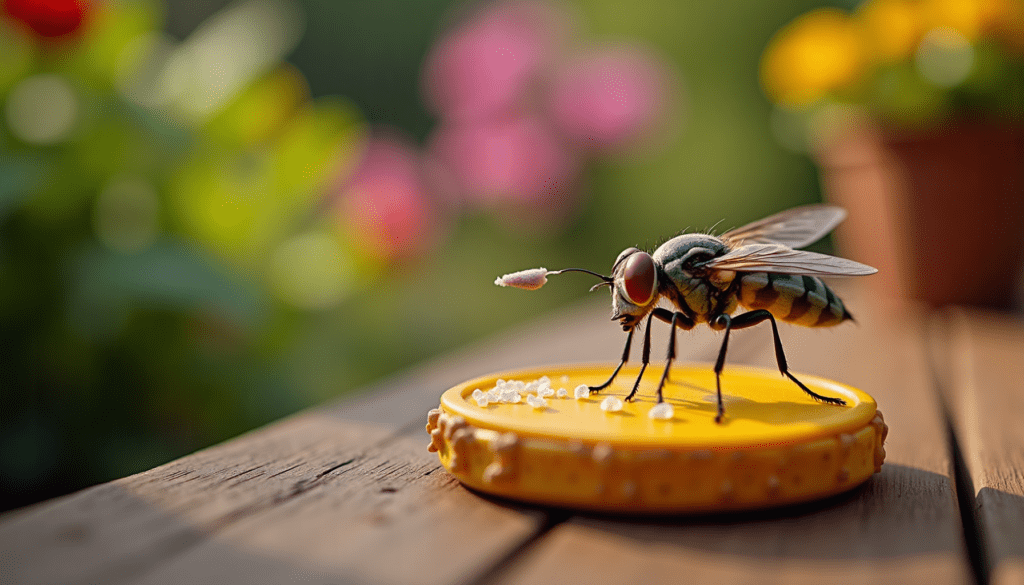
You will never get a good look at what bit you, so identify by circumstance instead. Dusk near still water with bites you never felt coming means no-see-ums. Daytime near running water with bleeding pinpricks means black flies. Open sun on a hot day with a painful bite from something large means horse or deer flies. Non-biting midges swarm in columns and do not bite at all.
- Bites appeared with no insect seen: biting midges, which pass through standard screens.
- A bite that bled: black fly, which cuts rather than pierces.
- A swarming column over a path at dusk: non-biting midges, harmless and worth ignoring.
The insects on this page are mostly too small or too fast to see, and several are nearly identical under a lens anyway. What separates them cleanly is when they bite, where you were, and what the bite felt like.
Sorted by circumstance
| When and where | What it was | The bite |
|---|---|---|
| Dusk and dawn, near still or brackish water | Biting midges, no-see-ums | Felt afterwards, not at the time |
| Daytime, near fast running water | Black flies | Often bleeds; cuts rather than pierces |
| Hot open sun, near livestock or a shoreline | Horse and deer flies | Immediately painful, large |
| Dusk, indoors or out, high-pitched whine | Mosquitoes | Itchy welt, often noticed later |
| A swarming column over a path or water | Non-biting midges | None; they have no mouthparts for it |
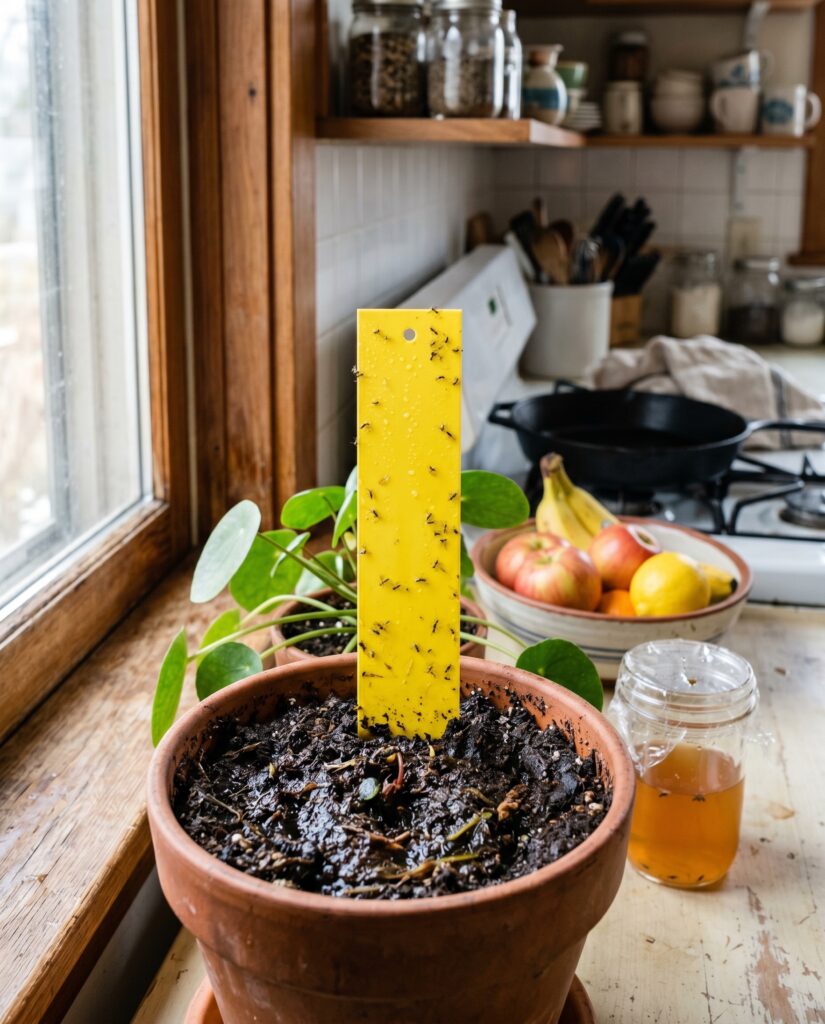
| Damp shade, gardens, near compost | Fungus gnats | None; a plant problem, not a bite |
Biting midges, the ones you never see
Called no-see-ums for the obvious reason: one to three millimetres, which is small enough to pass straight through ordinary insect screening. They are most active at dawn and dusk, in still air, near marshes, ponds, brackish water and damp soil.
The signature is the sequence. You feel nothing at the time and find the bites later: small, intensely itchy red spots, often in clusters on ankles, wrists and the hairline where skin was exposed.
Two practical consequences. Standard 16-mesh screening does not stop them, so a porch that keeps mosquitoes out will not keep these out. And they are weak fliers, so a fan on a patio is genuinely effective where a repellent alone struggles.
Our guide to telling no-see-um bites from mosquito and gnat bites covers them in detail.
Black flies, and the bite that bleeds
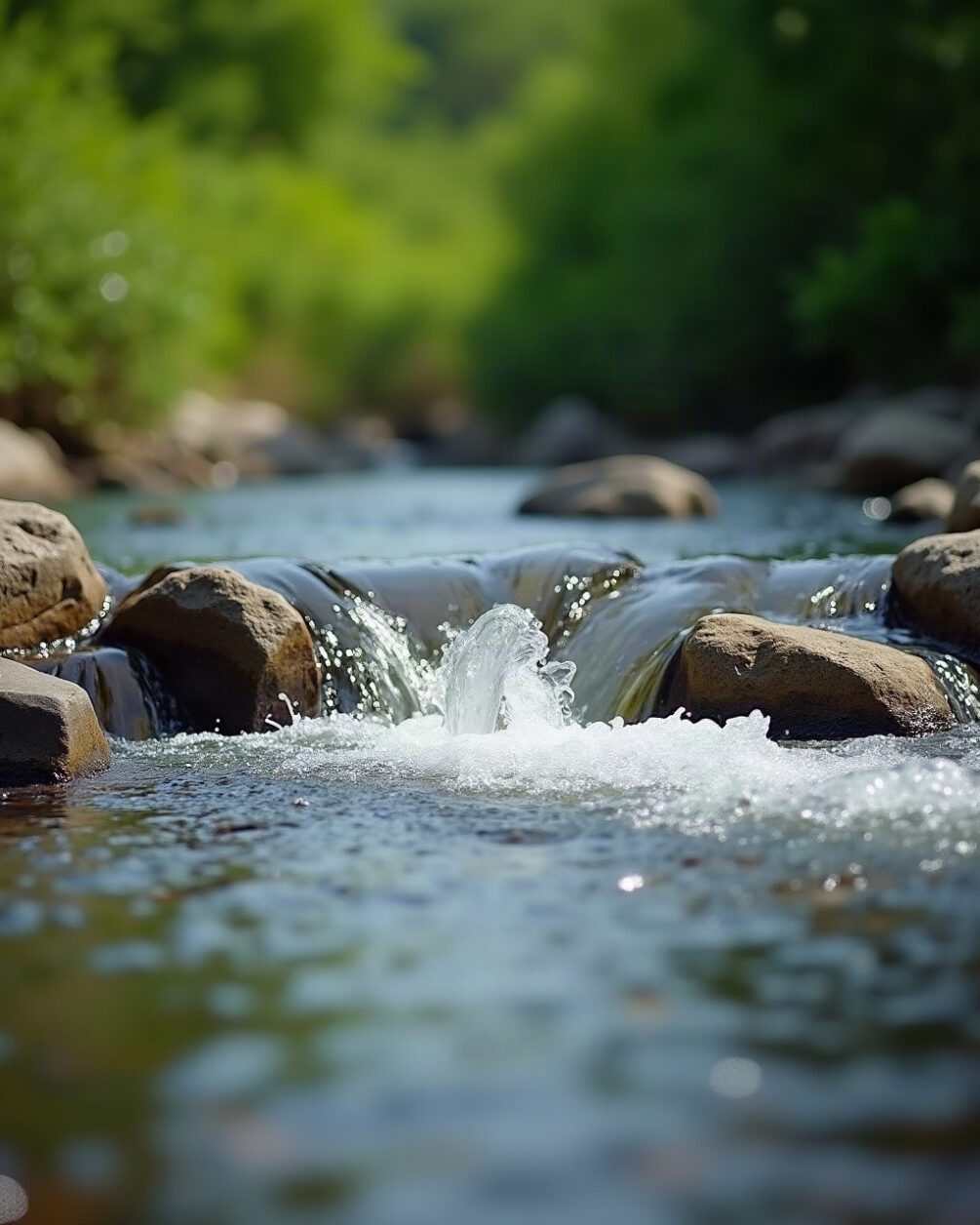
Small, dark, humpbacked, and active in daylight rather than at dusk. Their larvae need fast flowing, well-oxygenated water, so they concentrate near streams and rivers rather than ponds, and they are strongly seasonal: a few intense weeks in late spring and early summer in most regions.
The bite is distinctive because of the mechanism. Black flies cut the skin and feed from the pool rather than piercing it like a mosquito, which is why the bite often bleeds a little and why the swelling can be disproportionate.
They also swarm around the head and crawl into hair, collars and cuffs, which is a behaviour mosquitoes do not share.
Horse flies and deer flies
The largest on the list and the only ones you will get a clear look at, usually while it is happening. They are strong fliers, active in hot bright conditions, and drawn to movement, dark colours and shiny surfaces.
The bite is immediately and disproportionately painful, because the mouthparts are built to slice. Only females bite; males feed on nectar.
They are persistent in a way that other biting flies are not: swatting one away usually means it comes back. They are also almost impossible to repel reliably, which is why the practical advice is cover rather than chemistry. Our horse fly guide covers what does and does not work.
The ones that do not bite
Worth naming because they cause a great deal of unnecessary worry.
Non-biting midges are the swarming columns over paths, water and hedges at dusk, often in enormous numbers. They are a mating swarm, they have no functional biting mouthparts, and they are an important food source for birds and fish. They are also a sign of a healthy waterway rather than a problem.
Crane flies, sometimes called mosquito hawks, are large, long-legged and completely harmless. They do not eat mosquitoes and do not bite.
Fungus gnats are a houseplant matter rather than a bite. Our gnat identification guide separates the three small flies people confuse indoors.
If bites are appearing and nothing outdoors fits, our guide to things on skin you cannot see covers the indoor and non-insect explanations honestly.
What actually works outdoors
Cover, rather than repel, for the large ones. Long sleeves and light colours do more against horse flies than any product.
A fan for midges. They are weak fliers and a moving column of air on a patio is remarkably effective.
Finer mesh if no-see-ums are the problem: standard screening is not fine enough.
Timing. Dusk and dawn are when midges and mosquitoes feed. Shifting an evening outdoors by an hour does more than most people expect.
Registered repellents on skin. The EPA’s guidance on registered insect repellents covers what has been reviewed, and MedlinePlus notes that most bites itch rather than hurt and resolve on their own. Our repellent guide covers the choices, which are the same across this whole group.
Treat the bites simply. Cool compress, an over-the-counter antihistamine or hydrocortisone per the label, and watching for signs of infection. Our bite identification chart covers the patterns, with the standing caveat that nobody can name a culprit from a welt alone.
Common questions
I was bitten but saw nothing.
That points at biting midges, which are small enough to be invisible and whose bite is not felt at the time.
The bite bled. Is that bad?
It points at a black fly, which cuts rather than pierces. The bleeding is the feeding method rather than a sign of severity.
Are the swarming clouds over the pond dangerous?
No. Those are non-biting midges in a mating swarm, and they are food for a great many other things.
Final verdict
Stop trying to identify the insect and identify the circumstance. Dusk beside still water with bites that appeared without warning means no-see-ums, and the answer is finer mesh and a fan. Daylight beside a fast stream with a bite that bled means black flies, and it is a short season. Hot open sun and an immediately painful bite means a horse fly, and covering up beats repelling. And a swarming column over a path is a mating swarm that cannot bite you at all.