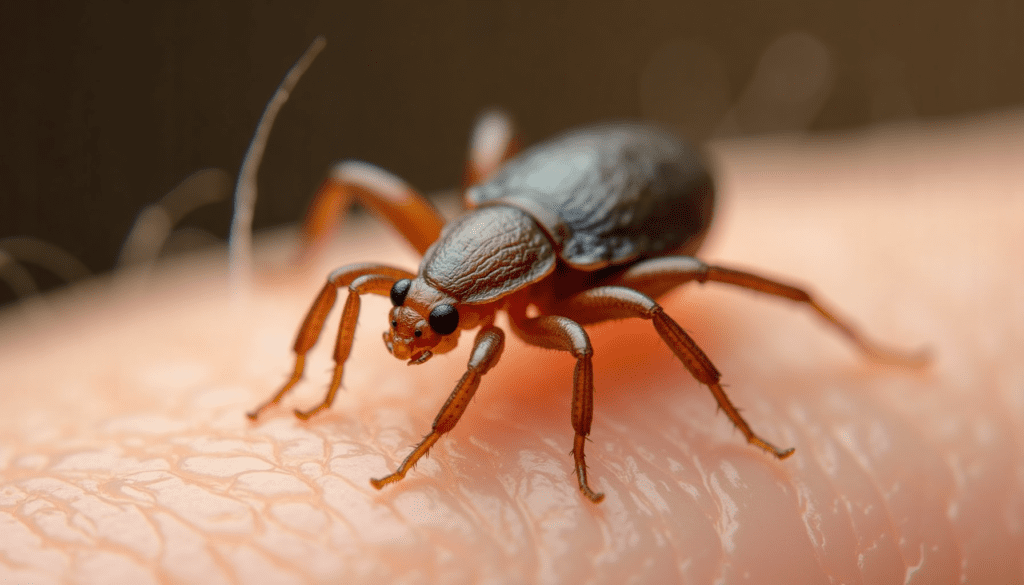
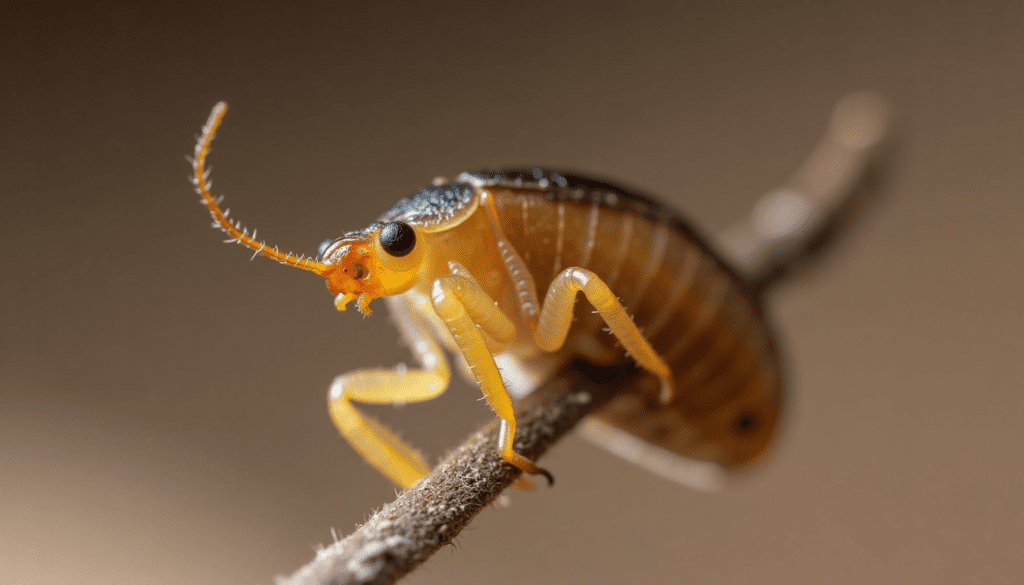
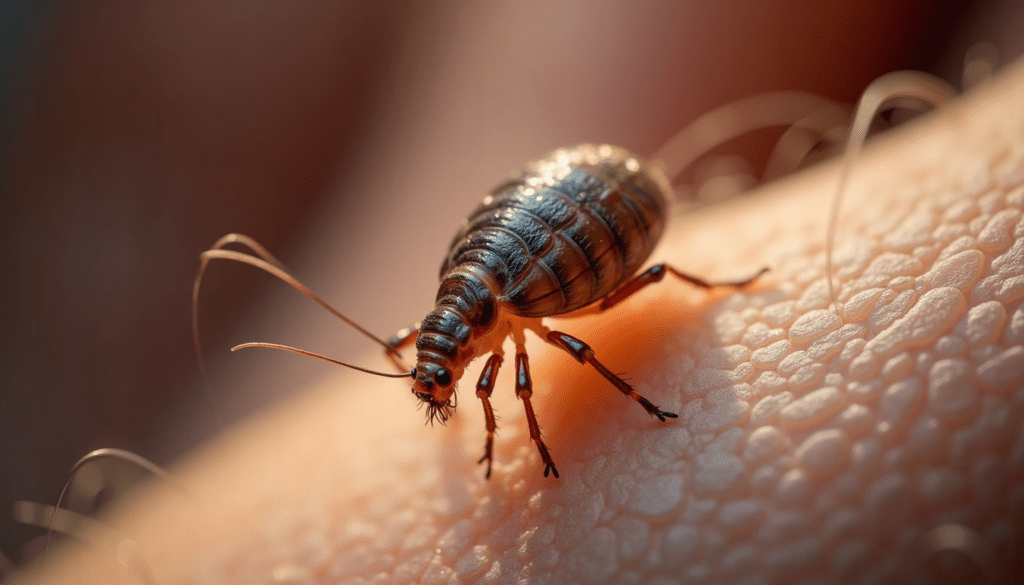
An adult head louse that falls off the head dies within about 1 to 2 days, because it needs frequent blood meals and scalp warmth to survive. Lice crawl only, they cannot jump or fly, so couches, hats, and bedding are minor side routes, not the main event.
- The main route: Direct head-to-head contact. Shared hats, brushes, and pillows are possible but much less common.
- The cleaning scope: Hot-wash and hot-dry items used in the last day or two, soak combs and brushes, vacuum where heads rested, and stop there.
- The real work: Treating and combing the affected head, and checking household members, matters far more than any deep clean.
The lice note comes home from school, and the first instinct is to treat the whole house as contaminated: strip every bed, bag every stuffed animal, shampoo the carpets. Take a breath, because the biology is on your side. A head louse is a fragile, wingless insect built for exactly one habitat, the warm scalp it feeds on several times a day, and away from that scalp it starts dying almost immediately. Once you know the actual survival clock, the cleaning job shrinks from a weekend-long panic to a load of laundry and a pass with the vacuum, and your effort goes where it works: on heads, not on houses.
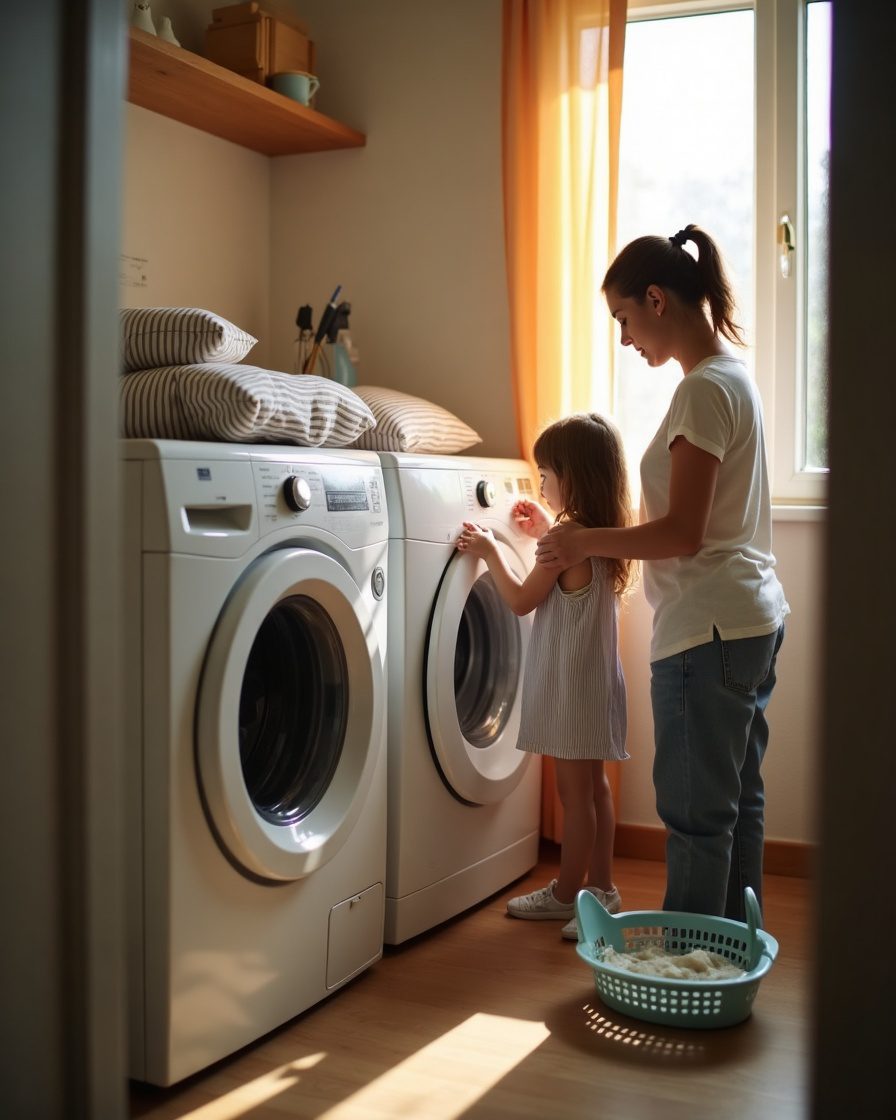
The 1-to-2-day survival clock, straight from the sources
Head lice are obligate parasites of the human scalp, feeding on blood several times a day with no reserve strategy for life anywhere else. The University of Kentucky’s entomology fact sheet is direct about what happens when that supply is cut off: adults that lack blood meals die within 1 to 2 days. That is the whole story of the louse on your couch. It is not lying in wait for weeks; it is running out of time from the moment it loses contact with a head.
On the head, the picture differs. MedlinePlus notes that an adult louse can live up to 30 days on a human, feeding and laying eggs the entire time. That contrast is the single most useful fact in this whole topic. A louse with a scalp is a month-long problem. A louse without a scalp is a one-to-two-day problem that solves itself. For the full biology behind those numbers, our walkthrough of the head lice life cycle from egg to adult covers each stage.
It is also worth saying what a healthy louse does with its time, which is stay put. Lice grip hair shafts with claws shaped for exactly that job, so most lice found in the environment were dislodged, often already injured or dying, which shortens that 1-to-2-day window even further in practice.
Why lice die so fast away from the scalp
Two needs kill a stranded louse: food and warmth. The blood-meal problem is absolute, since a head louse can feed only on a human host and needs to feed several times a day; miss enough meals and it dehydrates and dies. The warmth problem compounds it, because room-temperature air is, from a louse’s point of view, a cold and dry place that drains it faster than the stable, humid scalp it left.
The louse also has no way to fix its situation. This is where a second core fact does a lot of reassuring work: lice move by crawling, because they cannot hop or fly. A louse on the carpet cannot launch itself back onto a passing child; its only path back is for a head to come within crawling distance during the day or two it has left. That narrow window is exactly why the overwhelming majority of cases spread through direct head-to-head contact, the slumber-party, heads-together-over-a-tablet kind that children provide in bulk.
One contrast makes the point sharper. Body lice, a different species, actually do live in fabric: MedlinePlus notes they live in the seams and folds of clothing and can persist there for weeks. Head lice cannot do that. If head lice were built to survive in bedding and upholstery, the advice would look very different, and the fact that it does not tells you how weak the environmental route really is.
What about the nits?
Eggs deserve a little more respect, but only a little. A female louse glues each egg, the nit, to a hair shaft close to the scalp, and that placement is not random: the egg develops in the warm, humid zone right at the skin, incubated by body heat. An egg on a hair shed onto a pillow or car seat has lost its incubator, and even if it somehow hatched, the fragile nymph must find a scalp and feed almost immediately or die.
Still, eggs are tougher than adults. MedlinePlus puts the outer bound at more than 2 weeks of viability for lice eggs, which is precisely why the classic advice for non-washable items is a two-week seal in a plastic bag. That is not superstition; it is the egg’s maximum clock plus a margin. The whole standard cleaning routine maps onto these two clocks: 1 to 2 days for crawling lice, about two weeks for the rare stray egg.
The practical takeaway: nits in the environment are close to a non-issue, while nits on the head are the real inventory. Spotting them where they matter, glued to hairs near the scalp, is the skill worth building, and our parent’s guide to checking for lice shows how to run that check with a comb and good light.
Risk windows: couch, bedding, hats, and car seats
Here is how the survival clock translates into the objects parents worry about. The pattern: risk tracks how recently a head was on the item and how likely another head is to be on it soon.
| Item | Realistic risk window | Sensible response |
|---|---|---|
| Pillowcase and bedding | Highest in the first day or two after use by the affected person | Hot wash, high-heat dry; change the pillowcase during treatment |
| Hats, hoods, scarves | Short; a louse on a hat is dying, but a hat shared within a day is a plausible bridge | Hot wash or hot dry recently worn items; pause hat sharing |
| Couch, headrests, car seats | Low; brief head contact, smooth or cool surfaces, and the crawl-only rule all work against transfer | Vacuum where heads rested in the last couple of days |
| Combs and brushes | Real but easy to close; lice and shed hairs collect exactly where the next head goes | Soak in hot water for 5 to 10 minutes; do not share during treatment |
| Stuffed animals, helmets, non-washables | Very low after 2 days; effectively zero after two weeks | Seal in a plastic bag for two weeks, or simply set aside |
Notice what is not on any list: the carpet steam cleaner, the furniture spray, the insecticide fog. A treatment aimed at surfaces is aimed at lice that are already dying, so sprays and foggers add chemical exposure to your home without adding protection.
Right-sizing the cleanup
The evidence-backed cleaning list is short, and every item comes from the same MedlinePlus playbook: hot-wash and hot-dry clothes, bedding, and towels, soak combs and brushes in hot water for 5 to 10 minutes, vacuum floors and furniture where the person sat or lay, and seal non-washables in a plastic bag for two weeks. The University of Kentucky adds numbers for the laundry step, hot soapy water around 150 degrees Fahrenheit and at least 20 minutes in a high-heat dryer. Limit all of it to items used by the affected person in the day or two before treatment, the only window in which a live louse could plausibly be waiting.
Everything beyond that list is effort spent on reassurance rather than on lice. Every hour spent shampooing carpets is an hour not spent on the task that actually ends an infestation, which is methodical combing and retreatment on schedule. Families who exhaust themselves on the house routinely under-invest in the head, then conclude the lice “keep coming back from the furniture” when the source was scalp number two down the hall the whole time. For the full step-by-step on the laundry and bagging routine, see our guide to cleaning the house after lice.
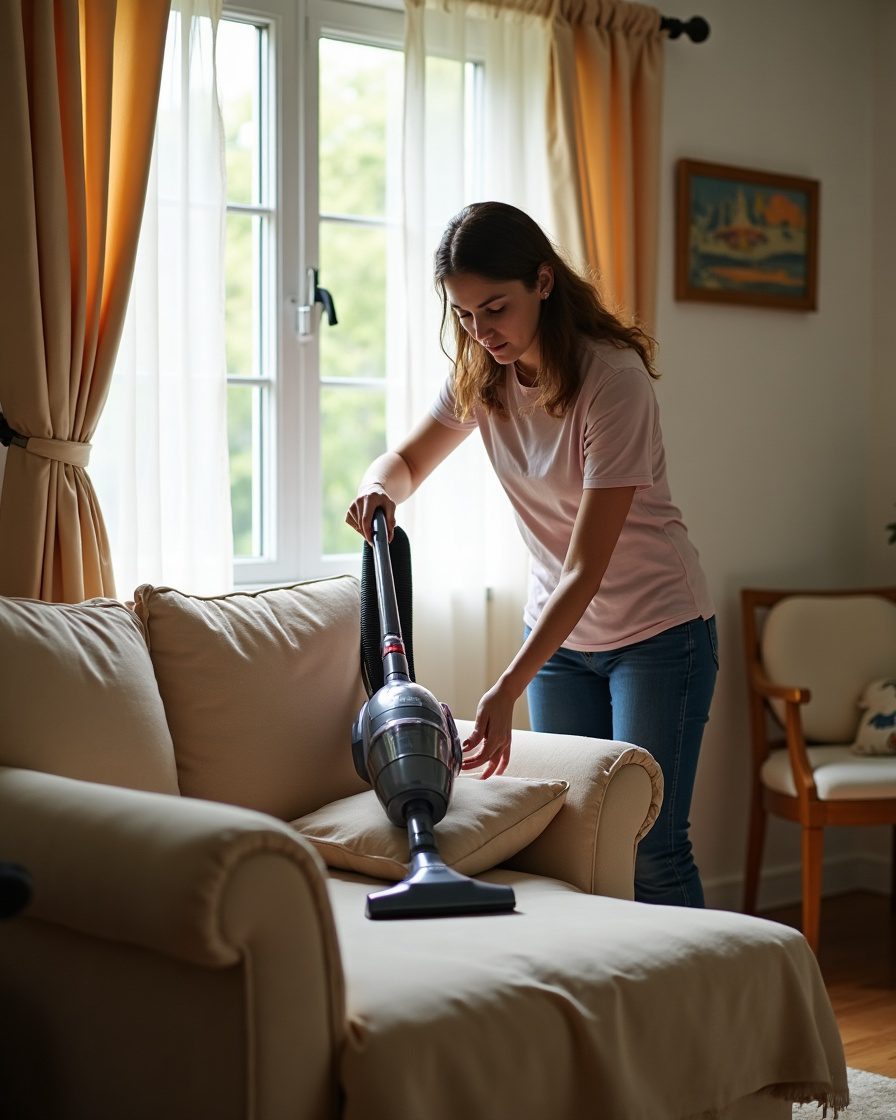
Put the effort where it works: heads, not houses
Since the environment mostly takes care of itself, the head is where your energy belongs. The standard first-line approach is an over-the-counter pediculicide based on permethrin 1 percent or pyrethrins, applied to the scalp and hair exactly as the label directs, with a repeat application on the label’s schedule to catch nymphs that hatch after the first round. Use one product at a time, and do not improvise on timing or quantity; the label is the dose.
The mechanical backbone of every successful effort is the fine-toothed nit comb. Comb damp hair section by section every 2 to 3 days for 2 to 3 weeks, because combing both clears what treatment missed and tells you whether the treatment worked. In some areas lice carry resistance to over-the-counter pyrethroids, the so-called super lice, and the honest reading of a correctly applied treatment that left live, active lice behind is not “clean harder” but “this population may be resistant.” Our primer on identifying and treating super lice explains how to tell resistance from re-infestation, and the full head lice removal guide walks the whole sequence in order.
Some situations belong with a clinician or pharmacist rather than the shampoo aisle: children under 2, anyone pregnant or nursing, a treatment that has failed twice, or a scalp showing signs of infection such as spreading redness, tenderness, oozing, or fever. For genuine treatment failures, a clinician can prescribe alternatives that work through different mechanisms. This article is information, not medical advice, and those judgment calls are exactly what clinicians are for.
Myths that make the fear bigger than the bug
A few persistent myths inflate a manageable nuisance into a house-wide emergency, and each falls to the same biology. Lice do not jump from couches or fly across classrooms; they crawl, full stop. Pets do not spread head lice; the parasite is strictly human, so the dog’s bed needs nothing from you. Clean hair offers no protection, since MedlinePlus is blunt that personal hygiene has nothing to do with getting head lice. And the home-remedy shelf, tea tree oil, coconut oil, mayonnaise under a shower cap, lacks solid evidence per independent testing and public-health guidance. If you are weighing those options anyway, read our honest review of natural lice remedies before spending the effort.
Common questions
Can I get lice from a couch or movie theater seat?
It is possible in a narrow window and unlikely in practice. A louse on upholstery is dying within 1 to 2 days, cannot jump onto you, and needs your head to contact its exact spot. Brief, upright seating is about the weakest transmission scenario there is.
How long can lice live on a hairbrush?
The same 1-to-2-day clock applies, but brushes deserve more caution because the next user’s head goes exactly where the lice and shed hairs are. Soak them in hot water for 5 to 10 minutes and keep them personal during an infestation.
Do I need to bag stuffed animals for two weeks?
Two weeks is the conservative outer bound built around egg viability, and it costs nothing, so it is reasonable for items in close contact with the affected child’s head. Crawling lice on everything else are gone within about 2 days on their own.
Can lice eggs hatch on pillows or furniture?
Eggs are glued to hairs and incubated by scalp warmth. A nit on a shed hair has lost that warmth, and even a nymph that managed to hatch would need to reach a scalp and feed almost immediately. Environmental nits are a footnote, not a threat.
Should I spray my house or fog the rooms?
No. Sprays and fogs add pesticide exposure to your home while targeting insects that die on their own within days. Laundry heat, a vacuum, and time do the same job cleanly.
Why does my child keep getting lice if I keep cleaning?
Because the house was probably never the source. Recurring cases usually trace to an untreated close contact, a missed repeat treatment, or resistant lice, all head-side problems. Re-check every household member before blaming the furniture again.
The bottom line
Head lice off the head are lice on a deadline. Adults die within 1 to 2 days without blood meals, they cannot jump or fly back to a host, and stray eggs need scalp warmth they no longer have. So wash and hot-dry the recent bedding, soak the brushes, vacuum where heads rested, bag the few non-washables, and close the cleaning chapter. Spend the energy you saved on the work that actually ends an infestation: treating the affected head per the label, combing on schedule for 2 to 3 weeks, and checking everyone else in the house. The house was never the problem. The heads are, and they are fixable.
This article is for information only and is not medical advice.