A large share of positive lice checks are not lice. Dandruff, hair casts, DEC plugs, hairspray residue and dried skin all sit on a hair shaft and look like a nit. The test that separates them takes two seconds: a real nit is cemented to the hair and will not slide or brush off, while everything else moves easily. And a nit alone does not mean an active infestation.
- Slides along the hair or brushes off: not a nit. Dandruff, product residue or a hair cast.
- Firmly glued, teardrop-shaped, close to the scalp: a nit, and worth a proper wet comb-through.
- The diagnosis is a live louse: nits far from the scalp are usually old and hatched.
InsectoGuide is reader-supported. As an Amazon Associate we earn from qualifying purchases at no extra cost to you.
This search usually happens in a bathroom with a torch and a worried parent, and the useful thing is not a gallery of magnified photographs. It is a single physical test and an understanding of what a nit actually is.
The slide test
Take the speck between finger and thumb, or between the teeth of a comb, and try to move it along the hair shaft.
It slides or lifts off: not a nit. Dandruff, dried scalp flakes, product build-up and dirt all sit loosely.
It stays put and needs to be pulled: a nit. The female louse cements each egg to the hair shaft with a glue that is genuinely difficult to remove, which is why nits survive normal washing and brushing.
The CDC’s guidance on head lice covers the biology, and Kentucky’s head lice factsheet covers the same ground from the entomology side. Our guide to what lice look like covers nits, nymphs and adults with the differences that matter.
The five things that are not lice
Dandruff is the most common. Irregular flakes, white or yellowish, sitting loose in the hair and often more visible on clothing. It brushes away. Our lice versus dandruff guide covers the comparison properly.
Hair casts are the most convincing impostor. They are cylindrical white sleeves that encircle the hair shaft completely, formed from the follicle’s inner root sheath. They look startlingly like nits, but they slide freely along the hair, which nits never do.
DEC plugs, or desquamated epithelial cells, are small waxy white plugs of sebum and skin cells at the hair base. They are harmless, common, and frequently the reason a school check comes back positive.
Product residue from dry shampoo, hairspray, gel or conditioner dries into small white specks attached to hair. It softens and disperses when rubbed between wet fingers.
Other insects entirely. Booklice, springtails and small beetles get found in hair occasionally and cause disproportionate alarm. None of them can live on a person. Our lice versus fleas guide covers the other common misattribution, and it is worth knowing that fleas do not live in human hair either.
Why a nit is not a diagnosis
This is the part that causes most of the unnecessary treatment. Nits are glued on and stay attached after they hatch, sometimes for months, because hair keeps growing and the empty shell travels out with it.
That gives a useful rule of thumb. Lice lay eggs close to the scalp, where the temperature suits incubation. So:
Nits within about a centimetre of the scalp may be viable and suggest a current infestation.
Nits further out along the hair are usually hatched or dead, and are a record of a past infestation rather than evidence of a present one.
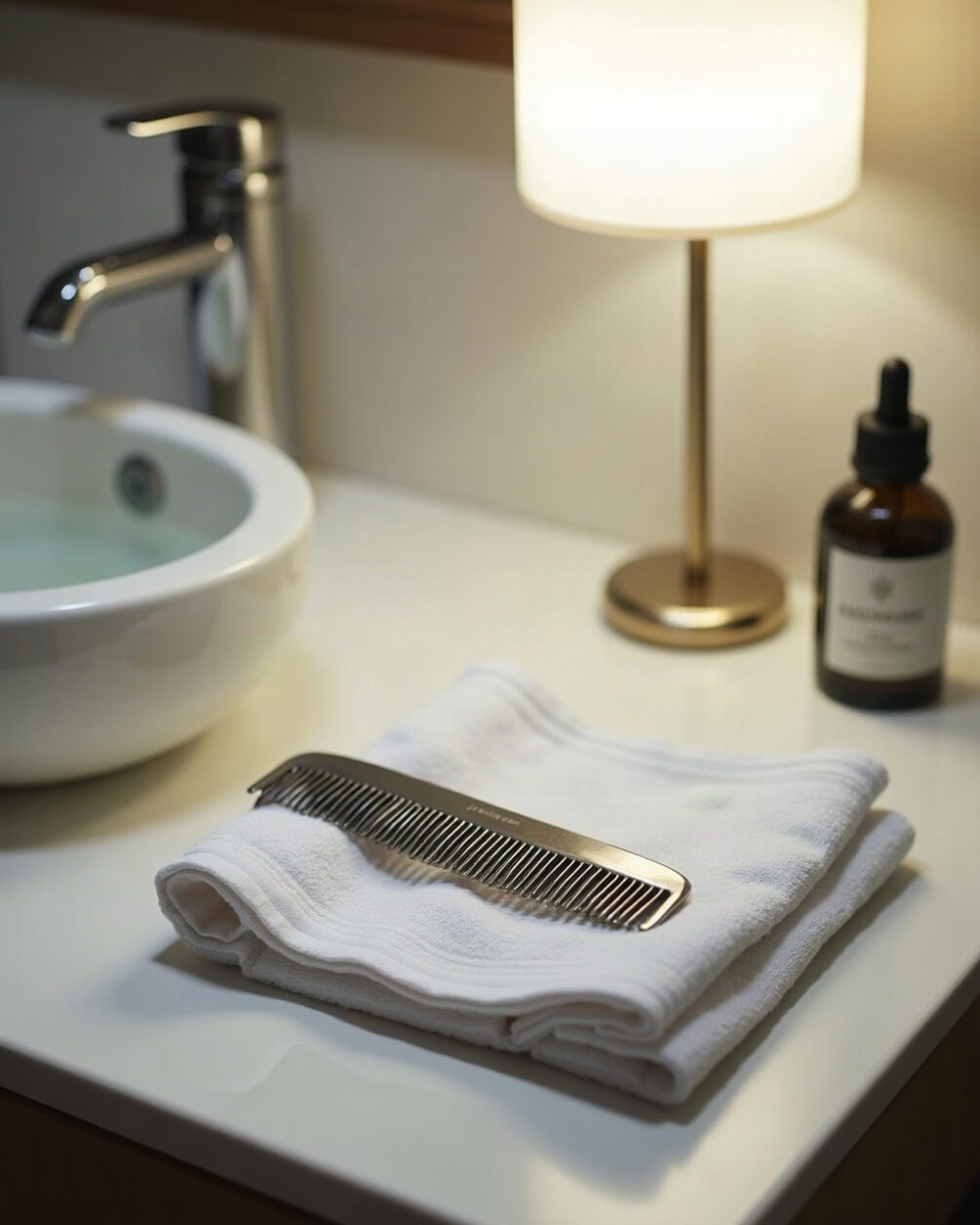
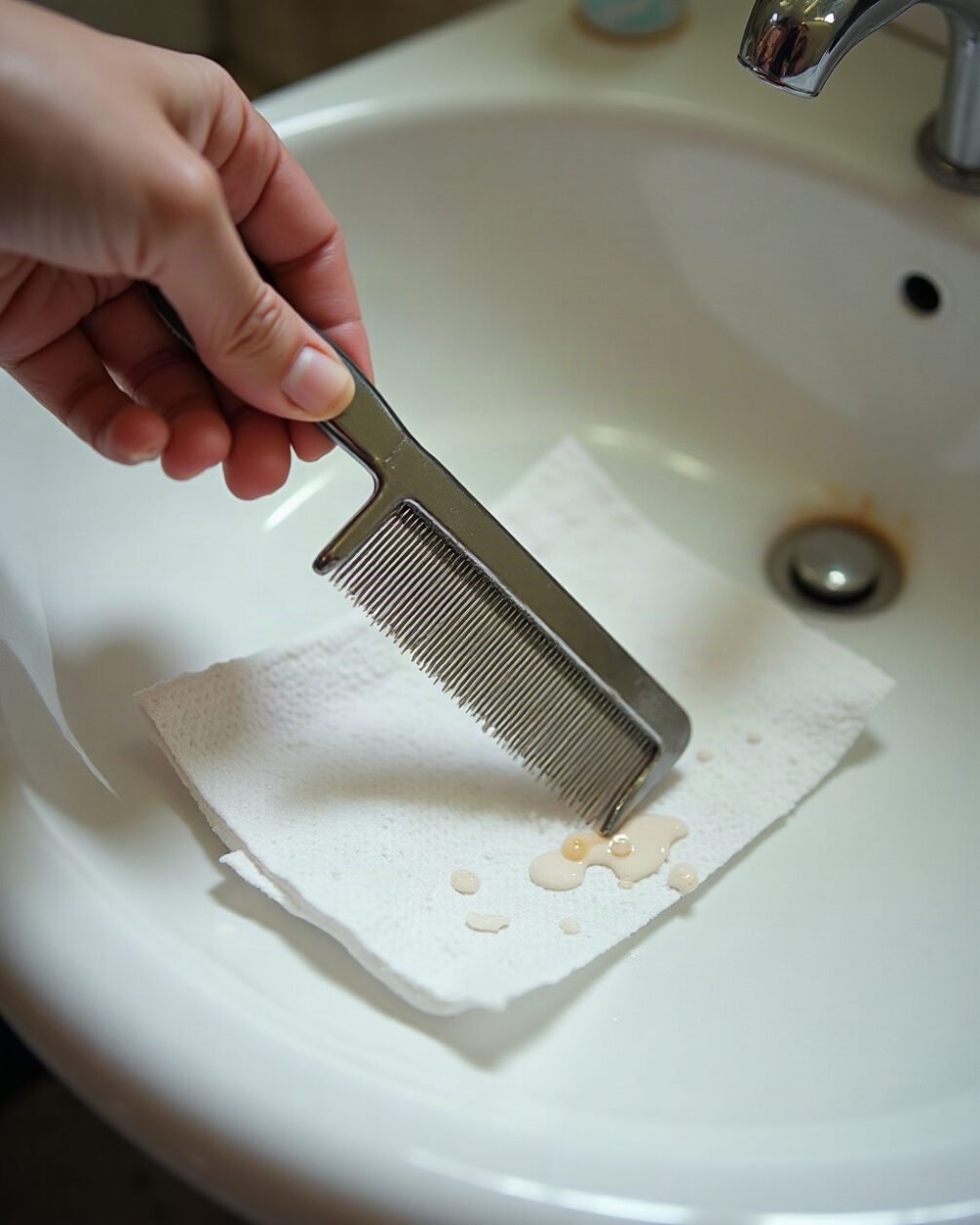
The actual diagnosis is finding a live louse, and the reliable way to do that is wet combing: conditioner through wet hair, then a fine-toothed lice comb worked systematically from scalp to tip, wiping onto a white paper towel after each pass. Our parent guide to checking for lice covers the technique, and the life cycle guide explains why the distance from the scalp matters.
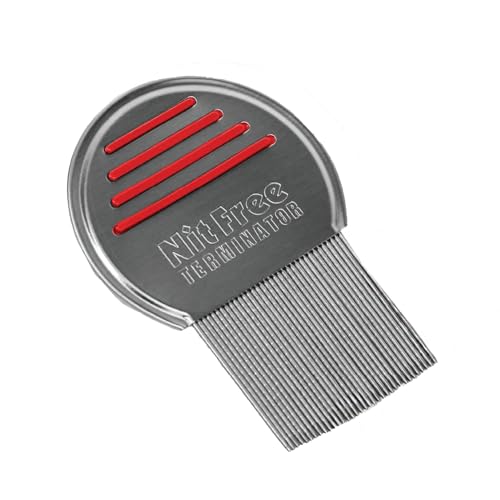
Teeth set close enough to strip nits rather than only adults, which is what turns a guess into an actual diagnosis.
What a real louse looks like
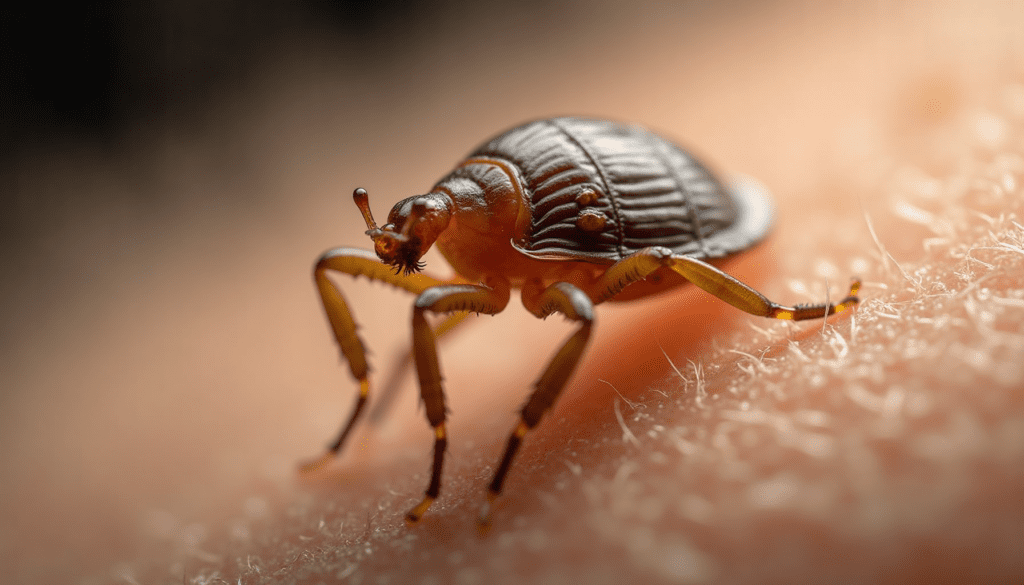
An adult head louse is two to three millimetres, roughly sesame seed sized, greyish white to tan, six-legged and wingless. It moves quickly and avoids light, which is why they are found by combing rather than by looking.
Nymphs are smaller versions of the adult and harder to see. Nits are oval, teardrop-shaped, tan to yellowish when viable and clearer once hatched, and firmly attached at an angle to one side of the hair shaft.
Two persistent myths are worth closing. Lice do not jump and do not fly. Transmission is almost entirely direct head to head contact, which our guide to whether lice jump or fly covers, along with what that means for how much cleaning is actually warranted. And how long lice survive off the head covers the other question that drives a lot of unnecessary laundry.

Before treating
Treatment is worth getting right rather than fast, and applying an insecticidal product to a child who does not have lice is worth avoiding.
Confirm a live louse first. Nits alone, particularly far from the scalp, are not sufficient grounds.
Check the whole household by wet combing, not just the child who was flagged.
Follow the product instructions exactly, including any repeat application, because timing is designed around the egg hatching cycle. Our removal guide covers the sequence, and the guide to resistant lice covers what to do when a standard treatment does not work, which is a real phenomenon rather than an excuse.
This article describes what things look like and is not medical advice. If you are unsure, or treatment is not working, a pharmacist or a school nurse can look properly.
Common questions
The school said nits, but I cannot find anything moving.
That is common and often correct. Many policies flag nits regardless of viability. Wet comb the whole head and look for a live louse before treating.
Can adults get head lice?
Yes, though less often, because transmission needs direct head contact and children have more of it.
Do I need to treat the house?
Far less than people think. Lice do not survive long away from a scalp. Washing bedding and recently worn hats at a hot temperature is proportionate. Our guide to cleaning after lice covers what is worth doing and what is not.
Final verdict
Try to slide it. If it moves, it is dandruff, a hair cast, a DEC plug or product residue, and no treatment is needed. If it is cemented in place, it is a nit, and the next question is how far from the scalp it sits, because distance separates a current infestation from an old one. Then confirm with a live louse found by wet combing before anyone applies anything, because most of the treatment that happens in this category is treatment nobody needed.