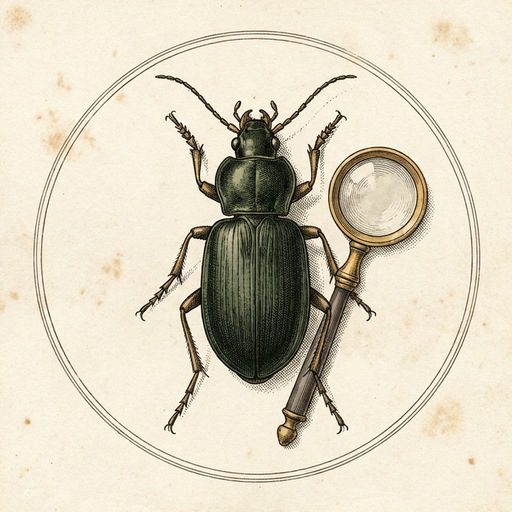
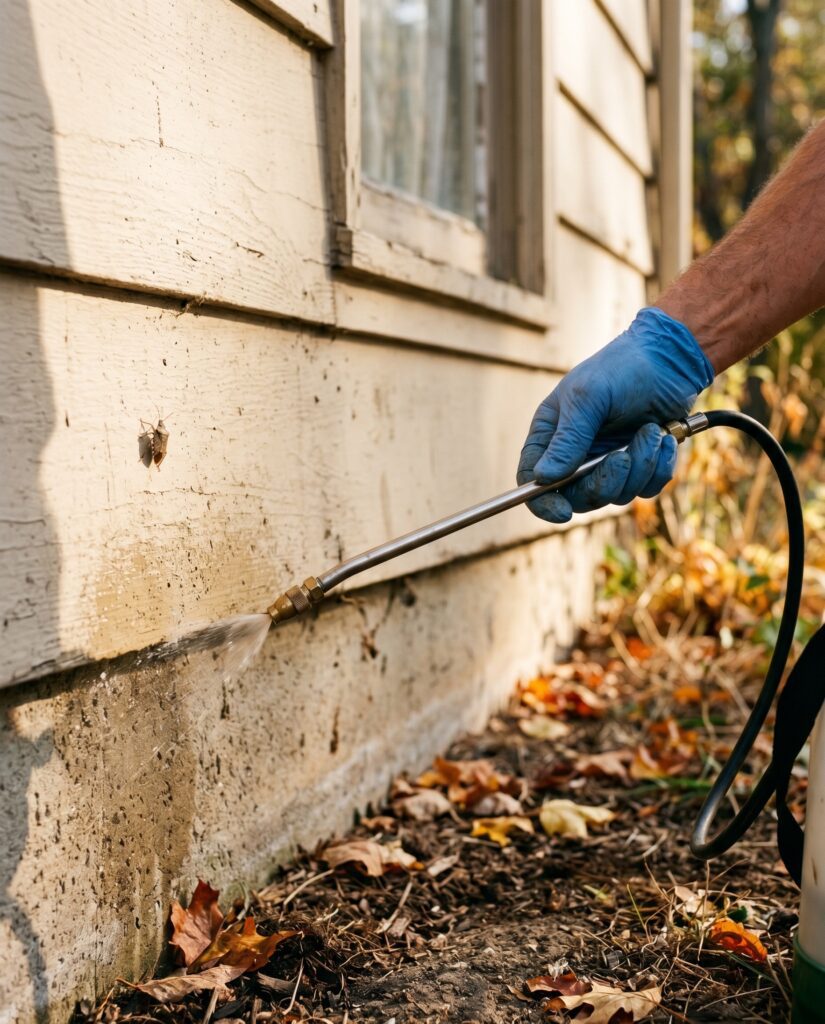
Four insects gather on sunny walls in autumn and they are all doing the same thing: warming up and looking for a gap to overwinter in. Boxelder bugs, brown marmorated stink bugs, cluster flies and Asian lady beetles. None of them damages the building or breeds indoors, and every one of them is a sealing problem rather than a spraying one.
- Black with red or orange markings: boxelder bugs, usually near a boxelder or maple.
- Shield-shaped, mottled brown: brown marmorated stink bug, which smells if crushed.
- Sluggish flies on the glass in autumn: cluster flies, whose larvae live in earthworms outdoors.
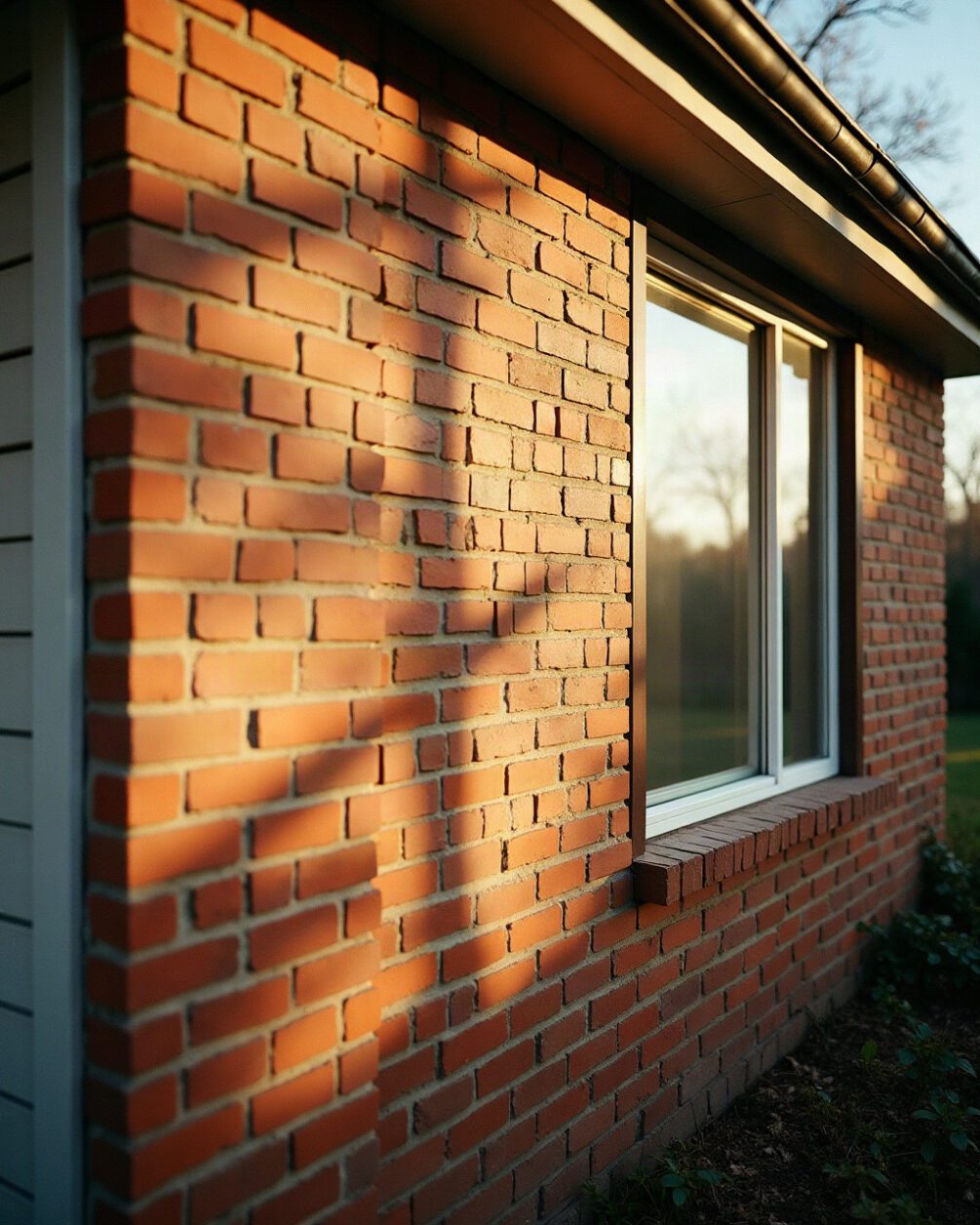
If they are on the south or west wall, in numbers, on the first warm afternoon after a cold snap in September or October, this is a seasonal event rather than an infestation. It happens on the same wall every year for the same reason.
Why that wall, and why now
These insects overwinter as adults, and they need somewhere sheltered and above freezing to do it. Warm masonry in autumn sun is a gathering point: it holds heat into the evening and it is where the cracks are.
The wall itself is not the target. It is a staging area. What they are actually looking for is a gap into the cavity, the soffit, the roof space or the frame of a window. Once inside they sit dormant, and the reason people meet them is that a warm day in January wakes a few up and they come out into the room instead of back outside.
That single fact decides the whole approach: sealing works and spraying does not, because the population is arriving from outside continuously and the ones that matter are already inside a cavity a spray cannot reach.
The four
Boxelder bugs are black with red or orange lines along the edges of the wings and a red abdomen, and the nymphs are bright red. They feed on boxelder, maple and ash, so a nearby tree is usually the explanation for why one house gets them and the neighbour does not. They do not bite, do not damage the house and do not breed indoors. Our boxelder bug guide covers them.
Brown marmorated stink bugs are shield-shaped, mottled brown, around 15 millimetres, with white bands on the antennae. They are agricultural pests outdoors and a nuisance indoors, and the defensive smell when crushed or vacuumed is the reason most people learn their name. Our identification guide covers them.
Cluster flies are larger and slower than house flies, with golden hairs on the thorax, and they gather in lofts and wall cavities in large numbers. Their larvae are parasites of earthworms, so they have no connection to hygiene indoors at all, which is a useful thing to know when they appear in a clean house. Our cluster fly guide covers them and How to Get Rid of Cluster Flies covers the January wake-ups.
Asian lady beetles look like ladybirds but vary from orange to red, often with an M-shaped mark behind the head. They gather in far larger numbers than native ladybirds, can nip, and stain surfaces with a yellow defensive fluid. Our autumn invader identification guide compares all four side by side, which is the fastest way to settle which one you have.
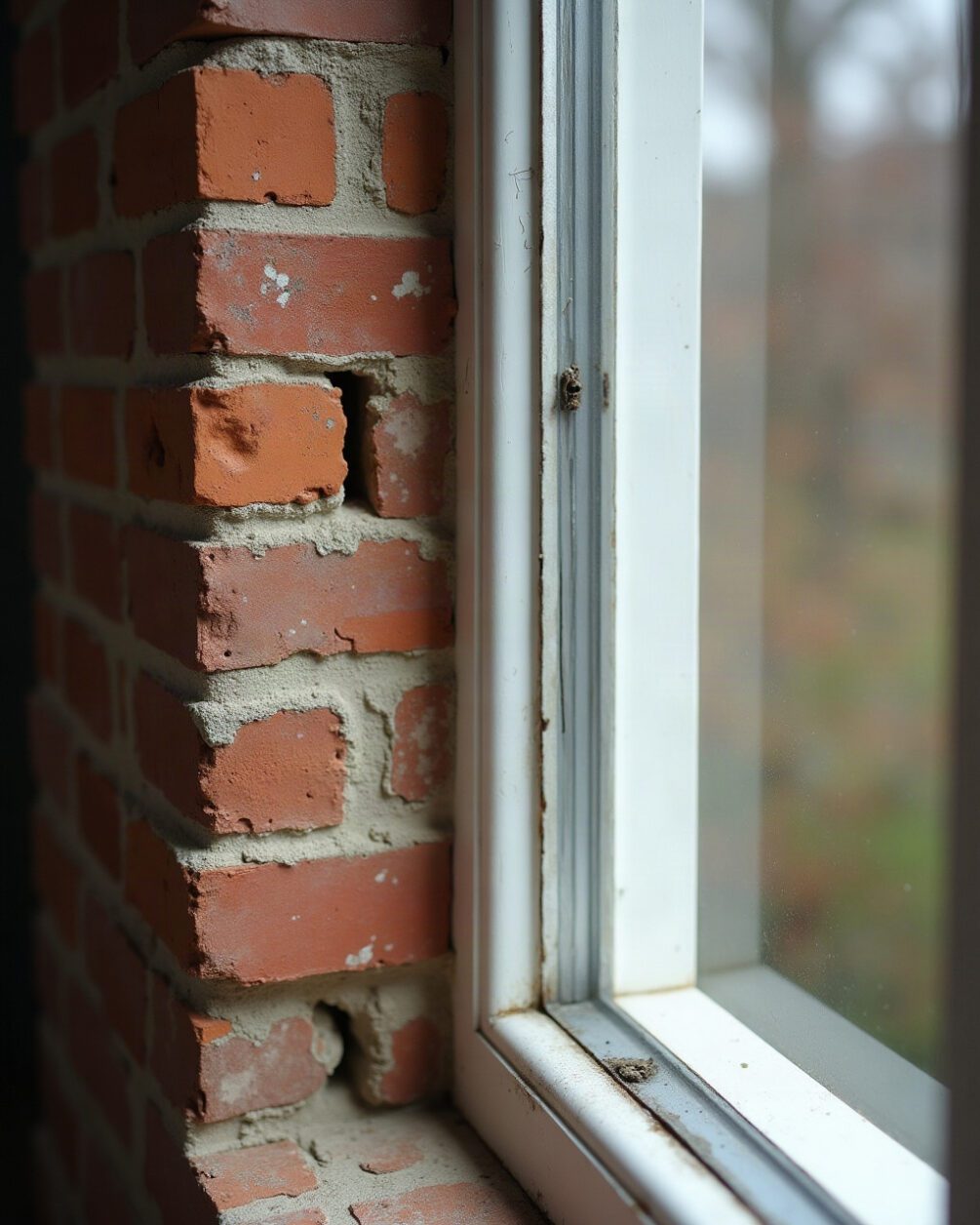
The sealing work, in priority order
This is worth doing once, properly, in late summer before the gathering starts. Doing it in October means sealing some of them inside.
Windows and doors. Perished sealant around frames, gaps under thresholds, and worn weatherstripping. This is where most of them get in and it is the cheapest to fix.
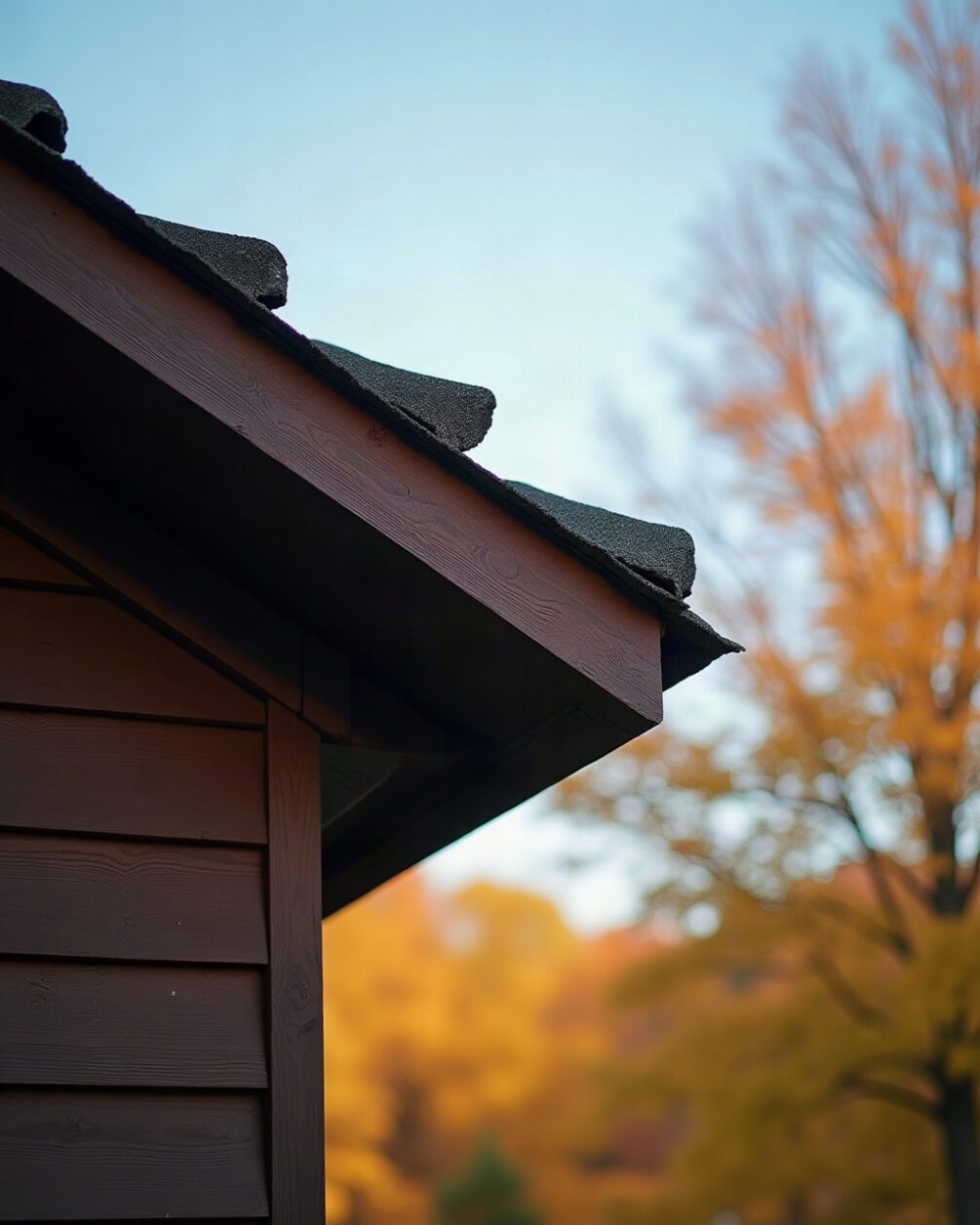
Soffits, fascias and eaves. Gaps where boards meet, and the joint between the fascia and the wall. Cluster flies and lady beetles particularly use these.
Vents. Bathroom and kitchen extract outlets, dryer vents, and airbricks. Fit insect mesh rather than blocking them, because they need to keep working.
Service penetrations. Where pipes, cables and air conditioning lines pass through the wall. These are almost always oversized and open.
Utility gaps and the roofline. Where the roof meets the wall at a gable, and the gaps around a chimney flashing.
What to do about the ones already inside
Vacuum them. It is the most effective and least unpleasant method, and it avoids the smell that crushing a stink bug produces. Empty the vacuum outside afterwards.
Do not spray inside the cavity. Insecticide applied into a wall or loft space kills insects that then sit there, and Kentucky’s note about beetles associated with damp conditions points at the follow-on problem: a mass of dead insects in a cavity becomes food for carpet beetles and other scavengers, which then move into the rooms below. Kentucky notes those larvae feed on animal products, and dead insects qualify. Solving a seasonal nuisance by creating a permanent fabric pest problem is a poor trade.
Accept the winter stragglers. A few waking on warm days is normal and does not mean the sealing failed. It means some were already in before you sealed.
What this is not
Not termites. Termite swarmers appear in spring, have four equal-length wings, and shed them in piles indoors. Our flying ants versus termites guide covers the check, and it is worth doing because that one matters.
Not bed bugs or fleas. Neither gathers on exterior walls.
Not a sign the house is dirty. Cluster flies in particular have nothing to do with hygiene, and telling people so is worth more than any product.
Common questions
Why my house and not next door?
Usually a host tree for boxelder bugs, or simply the aspect: the wall that gets late afternoon sun collects them. Colour helps too, since lighter walls warm and reflect differently.
They came back the next autumn.
Expected. Sealing reduces how many get in, not how many arrive. The population outdoors is unchanged.
Should I spray the wall in autumn?
A barrier treatment on the exterior can reduce numbers if applied before they gather, and it is a short-lived measure that needs repeating annually. Sealing is permanent and does more. If you do both, seal first.
Final verdict
A sunny wall covered in insects on a warm autumn afternoon is a seasonal gathering, not an infestation, and the wall is a staging post rather than the destination. Work out which of the four you have, then spend the effort on gaps: window sealant, soffit joints, vents with mesh, and the holes where pipes pass through. Vacuum the ones that got in, resist spraying into cavities, and do the sealing in late summer rather than the middle of the event.