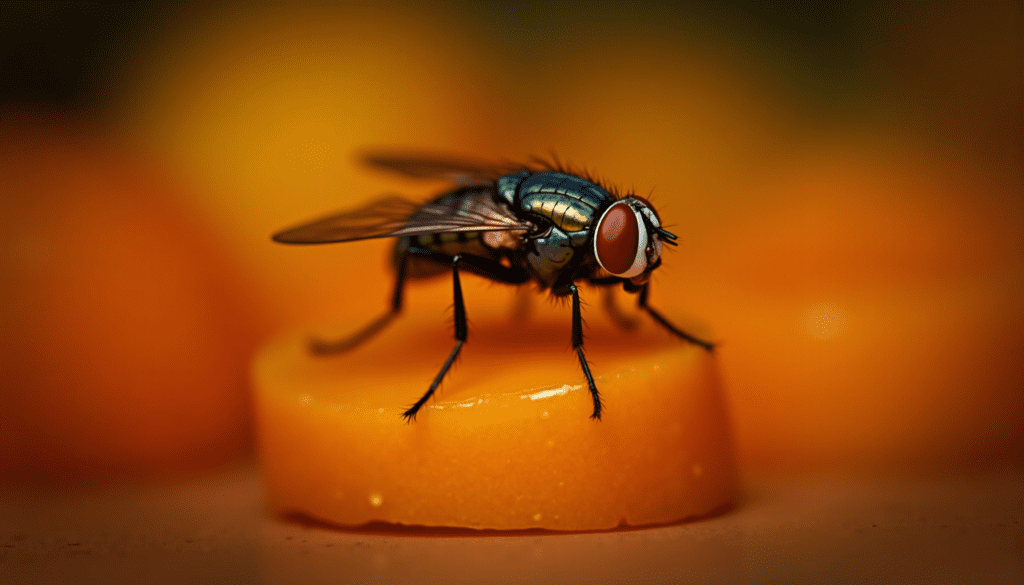
House flies keep showing up because they have two things you can control – an easy way in and a nearby food or breeding source. To get rid of house flies, you will get the fastest results by (1) removing attractants like trash, dirty dishes, pet waste, and drain residue, (2) blocking entry with screens and door sweeps, and (3) knocking down the adults you see with traps or targeted sprays. The trick is timing: adult control feels satisfying, but sanitation and exclusion are what stop the next wave from hatching.
Bottom line: House fly control works when you remove the food source, block entry, and use the right traps in the right places.
- Use sticky or window traps indoors for visible adults.
- Place baited outdoor traps away from doors and seating.
- Fix trash, pet waste, screens, and door gaps so new flies stop entering.
Quick answer
To get rid of house flies quickly, do these steps in order:
- Remove attractants today: seal food, rinse dishes, empty trash, clean pet areas.
- Find the breeding spot: trash can slime, compost, pet waste, damp organic debris, or gunk in/near drains.
- Trap the adults: hang sticky strips near hotspots; use a baited trap away from food areas.
- Block entry: repair screens, add weatherstripping, keep doors closed.
- Escalate if needed: use a labeled indoor fly spray for quick knockdown, or call a pro for recurring outbreaks.
Mini checklist (10 minutes):
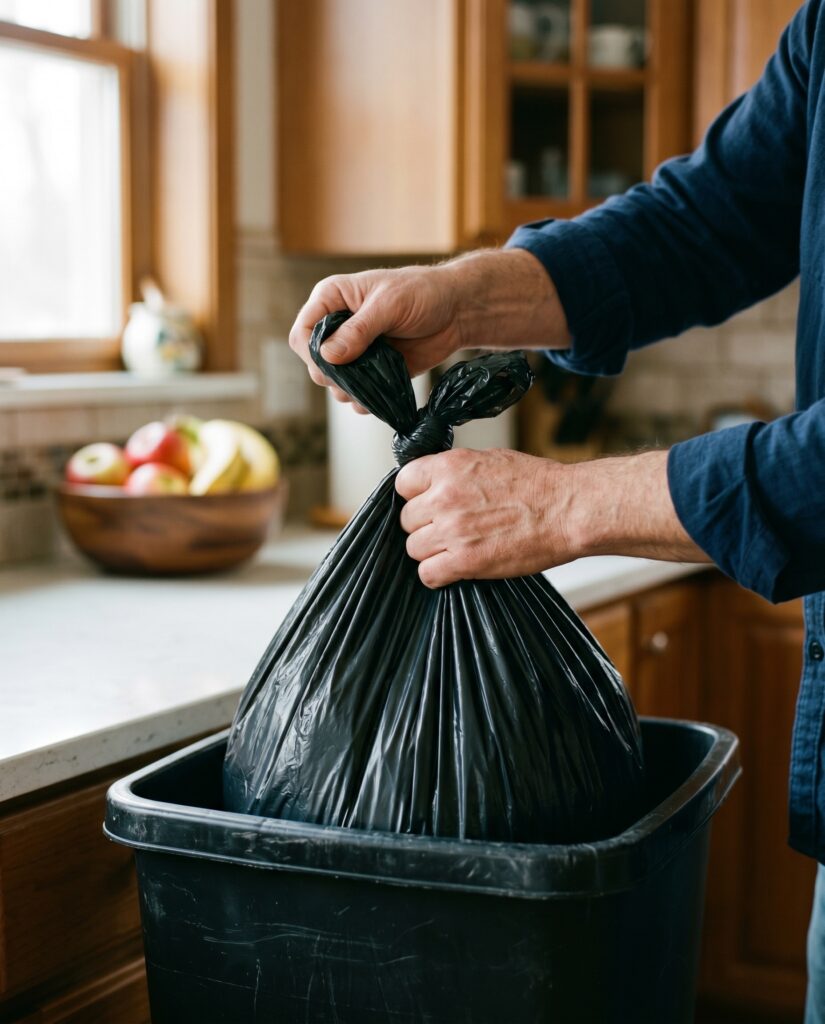
- Take trash out + rinse the bin
- Wipe counters and mop sticky floors
- Check windows/screens for gaps
- Put up 1-2 sticky traps near the problem room
Why flies keep coming back
If you’re seeing house flies day after day, it’s rarely “random.” It usually means there’s a dependable resource nearby, and the flies are simply doing what they evolved to do: locate moist organic material, feed, and reproduce.
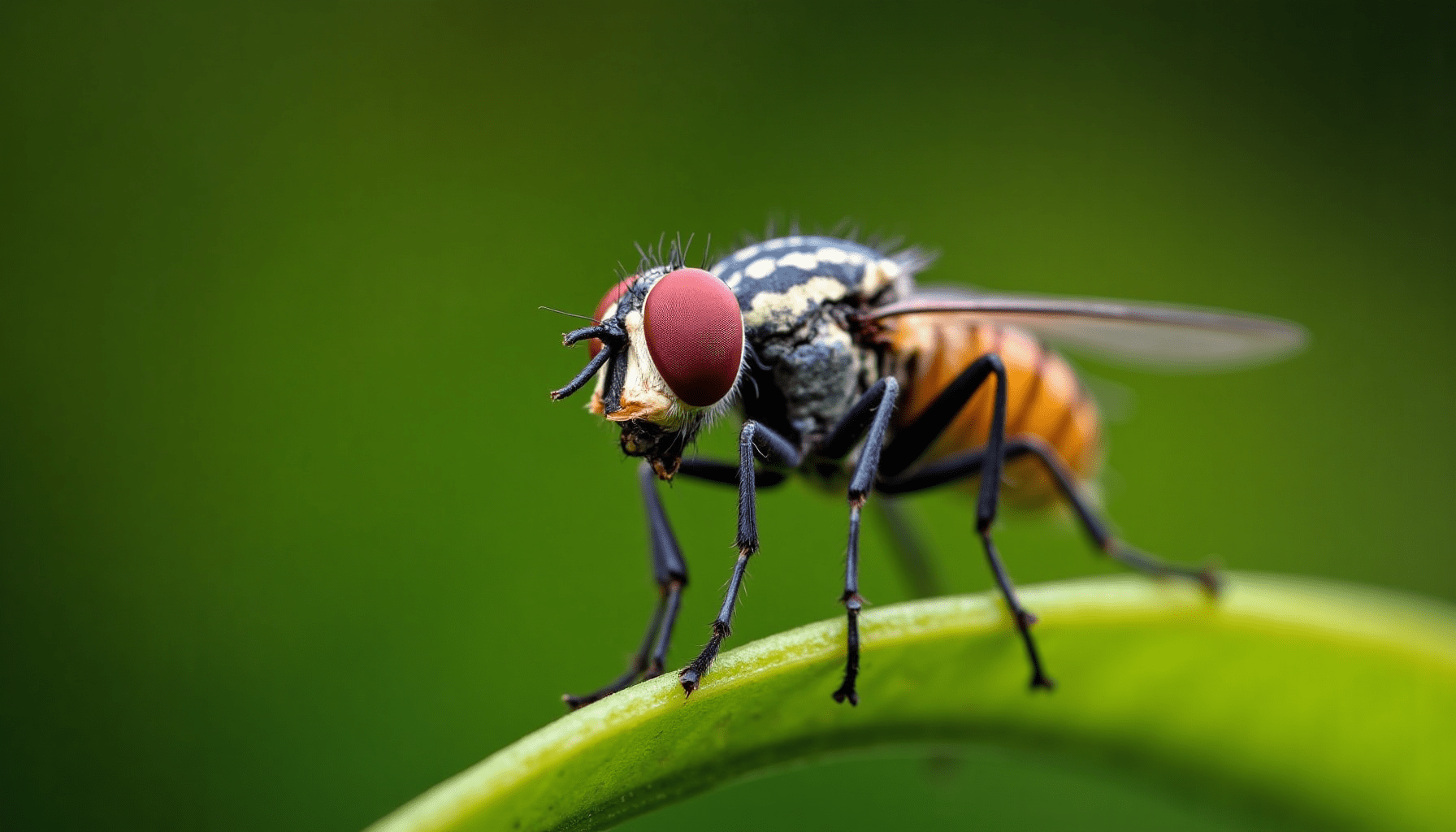
The common house fly is Musca domestica. Adults are typically about 6-7 mm long (roughly 1/4 inch) with a gray thorax and darker stripes. They’re strong fliers, active in bright daylight, and they rest on walls, ceilings, and sunny windows when indoors.
The two drivers: source + access
Think of a fly problem like a leaky faucet and an open door:
- The faucet (breeding/food source): garbage, rotting food, pet waste, compost, damp organic debris, and residue in or around drains.
- The door (entry points): torn screens, gaps around doors/windows, and propped-open doors.
Consumer guidance consistently points to sanitation and exclusion as the foundation of control. For example, practical recommendations from the Home Depot fly control guide and the Healthline fly prevention overview emphasize removing attractants first, then sealing entry points.
Why warm weather makes it worse
House fly development speeds up in warm conditions, and populations can surge when breeding material is available. A scientific review on house fly management notes that integrated approaches are needed because fly numbers can rise quickly when sources remain in place, especially in favorable environments like warm, moist organic matter. See the review in the National Library of Medicine (PMC).
Where to look first (fast visual scan)
Use this “top 8” checklist to find the real cause:
- Trash can (especially bag leaks and residue at the bottom)
- Recycling bin (beer/soda residue)
- Compost pail or bin
- Pet feeding area (wet food, spilled kibble)
- Litter box area and pet waste in yard
- Under/behind fridge and stove (spills, grease, crumbs)
- Sink strainers and the “rim” of the drain
- Window/door gaps and damaged screens
Actionable takeaway: If you remove the breeding material and block entry, traps suddenly start working much better because you’re not fighting a constant refill.
Get rid of house flies fast
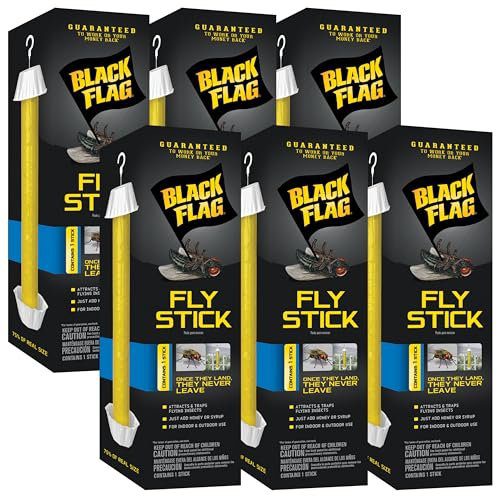
These fly sticks are a non-toxic way to trap house flies, making them suitable for households with pets and children.
- Very effective at catching large numbers of flies and other small flying insects, often within hours of being hung up
- Easy to set up and dispose of, with a built‑in hook and simple instructions
- Can be used both indoors and outdoors and works even better when baited with honey, syrup, or food scraps
- Extremely sticky adhesive can be messy if accidentally touched or if pets/objects brush against it
- Some users report inconsistent performance depending on placement, bait used, or local insect activity
When someone says, “I need them gone today,” the goal is to reduce adult flies immediately while you cut off the next generation. Do both, in that order, and you’ll feel the difference within hours.
Step-by-step: the 60-minute reset
Here’s a practical sequence that works in most homes:
-
Put food away (5 minutes)
- Refrigerate fruit.
- Seal leftovers.
- Store pet food in a container with a tight lid.
-
Trash and recycling (10 minutes)
- Take bags outside.
- Rinse sticky cans and bottles.
- If the bin smells, rinse and dry it.
-
Wipe and rinse (15 minutes)
- Clean counters, stove top, and table edges.
- Rinse sink strainers.
- Don’t forget the “splash zone” around the sink.
-
Trap the adults (10 minutes)
- Place traps where flies already gather (often windows).
- Keep baited traps away from food prep areas.
-
Close the house (10 minutes)
- Shut windows without screens.
- Fix obvious gaps temporarily (even painter’s tape helps until repairs).
-
Targeted knockdown (optional, 10 minutes)
- If needed, use a labeled indoor aerosol for flying insects, following the label exactly.
- Ventilate well and keep sprays away from kids, pets, and food-contact surfaces.
Best “right now” tools (simple comparison cards)
-
Sticky traps
- Best for: quick reduction and monitoring
- Watch out: place out of reach of kids/pets
- Next step: hang near windows, trash area, or entry door
Related guide: Best Fly Paper and Sticky Traps
-
Electric swatter
- Best for: one-off flies you can see
- Watch out: doesn’t solve the source
- Next step: use at dusk near windows where flies rest
Related guide: Best Electric Fly Swatters
-
Baited traps (indoor-safe types)
- Best for: heavier indoor activity
- Watch out: some baits smell, place strategically
- Next step: position near fly activity but away from food
Related guide: Best Fly Traps for Indoor and Outdoor Use
Actionable takeaway: If you only do one thing today, do the trash reset and add sticky traps. It removes the “buffet” and catches the flyers you see.
Prevention that actually works
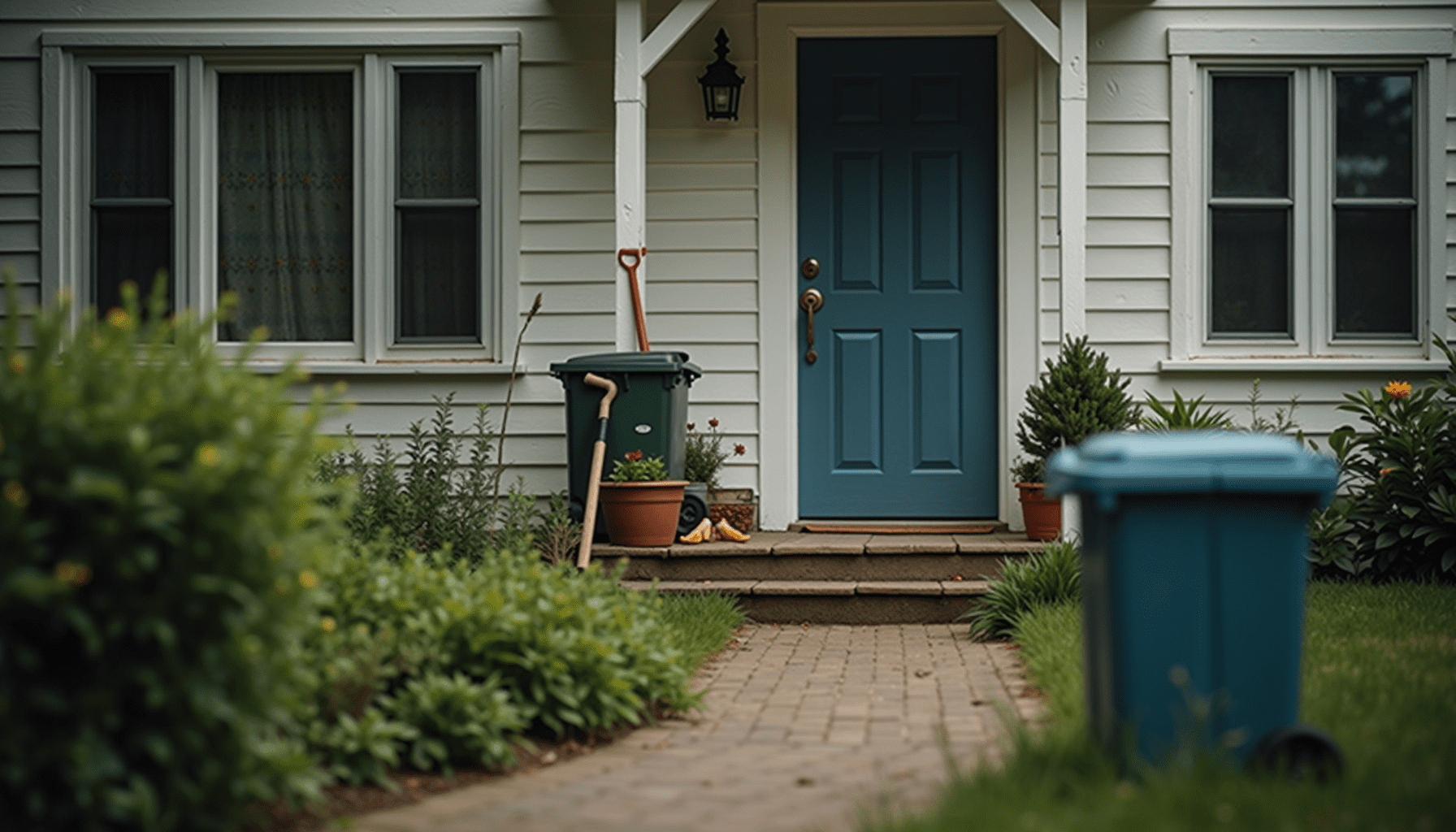
Preventing house flies is mostly about making your home boring to a fly. That means fewer odors, fewer moist breeding spots, and fewer easy entry points. This is where most fly problems are won or lost.
Kitchen and dining prevention
House flies are attracted to odors, moisture, and residue. Your kitchen doesn’t need to be “dirty” to attract them – it just needs to offer consistent traces of food.
Do these habits for a noticeable drop in activity:
- Wipe counters nightly, including the edges where crumbs collect.
- Rinse recyclables before they go into the bin.
- Run the garbage out more often in warm months.
- Keep fruit refrigerated if flies are a repeat issue.
- Use tight-lid trash cans and keep them clean.
Visual: nightly 2-minute fly-proof routine
- Put food away
- Rinse sink strainer
- Wipe counters
- Take out anything smelly (trash, compost, recycling)
Entry-point control (the overlooked fix)
If you’re trapping flies but still seeing new ones daily, assume you have an entry issue.
Check and fix:
- Window screens (small tears matter)
- Door sweeps (light visible under the door = gap)
- Weatherstripping around doors
- Gaps where pipes/cables enter the home
Quick test: At night, turn indoor lights on and walk outside. Look for light leaking around doors and windows.
Drain and moisture management
Not every “kitchen fly” is a house fly, but dirty drains can attract multiple fly types and create steady odor cues. The Home Depot fly guide specifically highlights drains and wet residue as common problem areas.
Practical drain hygiene:
- Scrub the drain rim and underside of the strainer
- Flush with hot water after cleaning
- Fix slow drains and leaks that keep areas damp
If you suspect drain-associated flies, use a targeted approach: Top Drain Fly Treatments and Gel Cleaners
Actionable takeaway: Prevention works best when it’s routine. A 2-minute nightly reset beats a big weekend clean, because it removes attractants before flies find them.
DIY traps and natural methods
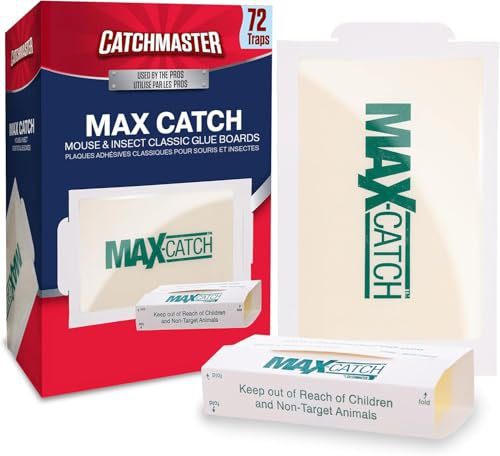
These sticky traps are ideal for capturing adult house flies, helping to reduce their numbers in the home effectively.
- Very sticky, heavy-duty glue that effectively captures mice and a wide range of crawling insects without additional bait
- Can be laid flat or folded into a tunnel, making placement flexible and helping keep dust and debris off the glue
- Pesticide-free and non-toxic design that many users feel is safer for indoor use around people and pets (when placed out of reach)
- Some users find it inhumane because pests remain alive and stuck, requiring them to deal with disposal
- Extremely strong adhesive can make it difficult or messy to handle, and can stick to pets or unintended items if not carefully placed
DIY methods can reduce adult flies, especially when you’ve already removed the main attractants. The key is to treat these as “pressure reducers,” not magic solutions.
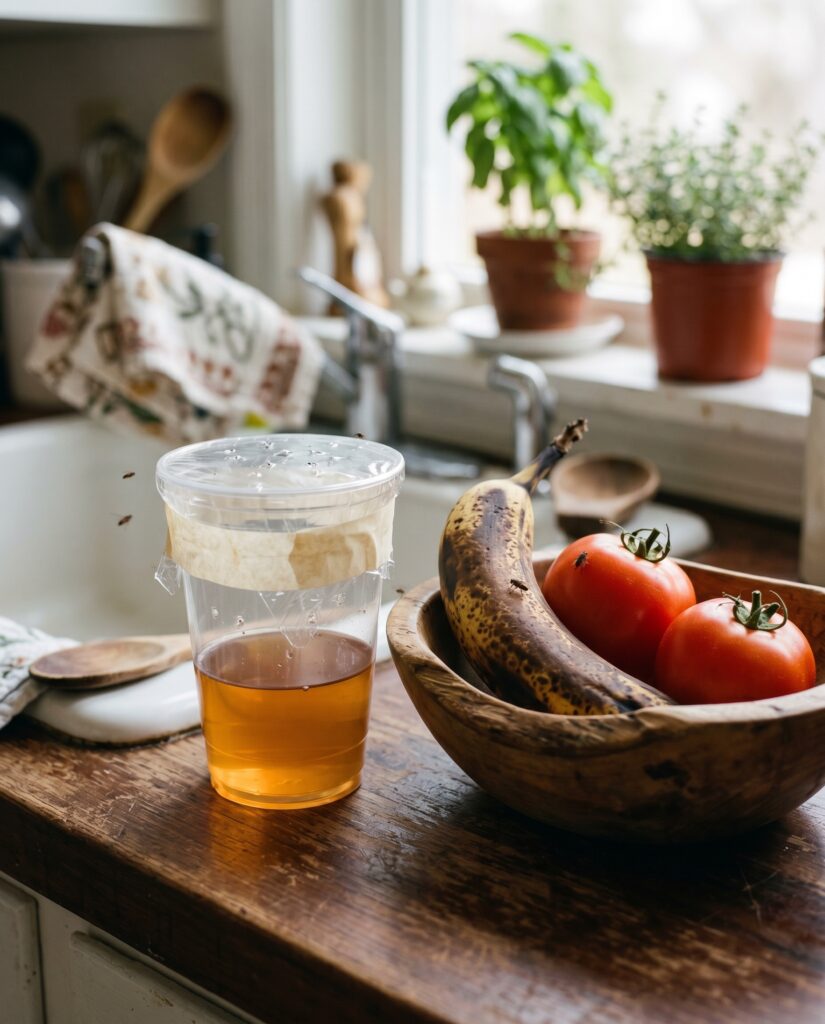
Vinegar + dish soap trap (best for small numbers)
This trap is popular because it’s simple:
- Add vinegar to a glass or jar.
- Add a few drops of dish soap.
- Place it near fly activity (often near a window or trash area).
The vinegar provides an odor cue; the soap reduces surface tension so insects can’t stand on the liquid. Guides like the Healthline fly control article and renter-focused practical advice from TenantCloud’s house fly tips include vinegar traps as a low-risk option.
Tip: Apple cider vinegar can work well for fruit flies and sometimes catches house flies too, but it’s usually not enough for a true house fly surge.
Bottle funnel trap (better for heavier activity)
A simple funnel trap can catch more flies than an open cup:
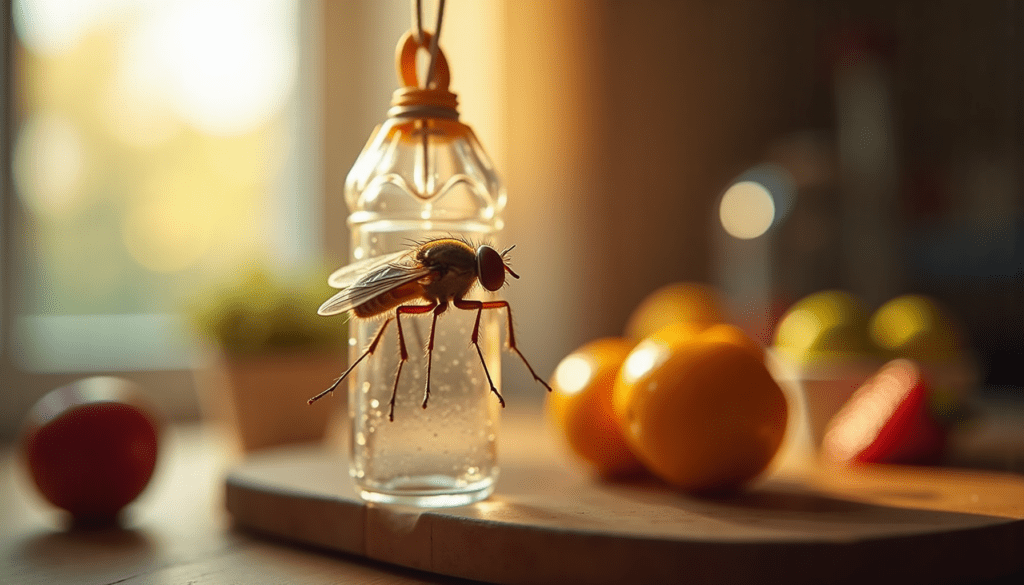
- Cut the top third off a plastic bottle.
- Invert the top as a funnel into the bottom.
- Add bait (sugar water, a small piece of fruit, or a bit of leftover meat for outdoor use).
- Tape the seam.
Placement matters:
- Put it near the problem area, but not right next to your food prep space.
- If it smells, move it outdoors.
Sticky strips (simple, effective, and underrated)
Sticky traps are one of the most reliable non-spray tools for indoor adult flies.
Where to hang:
- Near windows (flies head toward light)
- Near trash or recycling
- Near doors that open frequently
For trap selection and placement ideas, see Best Fly Paper and Sticky Traps.
Do herbs and plants repel flies?
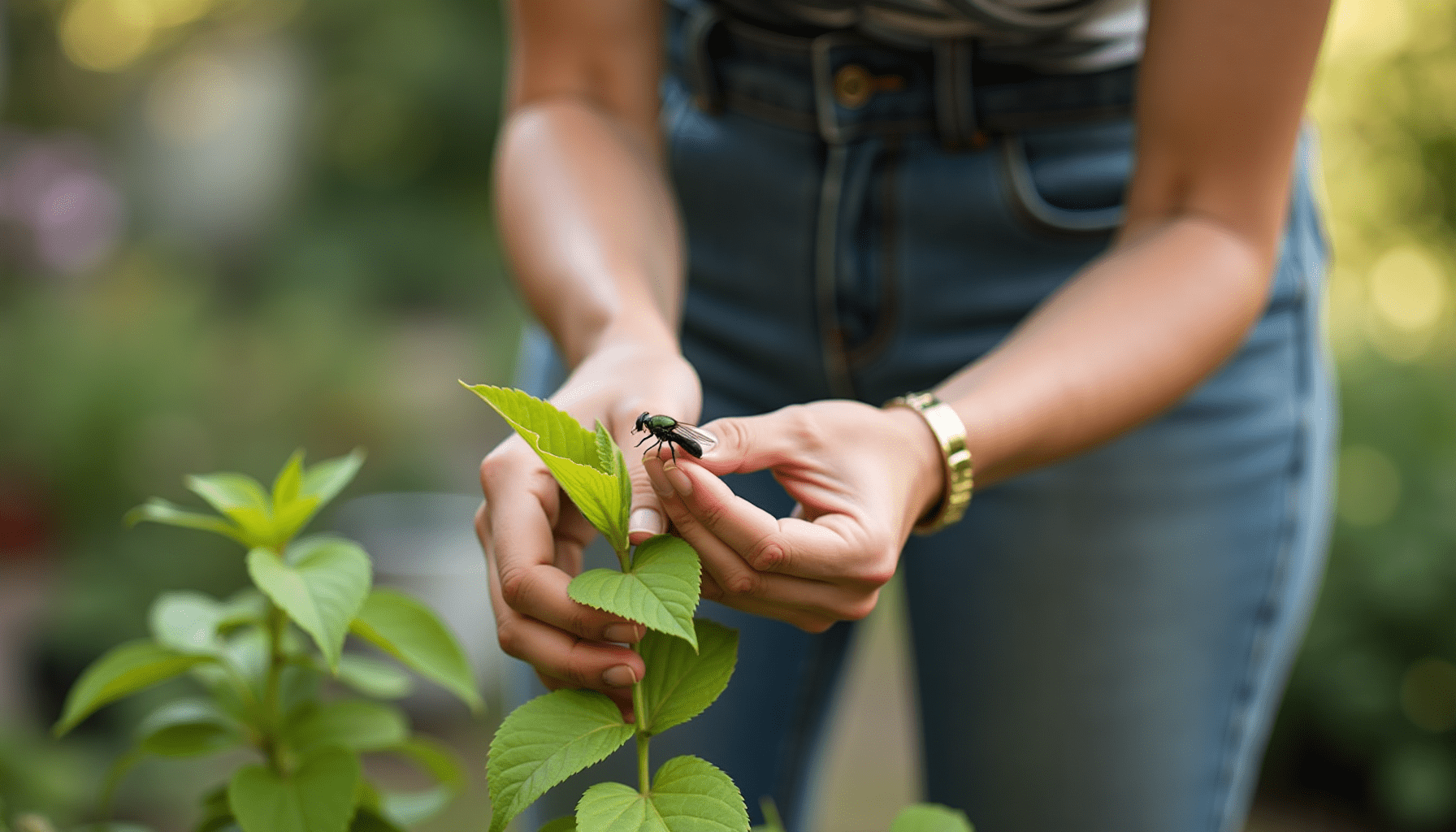
Some people use basil, mint, lavender, or marigolds near doors and windows. These may help a little as deterrents, but they won’t solve an active infestation. Use them as a supporting tactic after sanitation and exclusion.
Visual: natural method “yes/no” guide
- Yes: sticky traps, vinegar traps, sanitation, screens
- Sometimes: herbs near entry points
- No (alone): “repellent only” approaches without cleaning
Actionable takeaway: DIY traps work best after you remove the breeding source. Otherwise, you’re just catching the overflow.
Outdoor control and when to use sprays
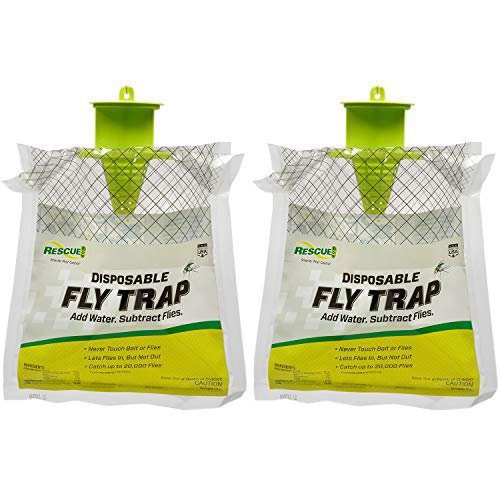
A baited outdoor fly bag is useful for pulling adult house flies away from patios, trash areas, livestock spaces, and doorways when placed away from people.
- Good for heavy outdoor house fly pressure.
- Baited bag pulls flies away from seating and entry doors.
- Disposable design avoids cleaning a messy reusable trap.
- Strong odor means it should stay away from patios and doors.
- Not appropriate for indoor use.
Many indoor house flies originate outdoors. If you only treat inside, you can end up in a loop where new flies replace the ones you catch. Outdoor management breaks that cycle.
Outdoor hotspots that produce flies
Walk your property like a fly would. Look for moist organic material and strong odors:
- Compost piles and food-scrap bins
- Dog runs and pet waste areas
- Garbage storage area (especially in heat)
- Mulch piles, grass clippings, leaf litter
- Animal manure (farms, hobby coops, nearby stables)
If you find the source, you’ve found the solution. Move compost farther from doors and windows, keep lids tight, and keep the area dry and clean.
For outdoor trap options that won’t ruin a cookout, see Best Outdoor Fly Traps for Patios and BBQs.
If you use insecticides, use them strategically
Sprays can help with immediate relief, but they should be secondary to sanitation and exclusion. A scientific review of house fly control notes that insecticides are widely used, but emphasizes integrated methods and alternatives where possible, especially because reliance on chemicals alone can backfire over time. See the peer-reviewed review in the National Library of Medicine (PMC).
Practical guidance if you choose a product:
- Use only products labeled for flies and for the location (indoor vs outdoor).
- Follow label directions exactly – the label is the law.
- Consider targeted outdoor residual treatments around entry points if flies are coming in from outside.
- Avoid spraying near food, dishes, and food-contact surfaces.
When to call a professional
Consider professional pest control if:
- Flies return within 24-48 hours after cleaning and trapping
- You suspect a hidden breeding site (crawlspace, wall void, trash chute, attic)
- You have a recurring issue tied to livestock, manure, or commercial waste
- The number of flies suggests a nearby heavy source you can’t access
Actionable takeaway: Outdoor cleanup plus one well-placed outdoor trap often reduces indoor flies more than any indoor spray.
Common mistakes and myths
A few persistent myths keep people stuck in the same fly problem all summer. Fix these, and your results improve fast.
Myth: “Fly spray will solve it”
Sprays kill exposed adults, but they don’t remove eggs, larvae, or the material they’re breeding in. That’s why sanitation is the base layer in most reputable guidance, including the Healthline fly control overview and the Home Depot fly guide.
Myth: “A few flies isn’t a problem”
A few flies indoors can be the early sign of:
- a small entry gap
- a trash or recycling odor issue
- pet waste outside
- a hidden spill under an appliance
Because house flies reproduce quickly when conditions are right, early action saves effort later.
Myth: “Only dirty houses get flies”
Clean homes get flies too. One torn screen, a week of hot weather, and a little residue in the recycling can be enough.
Mistake: treating the wrong fly
House flies are not the same as fruit flies or drain flies. If your “house fly” problem is mostly tiny flies around sinks, you may be dealing with drain-associated species. In that case, focus on drain cleaning and targeted products like those covered in Top Drain Fly Treatments and Gel Cleaners.
Visual: quick ID clues
- House flies: medium-sized, loud buzz, rest on walls/windows
- Fruit flies: tiny, hover near fruit/alcohol
- Drain flies: tiny, fuzzy-looking, cling near drains
Actionable takeaway: Correct identification prevents wasted effort. If traps aren’t working, reassess the source and the species.
Conclusion
To get control of house flies, focus on the sequence that works: remove attractants, find and eliminate breeding spots, block entry points, then use traps for the adults you see. When you combine sanitation with exclusion, fly numbers usually drop quickly and stay down.
Next step: add one monitoring tool and one prevention fix today. Start with Best Fly Paper and Sticky Traps for immediate capture, then upgrade your setup with Best Fly Traps for Indoor and Outdoor Use to prevent the next wave.
As an Amazon Associate, I earn from qualifying purchases. Product recommendations are based on real reviews and independent research.