Translucent usually describes a life stage rather than a species. Newly hatched insects and freshly moulted ones are pale and see-through until their cuticle hardens. That matters, because it means what you are looking at was probably born nearby, and a young stage is stronger evidence of breeding than an adult is.
- Pale, oval, flat, near a bed: a bed bug nymph, which is the one to rule out properly.
- Pale, soft, on damp plaster or paper: booklice, harmless and a humidity reading.
- Pale green and clustered on a plant stem: aphids, a plant problem rather than a house one.
Most insects are not transparent, so translucency is unusual enough to be informative. It comes from two situations, and both point at youth: an insect that has just hatched, and one that has just moulted and has not yet darkened.
That is the useful reframing. A pale insect is often a young one, and a young one usually means something is breeding within a short distance. An adult can have walked in from anywhere.
Bed bug nymphs, the one to settle first
Newly hatched bed bugs are about a millimetre, pale to almost translucent, and become visible mainly after feeding, when the abdomen shows red inside. They darken and enlarge through five moults.
Kentucky describes adults as brownish, oval and flattened, hiding in seams and crevices near where people sleep. The nymphs are in the same places and harder to see.
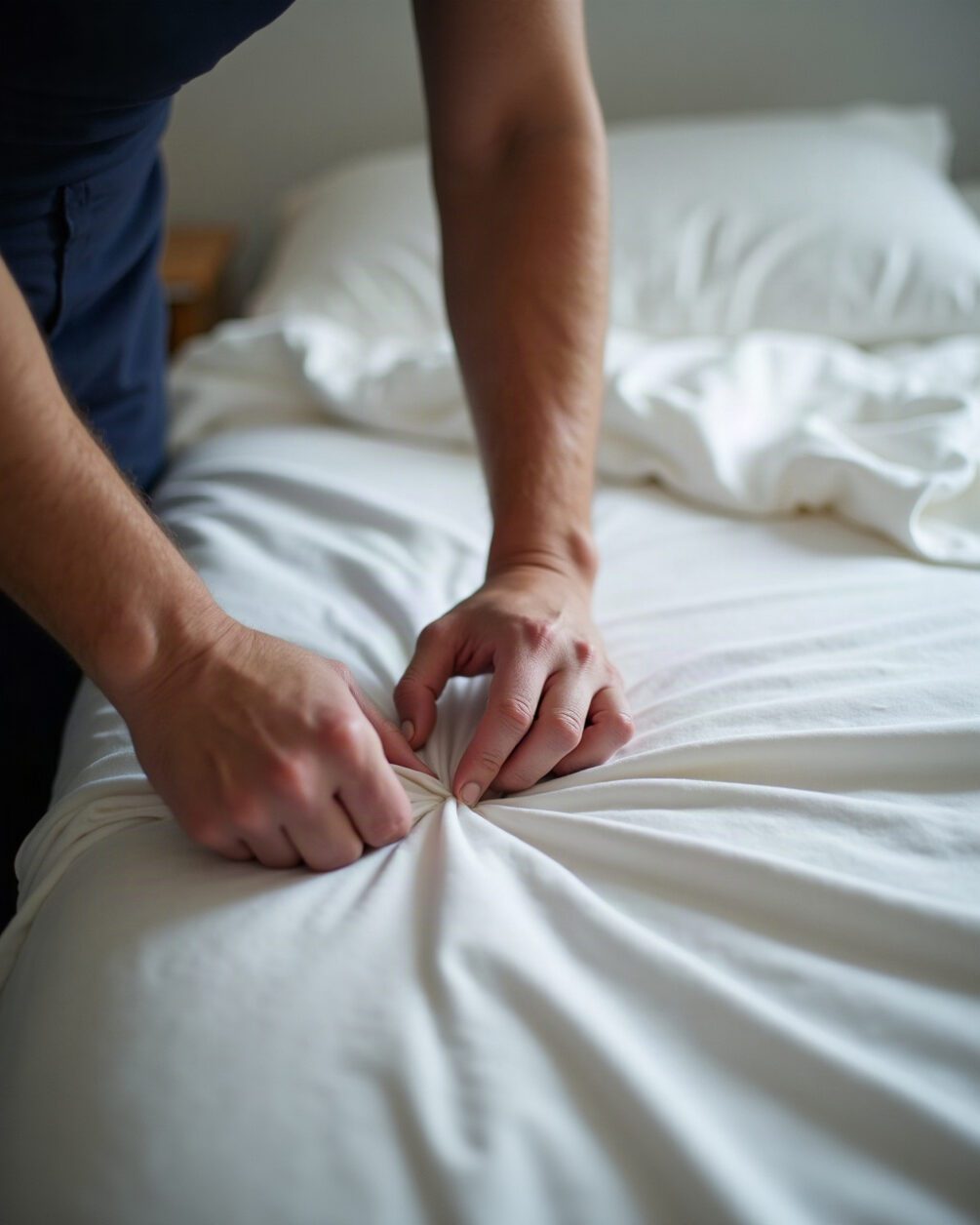
This is worth ten minutes with a torch precisely because a nymph, unlike an adult, means eggs are hatching in the room. Check the mattress piping, the frame joints and screw holes, and the back of the headboard, looking for dark spotting and shed tan skins rather than for insects. Our inspection guide covers the search, and the look-alike guide covers what else it might be.
If the seams are clean, our bedroom identification guide covers what a bedroom otherwise holds.
Booklice and springtails, the damp pair
Both are common, both are pale enough to read as translucent, and both are harmless.
Booklice are under two millimetres, pale grey to almost clear, soft-bodied and slow. They live on damp paper, plaster, wallpaper paste and the surface of packaging in humid cupboards, feeding on microscopic mould. Despite the name they cannot live on a person.
Springtails are similar in size and jump when disturbed, which is the separating behaviour. Penn State describes them feeding on mould, algae and decaying plant material in moist conditions.
Neither bites, neither damages a building, and both disappear when surface humidity comes down. A new build or a recently repaired room filling with them is a drying building rather than an infestation. Our guide to tiny white bugs covers the pair properly.
Aphids and mealybugs, if it is on a plant
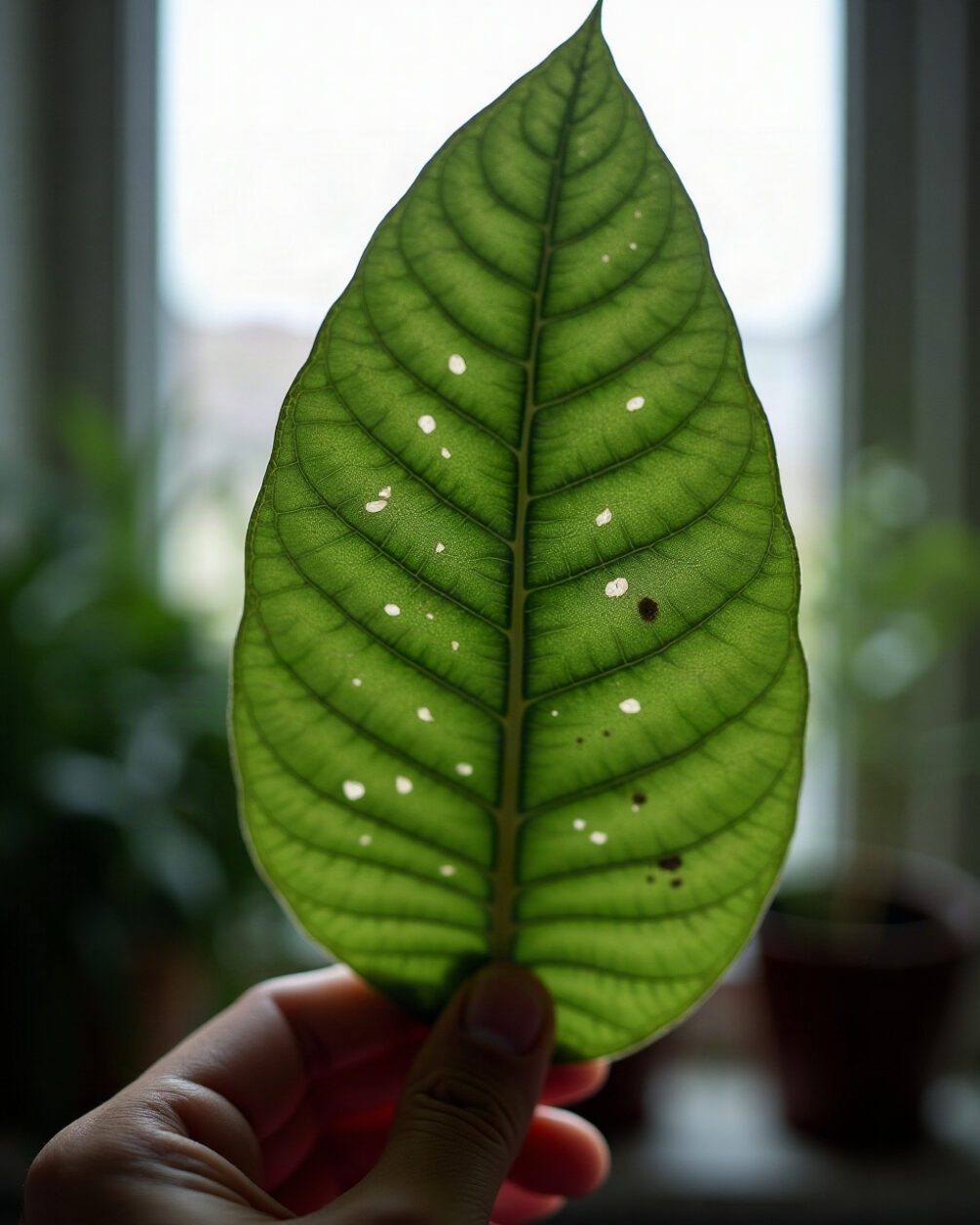
Aphids are one to three millimetres, soft, pear-shaped, and often pale green or almost clear on new growth. They cluster on stems, buds and the undersides of leaves, and they leave a sticky residue called honeydew that makes leaves shine. Our aphid guide covers control.
Mealybugs look like small tufts of white cotton wool in leaf joints, which is waxy coating rather than translucency, but they get described the same way. Our mealybug guide covers them.
If the pale things are in the compost rather than on the plant, they are more likely springtails or fungus gnat larvae, and our houseplant soil guide separates the harmless decomposers from the two that damage roots.
Freshly moulted insects, which look like nothing you can name
This catches people out and is worth knowing about. Immediately after moulting, many insects are pale, soft and translucent for a few hours before the new cuticle hardens and darkens.
A freshly moulted cockroach nymph is white and looks nothing like a cockroach. A freshly moulted spider is pale. A freshly moulted beetle larva is nearly colourless.
So an unidentifiable pale insect may be a familiar one caught at the wrong moment. If it is found near evidence of something else, the evidence is more reliable than the colour. Our guide to reading specks covers the evidence that persists.
The shed skins, which are not insects at all
A great many translucent finds turn out to be empty. Insects that moult leave the previous shell behind, holding the shape of the animal, and those husks are often more numerous and easier to find than the live population.
Bed bug skins are apple-pip shaped and appear alongside dark spotting. Cockroach skins are pale and papery in the same crevices as the droppings. Carpet beetle larval skins are bristly husks along carpet edges and in wardrobes.
Under a phone camera in macro mode a skin is obviously hollow, with no legs in position and no internal structure. That distinction matters: skins tell you a population is growing, but they are evidence rather than the thing itself.
What it is not
Not dust mites. Kentucky is clear that house dust mites are microscopic and do not bite. Anything you can see is not one, and if the real problem is waking congested rather than bitten, our dust mite allergy guide is the right page.
Not clear worms. Small pale worm-like things in a bathroom are usually drain fly larvae, and our bathroom guide covers them.
Common questions
It is see-through and I cannot see any legs.
Then it may be a shed skin, or an insect too small to resolve without magnification. A phone in macro mode against white paper answers both.
Does pale mean it is young?
Usually, and that is the reason to take it slightly more seriously than an adult. An adult can have walked in. A nymph almost certainly hatched nearby.
They are all over the windowsill in a brand new house.
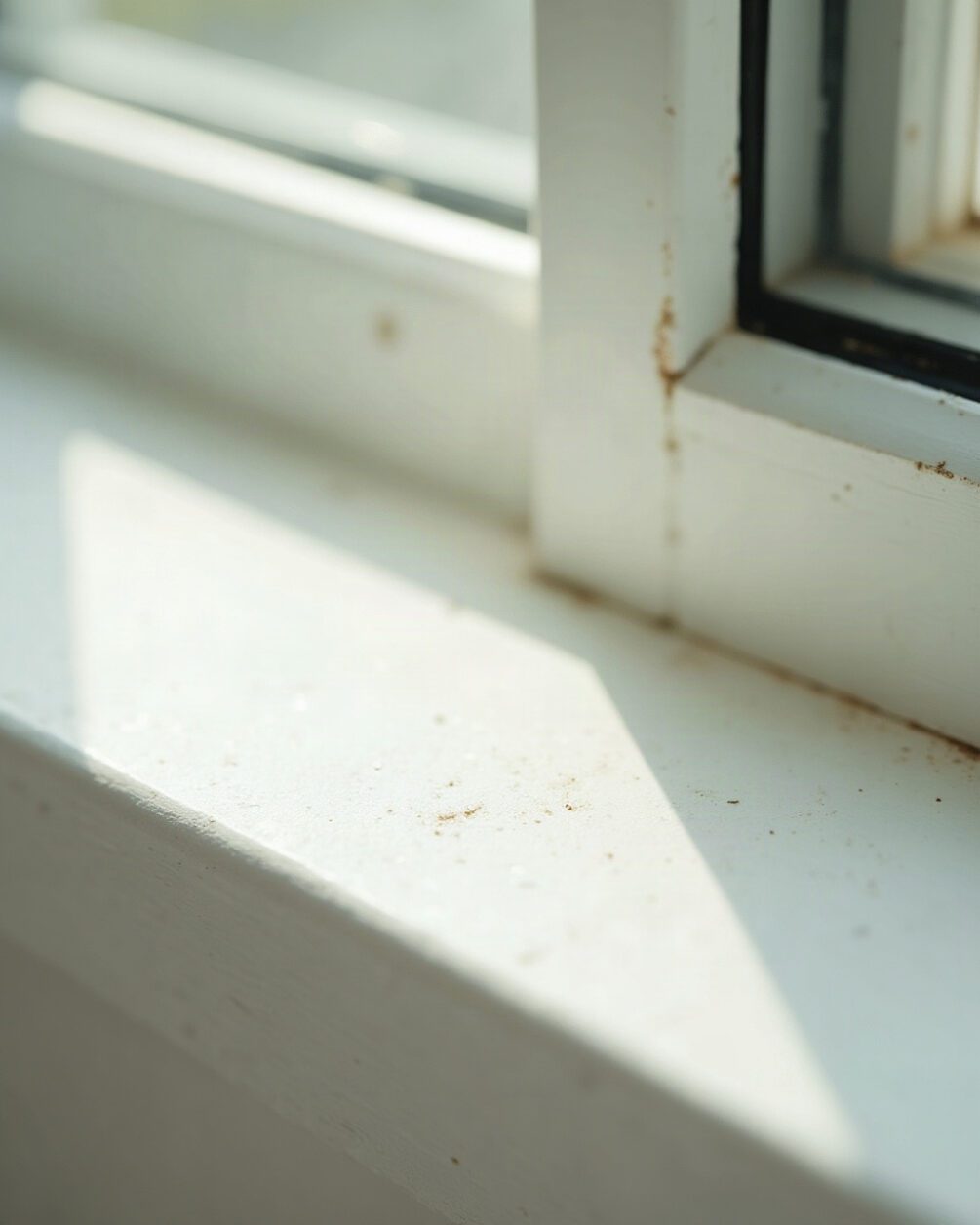
Booklice in a drying building, almost certainly. Ventilate and run heating; they go when the plaster does.
Final verdict
Read translucency as youth rather than as a species. Pale and flat near a bed means a bed bug nymph and a proper seam inspection, because a nymph implies eggs. Pale and soft on damp plaster means booklice and a humidity problem. Pale and jumping means springtails and the same. Pale green and clustered on a stem means aphids and a plant to treat. And a pale thing with no legs in position is a shed skin, which is evidence rather than an insect.