Settle the bed bug question first, because it is the only one that changes what you do next, and it takes ten minutes with a torch. If the seams are clean, the realistic list is short: carpet beetle larvae in wool and stored clothes, booklice on damp plaster, clothes moth larvae in a wardrobe, and spiders that came for all of the above.
- No dark spotting on the mattress seams: very probably not bed bugs, whatever the insect looked like.
- Bristly and slow, near wool or under furniture: carpet beetle larvae, which do not bite.
- Pale, slow, on a cold external wall: booklice, and the finding is damp rather than an infestation.
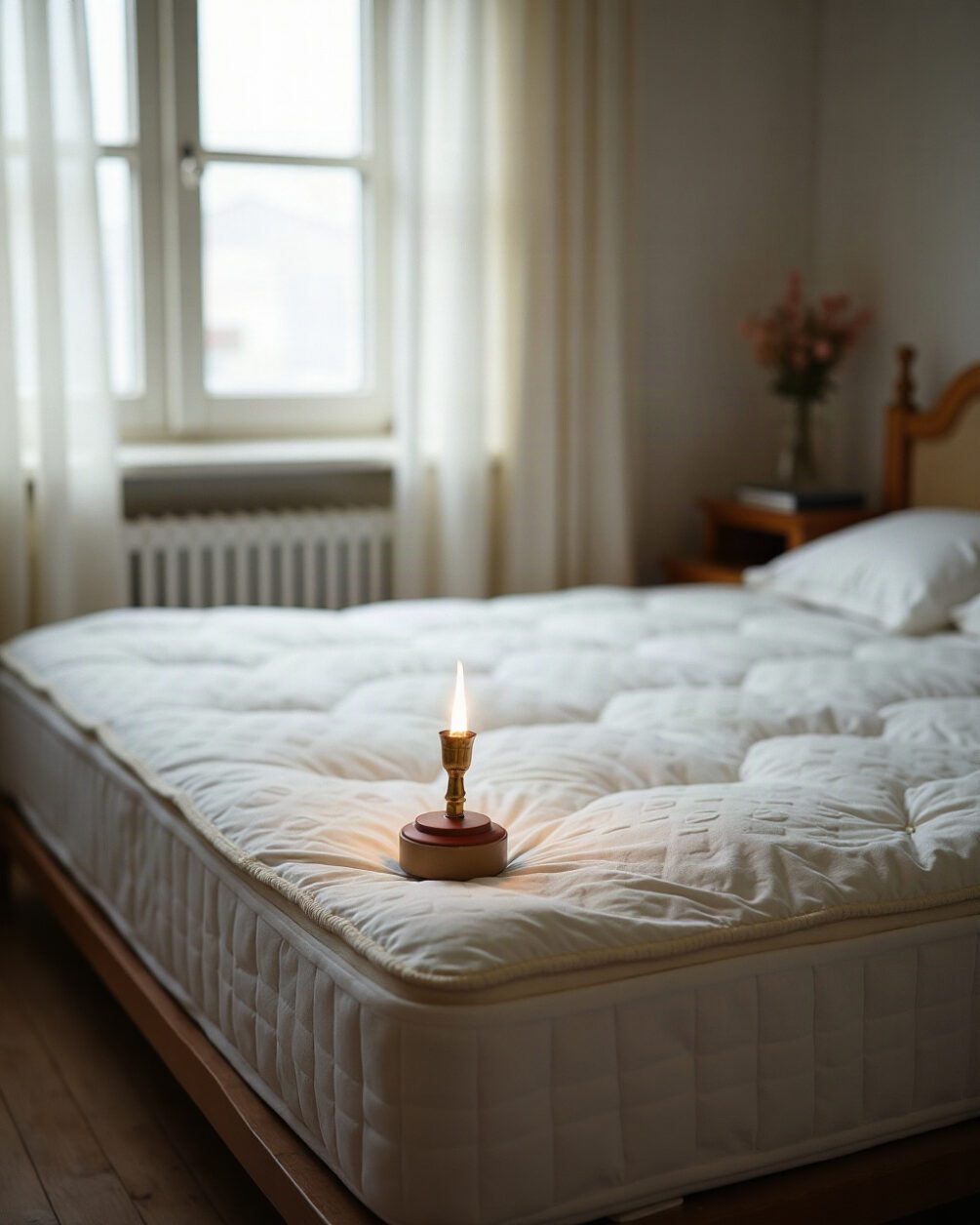
A bedroom is the room people search most anxiously and inspect least systematically. It also happens to contain the four things most household insects want: natural fibre, undisturbed dark corners, shed skin cells, and in many houses a cold external wall that stays damp behind the furniture.
Ten minutes to rule bed bugs in or out
Do this before anything else, because every other answer on this page is reassuring and this one is not.
Strip the bed. Put a torch along the piped seam of the mattress, then the box spring or divan edge, then the joints and screw holes of the frame, then the back of the headboard.
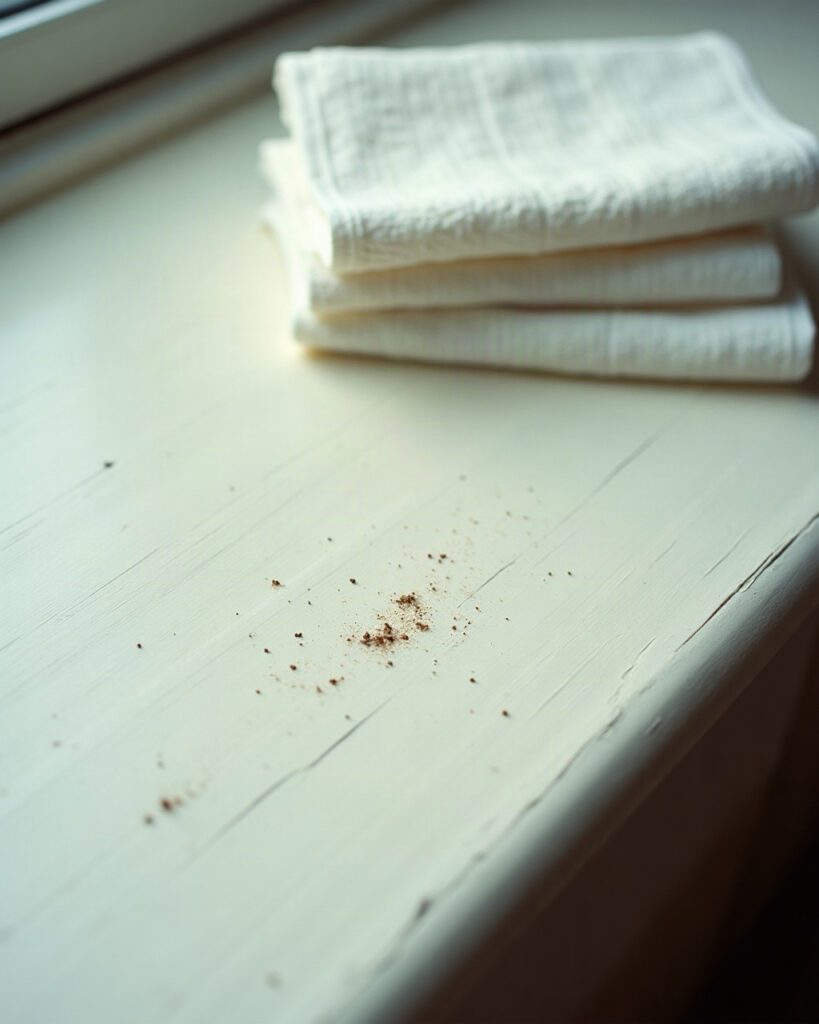
You are looking for two things rather than for insects. Dark spotting that looks like a marker pen dot bleeding slightly into the fabric, in tight lines along seams, and shed tan skins holding the shape of the insect. Kentucky describes bed bugs as brownish, oval and flattened, hiding in seams and crevices near where people sleep.
If both are absent after a proper look, the odds are strongly in your favour. Our inspection guide covers the search in order, and if you have an insect in a jar and are unsure, the look-alike guide covers the six impostors and the profile check that separates them.
Carpet beetle larvae, the usual answer
With bed bugs excluded, this is the most likely thing in a bedroom by a wide margin. The larva is three to five millimetres, tapered, and covered in short bristles that give it a banded or fuzzy look. It creeps rather than crawls and curls when touched.
Kentucky notes that carpet beetle larvae feed on wool, felt, fur, feathers and other animal products. A bedroom is full of those: wool blankets, a feather duvet, a sheepskin rug, stored jumpers, and the underside of a mattress topper.
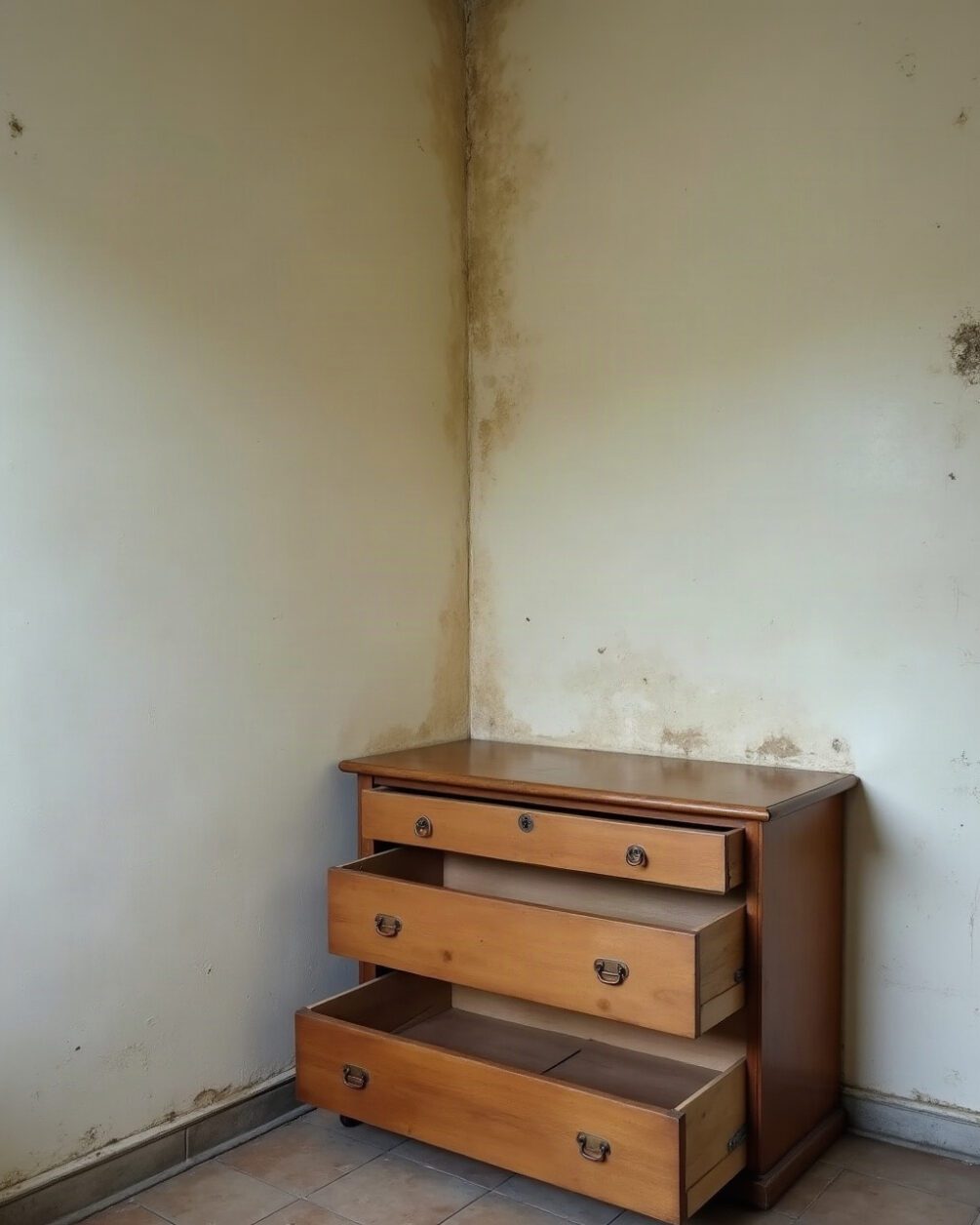
Where to look: the wardrobe floor, under the bed, along carpet edges at the skirting, under a chest of drawers that has not moved in years, and inside anything stored in a suitcase. Shed bristly husks are often easier to find than the larvae. Our identification guide shows the species and the removal guide covers the work, which is mostly finding the fibre source and vacuuming edges rather than treating the room.
They do not bite. The bristles can irritate skin on contact and produce itchy bumps that get read as bites for months, which we cover in carpet beetle rashes explained.
Clothes moths, if the damage is in the wardrobe
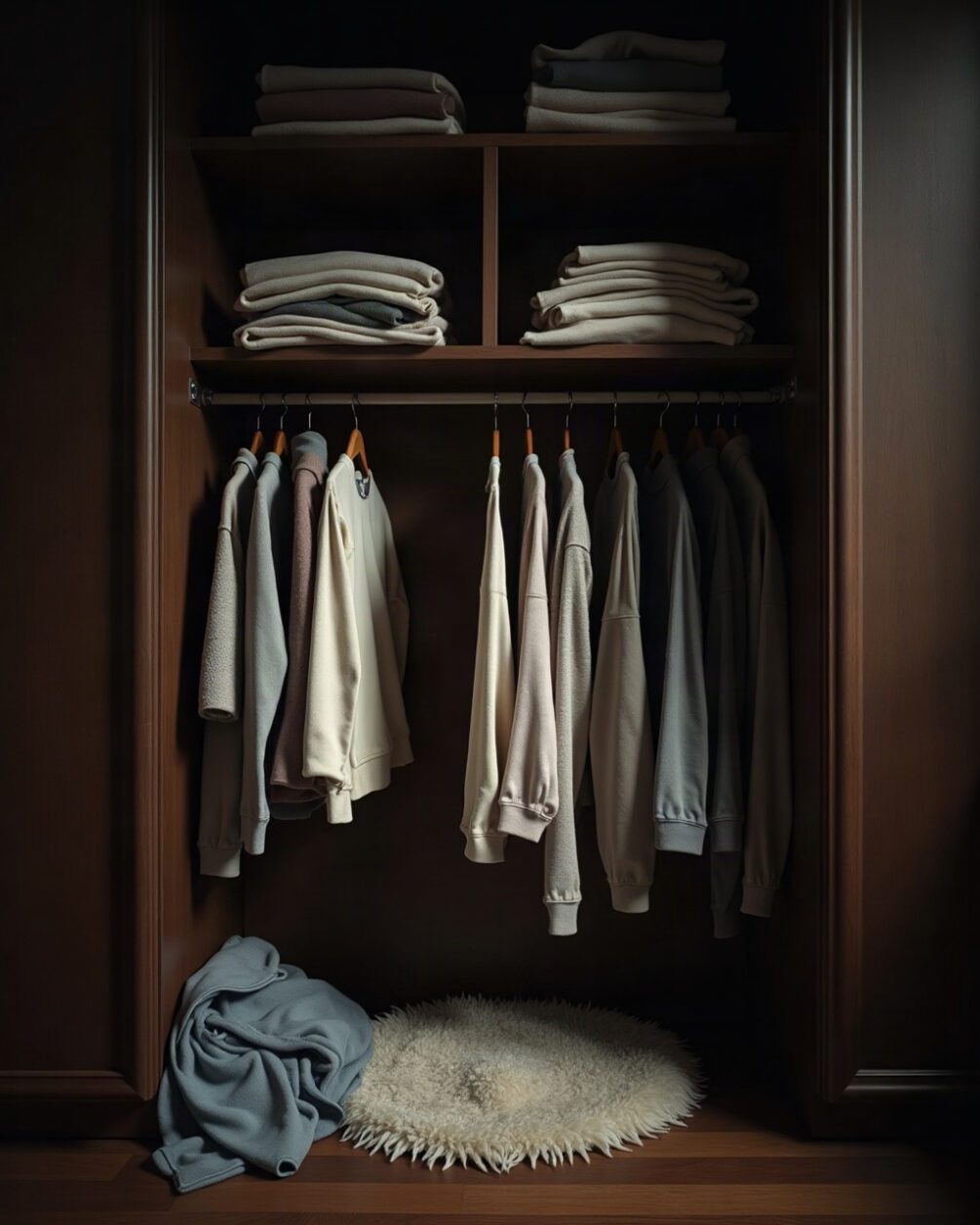
If there are small holes in wool or cashmere, or thin bare patches in a stored garment, the culprit is a larva rather than the moth you saw. Adult clothes moths do not feed on fabric at all.
The signs are the webbing and the silk cases the larvae build, usually in the folds of a garment, along a collar seam or in the dark corner of a shelf. They avoid light, so damage concentrates in stored and folded items rather than in things worn regularly. Our wardrobe identification guide covers the full comparison with carpet beetles, and the clothes moth guide covers treatment.
Booklice and the cold wall
Very small, pale to grey, soft, slow, and usually numerous. They appear on damp plaster, on the back of wallpaper, on stored paper, and behind furniture standing hard against an external wall.
They cannot live on a person despite the name, cannot bite, and cannot damage a building. They eat the microscopic mould that grows on damp surfaces, so they are a humidity reading. Pulling a wardrobe or a chest of drawers a few centimetres away from a cold wall, and ventilating properly, usually ends it without any treatment. Our guide to tiny white bugs covers the group.
Dust mites, which you will never see
Worth naming because a great deal of bedroom searching is really about allergy. Kentucky is clear that house dust mites are microscopic and do not bite. Anything you can see is not a dust mite.
If waking congested rather than bitten is the actual problem, the management is completely different and has nothing to do with pest control: humidity, mattress and pillow covers, hot washing and vacuum filtration. Our dust mite allergy guide covers it, and the comparison with bed bugs covers why the distinction matters.
Reading the bites, with the usual caution
Working backwards from skin is unreliable. Reactions vary enormously between people, a substantial share of people do not react to bed bug bites at all, and reactions can be delayed by days, so a partner with clear skin proves nothing.
Position carries a little information. Bites appearing overnight on exposed upper body skin are consistent with bed bugs and warrant the seam inspection. Ankle-height clusters point at fleas and an animal. An itchy rash with no discrete bite marks, on someone who sleeps under wool, is more often contact irritation or dry skin than any bite. Our bite identification chart lays out the patterns, and it remains true that nobody can name a culprit from a welt alone.
Common questions
I found one insect and nothing since.
A single insect with no spotting, no shed skins and no repeat sightings is a wanderer. Bed bug problems do not present that way.
Should I buy a mattress cover?
As allergy management, yes, it is genuinely effective. As bed bug treatment it is a containment measure within a plan rather than a solution, and buying one before you have found evidence is buying against a guess.
Everything is clean and I still find them.
Then look where cleaning does not reach: the wardrobe floor, under the bed, behind the headboard, inside stored suitcases, and in any wool item that has not moved in a year. That is where the fibre source will be.
Final verdict
Ten minutes with a torch on the mattress seams settles the only question that changes your plan. With bed bugs excluded, a bedroom holds wool, dust and a dark wardrobe, so the answers are carpet beetle larvae in stored fibre, clothes moth larvae if there are holes, booklice if a wall is damp, and dust mites if the real problem is waking up congested rather than bitten. Only one of those needs anything bought, and it is a mattress cover for allergies rather than a pesticide.