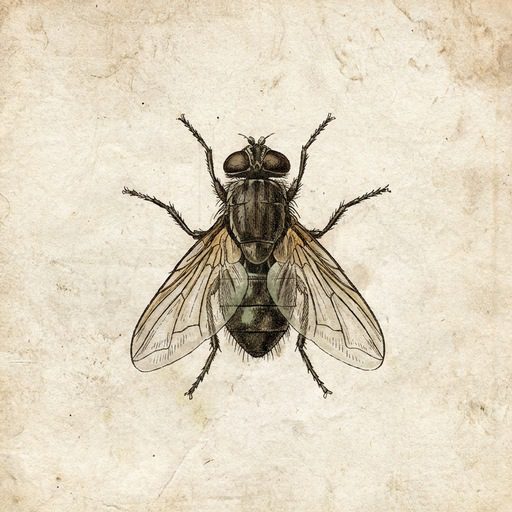
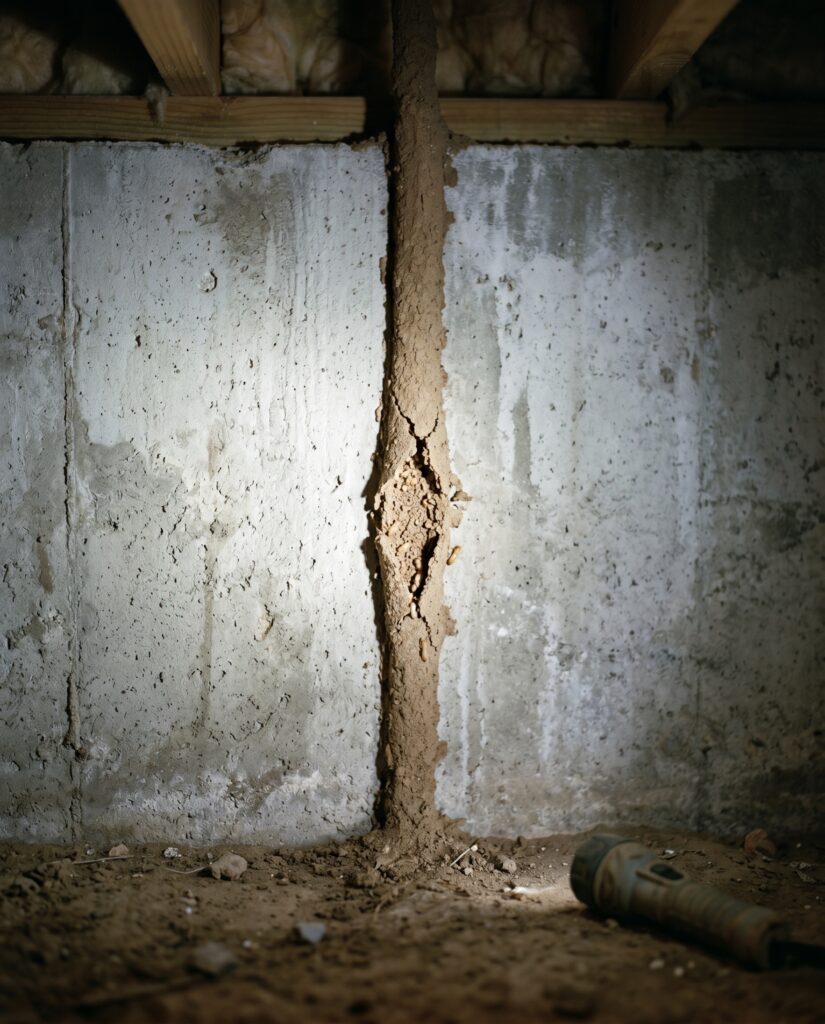
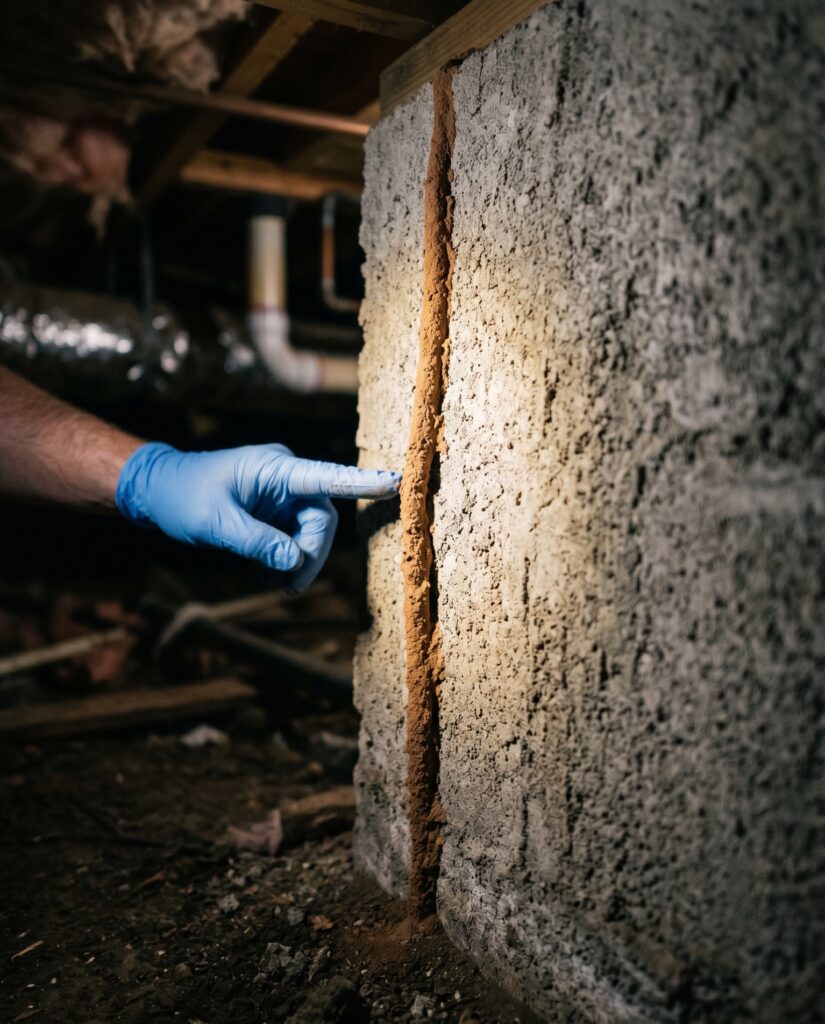
Termite eggs are tiny, translucent white and kept deep in the colony by workers, and termites have no larval stage in the usual sense: the young hatch as small pale versions of the adults. You will not find either casually. Seeing them means a gallery has been opened, and the evidence that actually matters is elsewhere: mud tubes, discarded wings and timber that sounds hollow.
- No grubs. Termite young are miniature adults, not maggots or caterpillars.
- Brood never leaves the colony. Seeing it means the structure has been opened.
- Look for mud tubes and shed wings instead, which is evidence you can actually find.
This page exists partly to redirect. People search for termite eggs after finding something white in or near wood, and the honest answer is that termite brood is one of the least likely things to be looking at. What matters is what you do find, and there is a proper list of that.
What termite eggs and young actually are
Eggs are well under a millimetre, oval, translucent white, and laid in batches that workers move constantly between chambers to hold the right humidity. They are kept in the royal chamber deep in the colony.
The young are the part people get wrong. Termites are hemimetabolous: there is no grub or maggot stage. A hatchling emerges as a miniature pale version of the adult, with legs and antennae, and moults into a worker, soldier or reproductive depending on what the colony needs.
So a white legless grub found in timber is not a termite at any stage. It is far more likely a wood-boring beetle larva, and our powderpost beetle versus termite guide covers that distinction, which changes the treatment entirely.
What you find instead, in order of usefulness
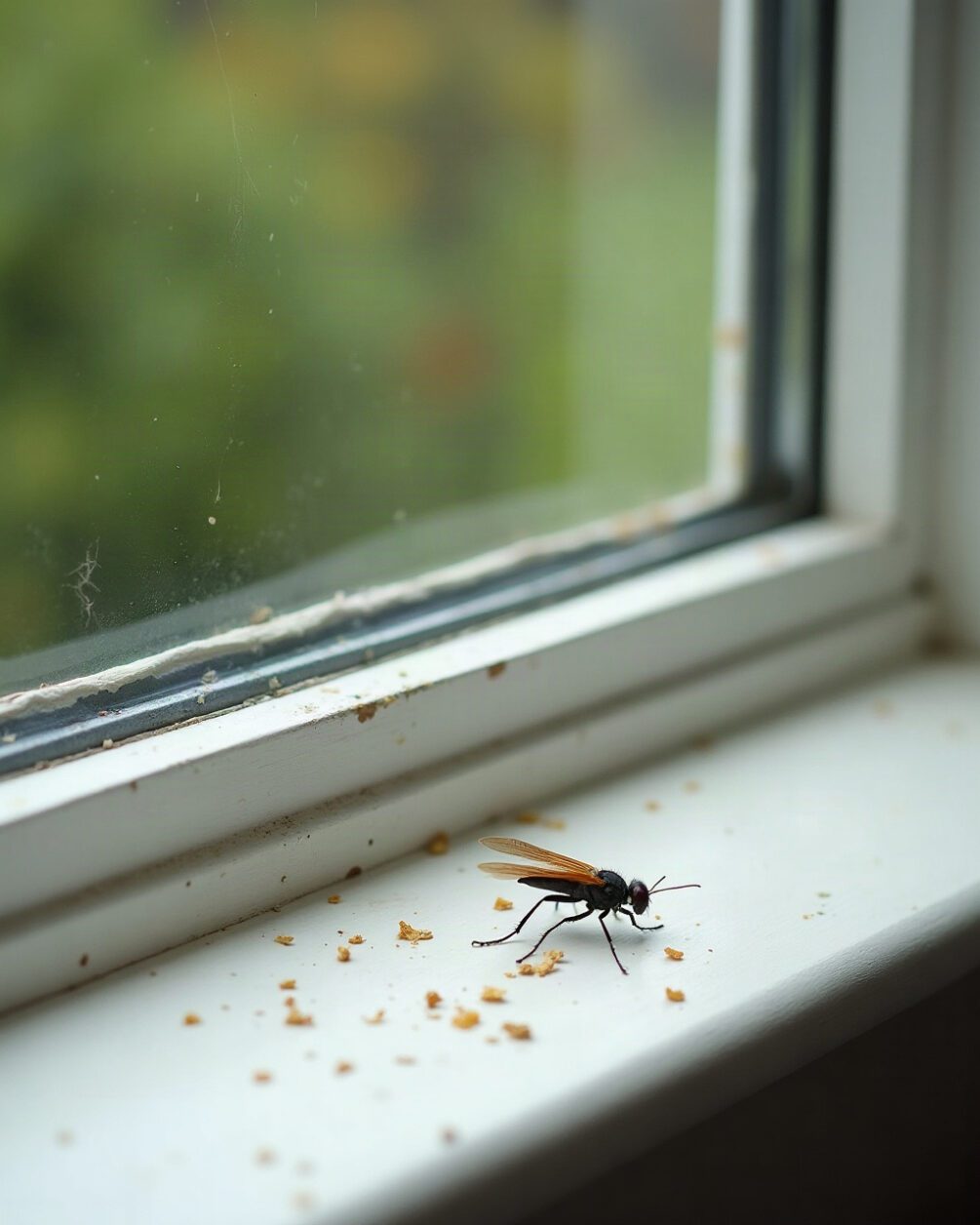
Discarded wings. Swarming reproductives fly, shed their wings and die, often within a single day. The wings persist on windowsills, in cobwebs near windows, and on floors beside external walls. Four wings of equal length is the check; an ant’s front pair is longer than the back. Our flying ants versus termites guide covers all three checks and what swarmers mean covers the implication, which Kentucky states plainly: a swarm indoors indicates a mature colony is present rather than nearby.
Mud tubes. Pencil-width tunnels of soil and saliva running up a foundation wall, a pier or a joist. Subterranean termites build them to keep humidity while travelling between soil and timber. Breaking one open and checking a few days later shows whether it is active.
Timber that sounds hollow when tapped, or that gives under a screwdriver. Termites eat from the inside out, leaving a thin surface intact.
Blistered or rippled paint, and floors or skirting that feel soft.
Our guide to the signs of termites covers the full inspection.
What they do not leave, which is diagnostic
This is where the confusion with beetles resolves.
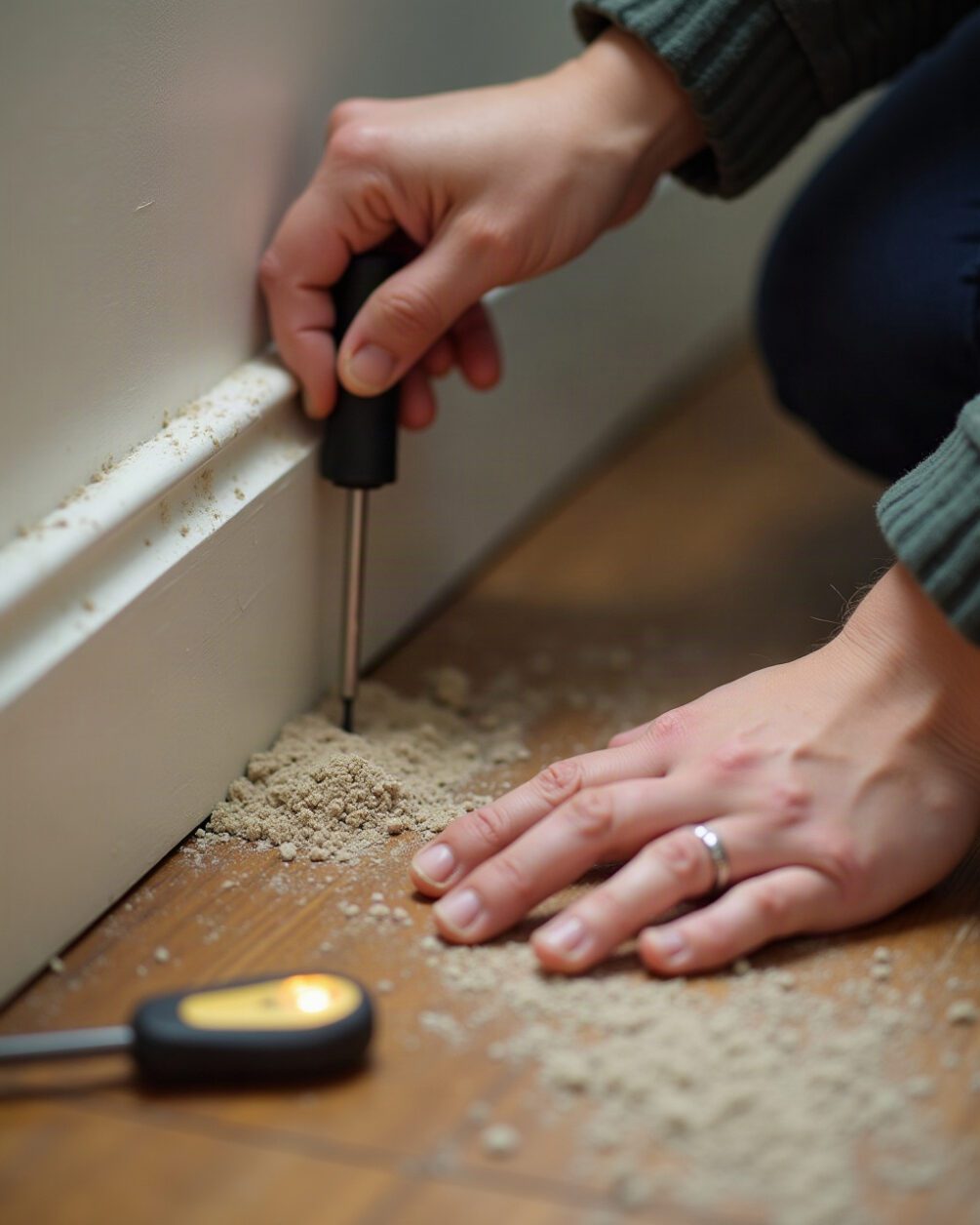
Termites do not eject frass in the way wood-boring beetles do, at least not the subterranean species that cause most damage. They pack their galleries with soil and faecal material rather than pushing debris out.
So the presence of debris below timber points away from subterranean termites:
Coarse shavings like pencil sharpenings means carpenter ants, which excavate rather than eat and prefer timber that is already damp. Our ant brood guide covers what their nests contain.
Fine flour-like dust with small round exit holes means powderpost beetles.
Small hard pellets that look like coarse sand or coffee grounds is the exception: drywood termites do eject these through kick-out holes. Our subterranean versus drywood guide covers which one you are dealing with, and it changes the treatment substantially.
The caste system, briefly, because it explains the sightings
A colony contains workers, soldiers and reproductives, and which one you see tells you something.
Workers are pale, soft and blind, and make up most of the colony. They are what people see if a gallery is opened, and they are often mistaken for eggs or larvae because of the colour.
Soldiers have enlarged darker heads and jaws, and defend a breach.
Reproductives are the winged swarmers, darker, and the only caste that leaves.
Our life cycle and colony guide covers the structure, which is what makes bait systems work: workers carry the active ingredient back to a colony you cannot reach.
What to do if you find any of it
This is one of the few pages on this site where the honest recommendation is to stop and call someone.
Kentucky’s guide to termite baits is direct that this is not a do-it-yourself category. Subterranean termite treatment involves soil barriers or bait systems that need equipment, access and follow-up, and a partial treatment can drive activity elsewhere in a structure rather than ending it.
What is worth doing yourself:
Photograph and keep what you found, especially wings, in a bag with the date.
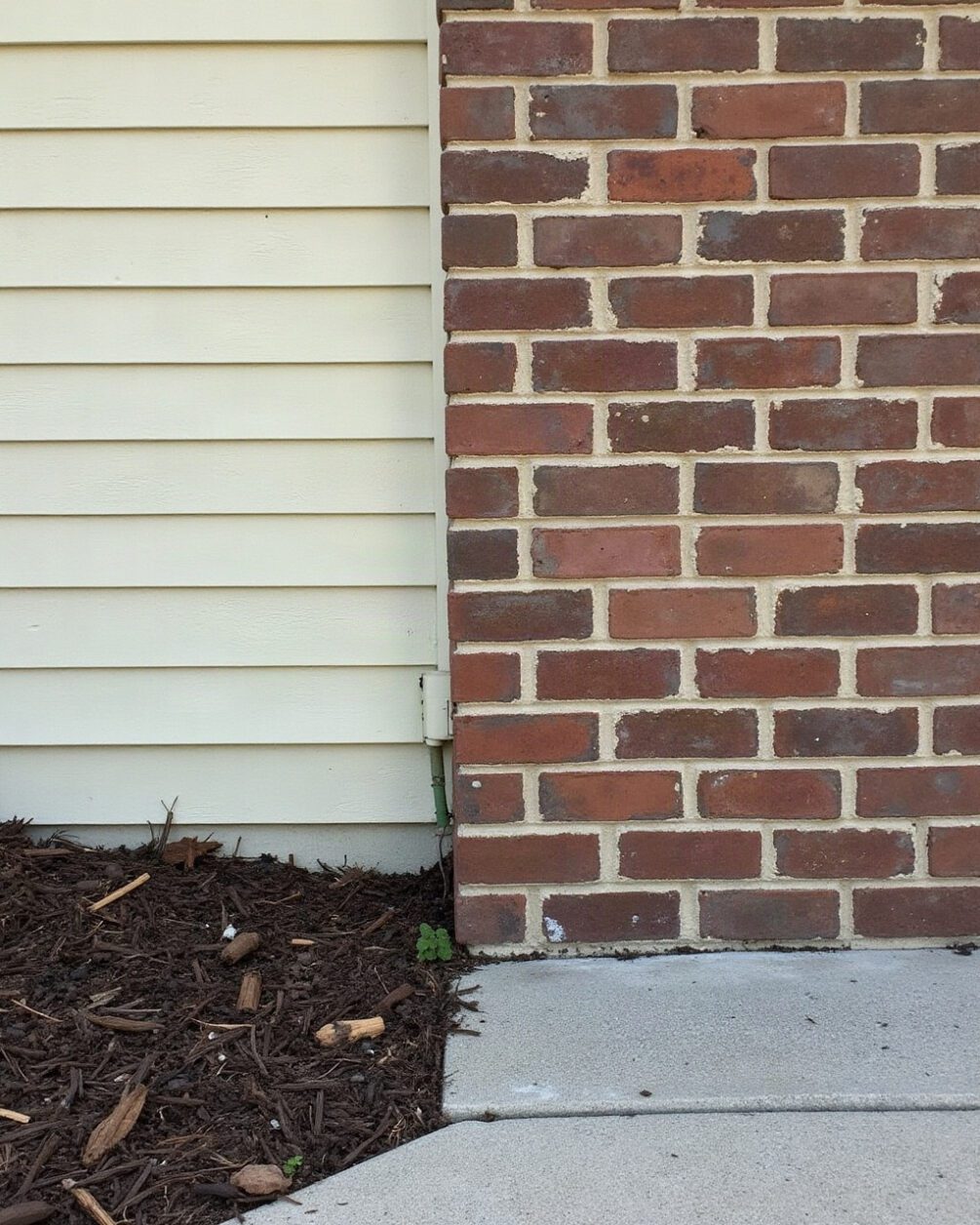
Check the perimeter. Soil or mulch piled against the wall, timber in contact with the ground, a leaking gutter discharging beside a foundation. Termites need moisture, and those conditions are what a survey will flag anyway.
Do not disturb mud tubes extensively before an inspection; they are useful evidence of where activity runs.
Our guide to treatment cost and whether to do it yourself covers what to expect, and the inspection guide covers preparing for one.
Common questions
I found white grubs in a beam. Termites?
Almost certainly not. Termites have no grub stage. Wood-boring beetle larvae are the usual answer, and our larvae hub sorts them by where they were found.
Can I see eggs if I open a mud tube?
No. Tubes are travel routes, not nurseries. Brood is in chambers, usually in soil or deep in timber.
Is a single winged insect indoors serious?
One, in spring, near a window, is worth checking against the three features rather than ignoring. A pile of shed wings is worth acting on.
Final verdict
You are not going to find termite eggs, and there are no termite grubs to find, because the young hatch as miniature adults. Redirect the search to what is findable: four equal-length wings shed on a windowsill, pencil-width mud tubes on a foundation, and timber that sounds hollow. Debris below the wood points at beetles or carpenter ants instead. And of everything on this site, this is the finding where calling a professional early is the cheap option.