A silk tube indoors is one of three things. A small tube that moves, made of silk and fibre and matching whatever it sits on, is a case-bearing clothes moth larva carrying its home. A larger fixed funnel leading into a crack, with a flat sheet in front of it, is a funnel weaver spider’s retreat. A tube of silk bound up with food particles in a cupboard is a pantry moth larva. The test that separates them is whether it moves and what it is attached to.
- If it moves, it is a case-bearing larva. Nothing else carries its tube.
- A funnel with a sheet in front is a spider retreat, and the spider is inside it.
- On fabric it is fabric damage. In a cupboard it is food.
A tube is a more informative structure than a sheet, because far fewer things build one. The whole identification comes down to three questions: does it move, what is it made of, and what is it attached to.
The case-bearing clothes moth
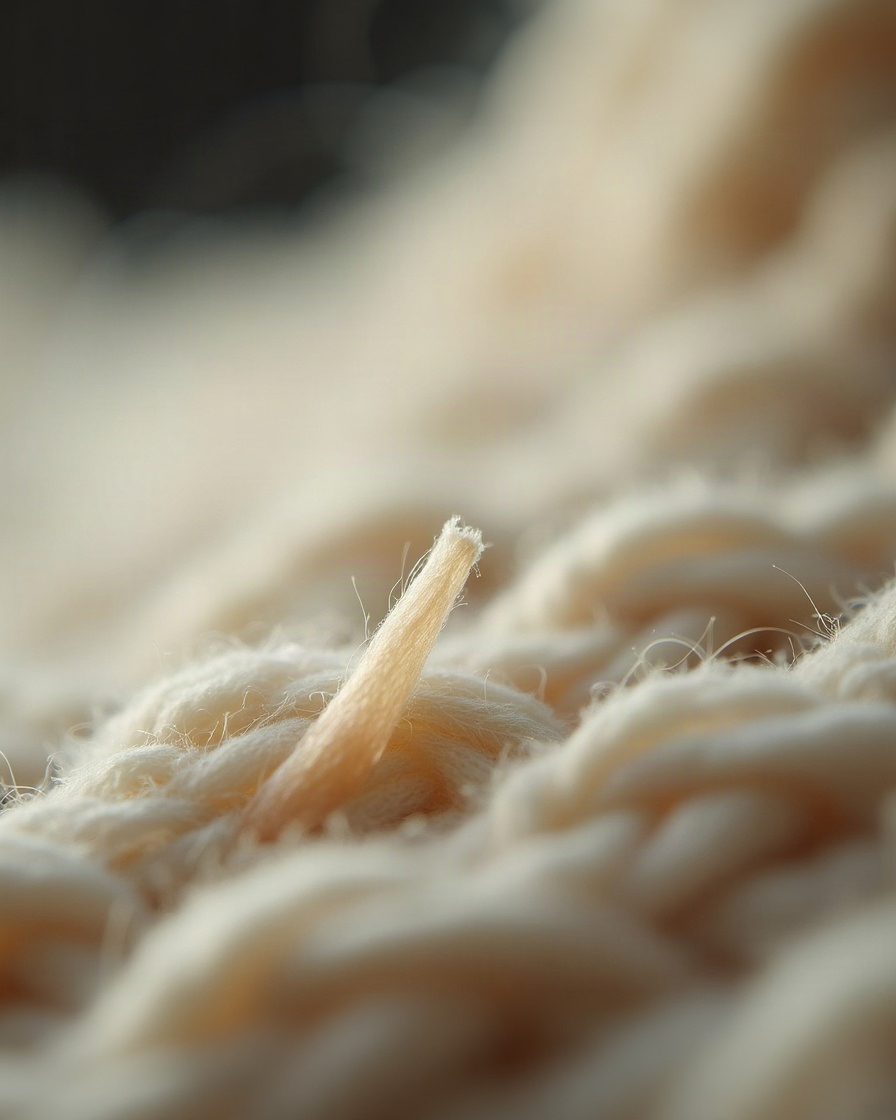
What it is. The larva of the case-bearing clothes moth builds a small portable case of silk, and it incorporates fibres from whatever it has been eating. So a case found on a brown wool coat is brown, and one on a grey carpet is grey. That camouflage is the reason these are usually discovered late.
Size and appearance. Roughly 5 to 10 mm, spindle shaped, slightly flattened, open at both ends. The larva extends its head and thorax to feed and drags the case along with it.
It moves. Slowly, but it moves, and it will be found in a different place a day later. Nothing else on this page does that.
Where. On wool, cashmere, silk and felt. Under collars, in folds, on the undersides of upholstered furniture, along carpet edges, and characteristically on the floor of a wardrobe rather than on the hanging garments, in the fibre and lint that gathers there.
What it means. Fabric damage, present or coming. The University of Kentucky’s guide to clothes moths covers both species, and holes in clothes, moth or beetle covers reading the damage.
Its relative, the webbing clothes moth, does not build a portable case. It spins silk tubes and sheets fixed to the fabric instead, so a fixed tube on wool is that species and a moving one is the case-bearer.
The funnel weaver’s retreat
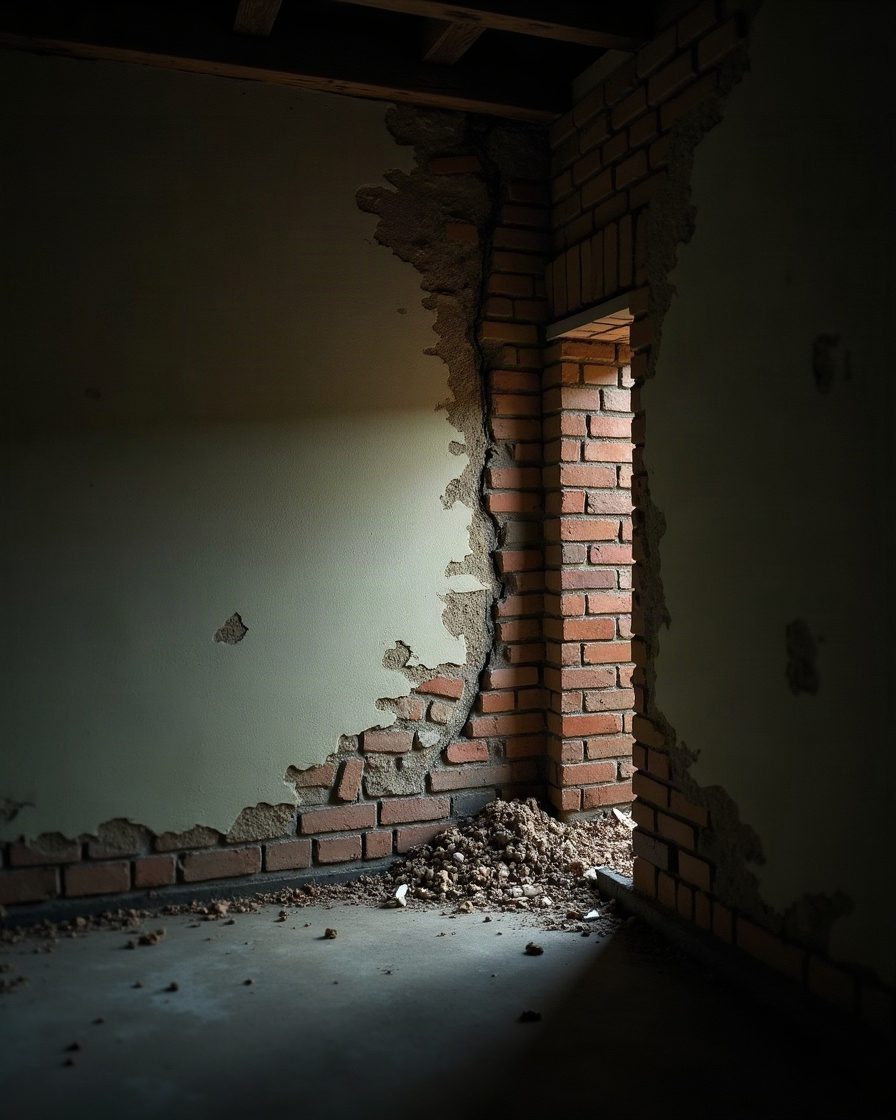
What it is. A dense silk tube leading back into a crack, a gap in brickwork, the corner of a shed, or the join between a wall and a floor. In front of it, usually, a flat sheet of silk.
Size. Substantially larger than a moth case, and fixed in place.
Where the spider is. Inside the tube, waiting. The sheet is not sticky; it works as a trip surface, and the spider runs out when it detects vibration.
What it means. Very little. Funnel weavers are harmless and they eat other insects. UC IPM’s guide to spiders covers the family, and funnel webs compared with sheet and orb webs covers the architecture.
The pantry moth larva
What it is. A silk tube or mat spun in and around stored food, bound up with grains and frass.
Where. Inside packets, in cupboard corners, and, once the larva leaves to pupate, on the underside of the shelf above and out across the ceiling.
What it means. A food problem rather than a fabric one, and the source is a packet that very likely arrived infested. See moth webbing in a pantry.
The three, side by side
| Case-bearing moth | Funnel weaver | Pantry moth | |
|---|---|---|---|
| Moves | Yes | No, the spider does | No |
| Made of | Silk and fabric fibre | Pure silk | Silk and food particles |
| Size | 5 to 10 mm | Larger, fixed | Variable, matted |
| Attached to | Fabric, or loose | A crack or gap | Food, shelf, ceiling |
| Means | Fabric damage | Nothing much | Infested food |
Other tubes worth knowing
Mud tubes on a foundation or a wall. Not silk at all. Pencil-width tunnels of compacted earth are subterranean termites, and they are the most serious structure covered anywhere in this group. See mud tubes on a foundation.
Finger-length mud tubes on a sheltered wall. A mud dauber wasp, and harmless. See mud dauber nests on walls.
Silk tubes on plants outdoors enclosing shoots and leaves: web-forming caterpillars. See webbing on garden plants.
What to do
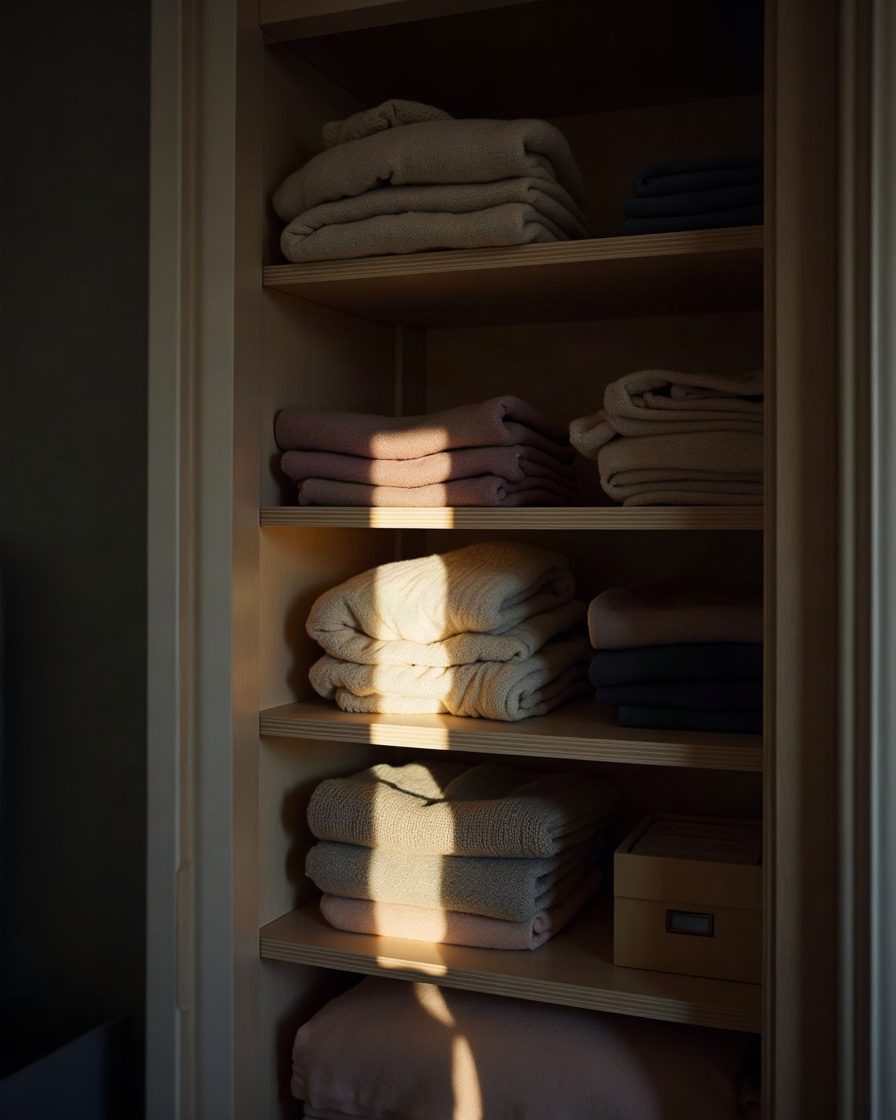
For a case-bearing larva, treat it as a fabric infestation. Clean before storing, since soiling is what makes fibre attractive. Wash and tumble dry hot where the fabric allows, or freeze sealed for a fortnight where it does not. Vacuum the wardrobe floor, skirting junctions and under furniture, and empty the vacuum outside. Store clean garments sealed. Tiny bugs in a wardrobe covers the search.
For a spider retreat, remove it if you would rather not have it, and consider that it is there because there are insects to catch. Exterior lighting is usually the driver.
For a pantry tube, empty the cupboard and clean the crevices, then decant into sealed glass.
Common questions
It looks like a grain of rice on my jumper. Very likely a case-bearing larva. Watch it for a minute, or check the same spot tomorrow.
A tube on the wall with nothing in it. An old spider retreat, or a vacated moth case. Both persist after the animal has gone.
Is any of this dangerous? No. The fabric species damage things; none of them is a health risk.
I cannot find any moths. Normal. The adults are small, weak fliers that avoid light, and the case-bearing species is rarely seen at all.
The bottom line
Watch it for a minute. If the tube moves, it is a clothes moth larva carrying its case and there is fabric damage to find. If it is fixed and leads into a crack, a spider is inside and it matters very little. If it is in a cupboard bound up with food, the packet is the problem.