
The space behind a fridge is warm from the motor, damp from the condensation tray, full of crumbs, dark, and almost never cleaned. That combination makes it the single best cockroach habitat in an ordinary kitchen, which is why it is the first place a professional looks. Ants, silverfish and pantry beetles use it too, for the same reasons.
- Fine dark specks like ground pepper in the corners: cockroach droppings, and worth acting on now rather than later.
- A trail along the skirting: ants, following something spilled and forgotten.
- Nothing visible at all: pull the appliance out anyway. This is a place that hides its evidence.
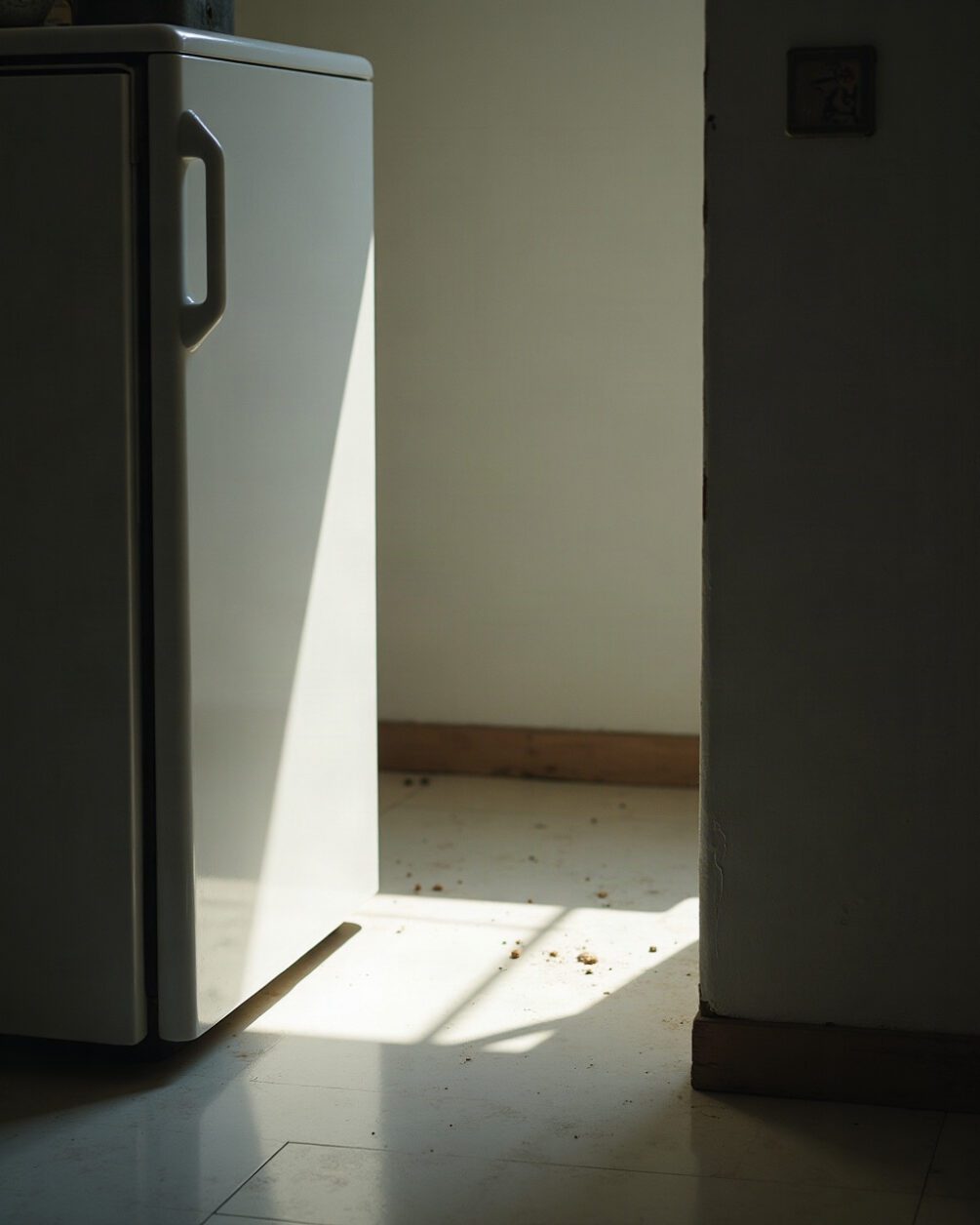
Most kitchen pest problems are found in the same place, and it is not the cupboard people search first. It is the fifteen centimetres behind the fridge, because that gap solves every problem an insect has at once.
Why that gap specifically
Heat. The compressor and condenser coils run warm continuously. In a cold kitchen at night that is the warmest surface in the room, and warmth speeds up insect breeding.
Water. Almost every fridge has a shallow drip tray that catches defrost condensation and lets it evaporate. It is a permanent open water source, which is the resource most kitchen insects are actually short of.
Food. Crumbs and spills go under and behind an appliance and stay there. Nothing sweeps that far back.
Darkness and stillness. UC IPM notes that cockroaches are active at night and spend the day hidden in cracks and crevices. A warm dark cavity nobody disturbs for years is exactly the daytime shelter that description is about.
Cockroaches, and why this is the early-warning spot
If you have a German cockroach problem, this is usually where it starts and where it stays largest. Kentucky is direct that German cockroaches are the species most likely to infest homes and apartments and that populations build quickly.
What to look for once the fridge is out:
Droppings. Fine dark specks like ground pepper, accumulating in corners, along the skirting and on the floor under the motor housing rather than in trails. Our guide to reading tiny black specks separates these from mouse droppings and from ordinary dirt.
Shed skins. Pale papery husks in the same crevices, often more numerous than any insect you will see.
Egg cases. Small brown capsules, roughly rice-grain sized, glued into corners and seams.
A smell. An established population produces a distinctly musty, oily odour that people notice before they see anything.
If you find a small fast brown insect rather than an adult, it is likely a nymph, and nymphs mean breeding rather than a visitor. Our baby cockroach guide shows the stages, the species guide matters because a large outdoor species that came up a drain is a much smaller problem, and the German versus American comparison is the distinction that changes the approach.
Ants, silverfish and pantry beetles
Ants use the warm gap as a route rather than a home, following a trail to something spilled. The visible ants are the least important part: the work is erasing the chemical trail from the skirting and finding the entry point. Which species you have changes what to do, and our ant identification guide covers the ones that matter, particularly pharaoh ants, where the wrong treatment splits a colony instead of killing it.
Silverfish want the damp more than the warmth, and turn up where the drip tray keeps humidity high. They eat starch, so cardboard packaging stored beside the fridge feeds them. Our guide to what attracts silverfish covers the conditions.
Pantry beetles and meal moth larvae end up here after leaving the packet. Kentucky notes that stored product infestations usually trace to a single contaminated item, and larvae crawl surprising distances to pupate, which is why they turn up in a gap containing no food. Our pantry pest guide covers the search, and the cupboard identification guide covers what is living in the packets themselves.
The clean-out, in order
This is worth doing once properly rather than four times badly.
Unplug and pull it out. Fully out, not tilted. Most fridges roll if you take the weight off the front feet.
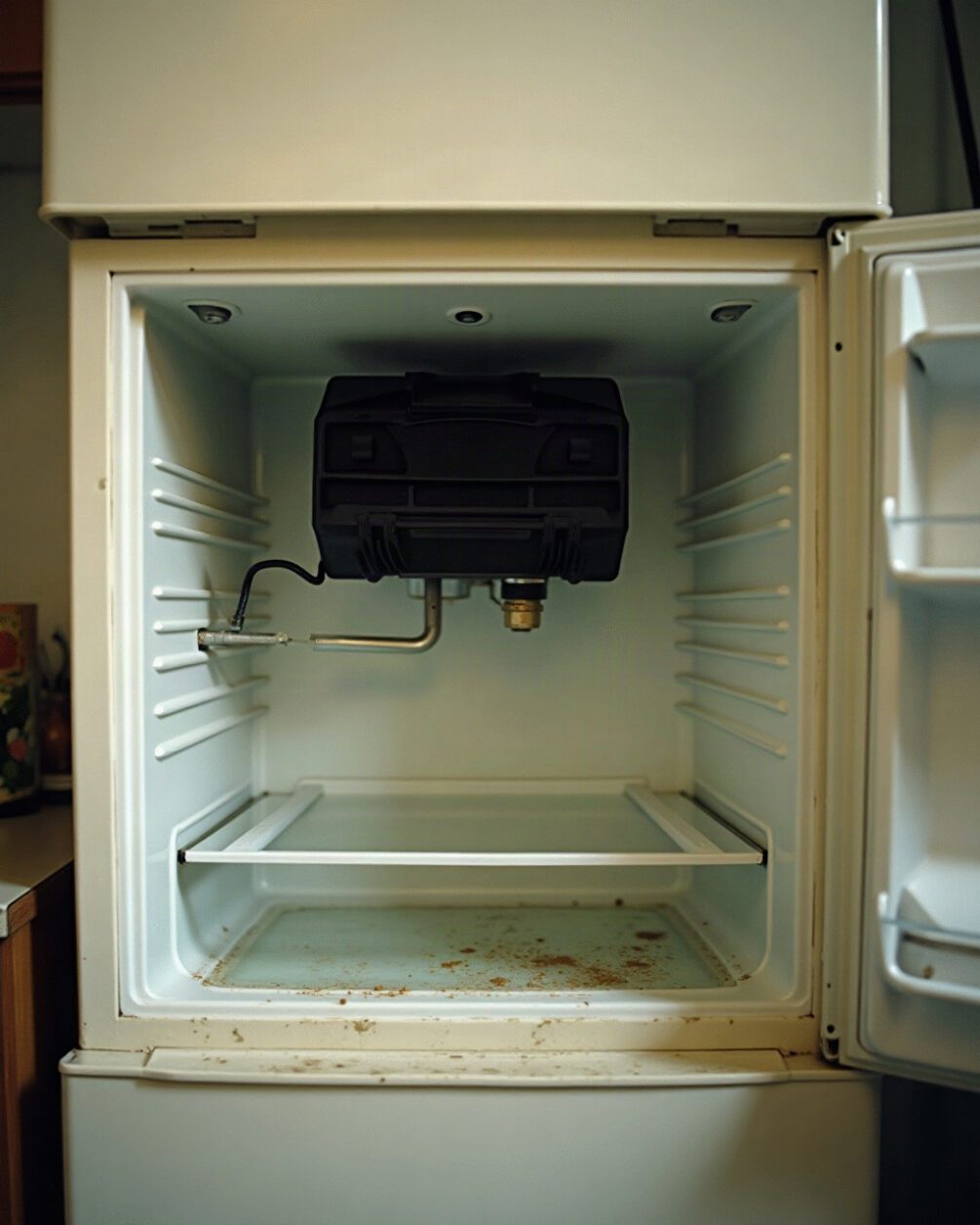
Empty and wash the drip tray. It is usually a shallow black plastic tray sitting on or near the compressor. It is also usually filthy, and it is the water source.
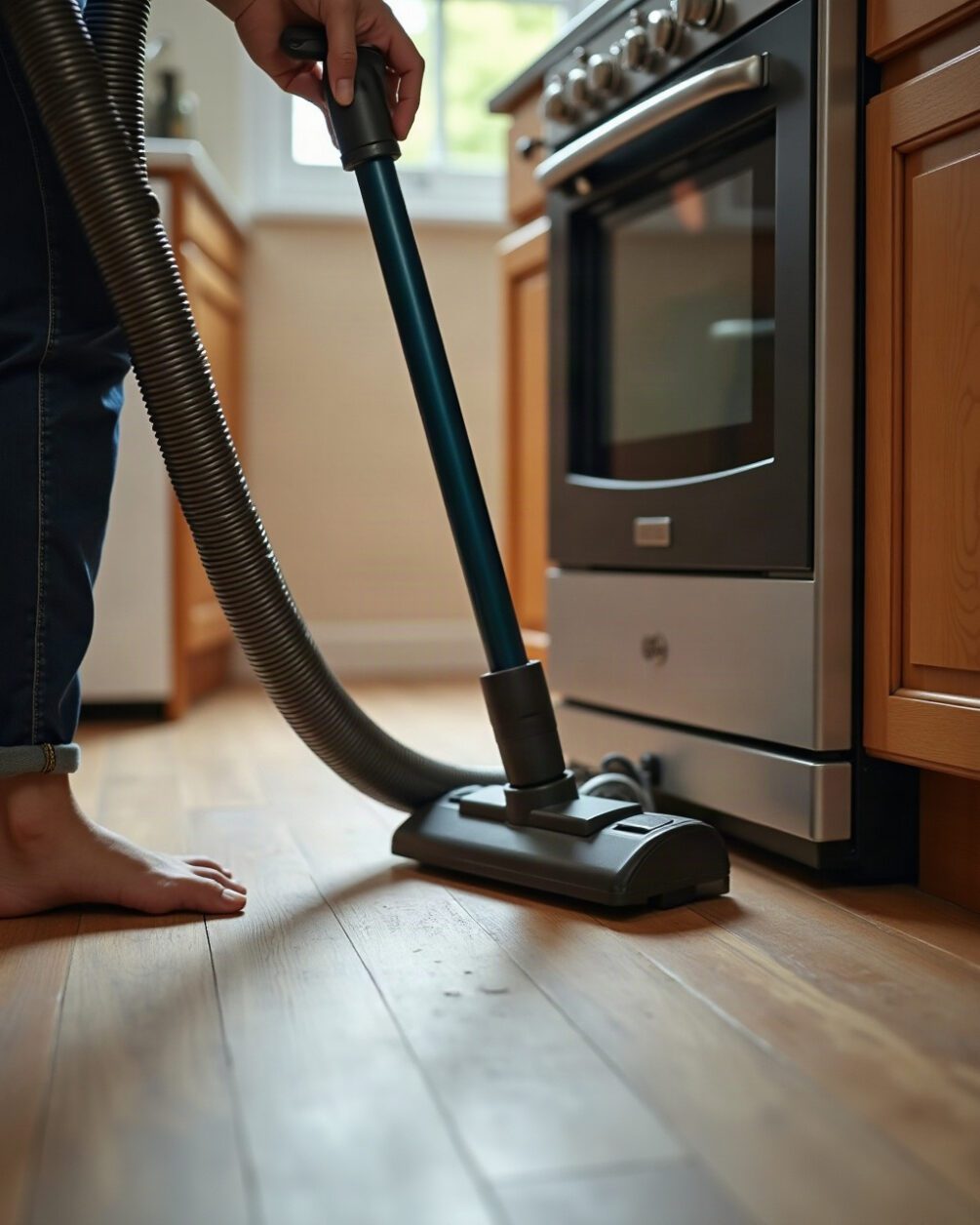
Vacuum the coils and the floor. A crevice nozzle along the skirting, into the corners, and across the coils. The coils being clean also cuts the fridge’s running cost, which is a fair side benefit.
Look before you clean the evidence away. Photograph anything you find first. Once the floor is vacuumed you have lost the information.
Seal the gaps. The hole where the water line or cable passes through a cabinet wall is a motorway. Filling it changes the geography of the room for anything living in the cavity.
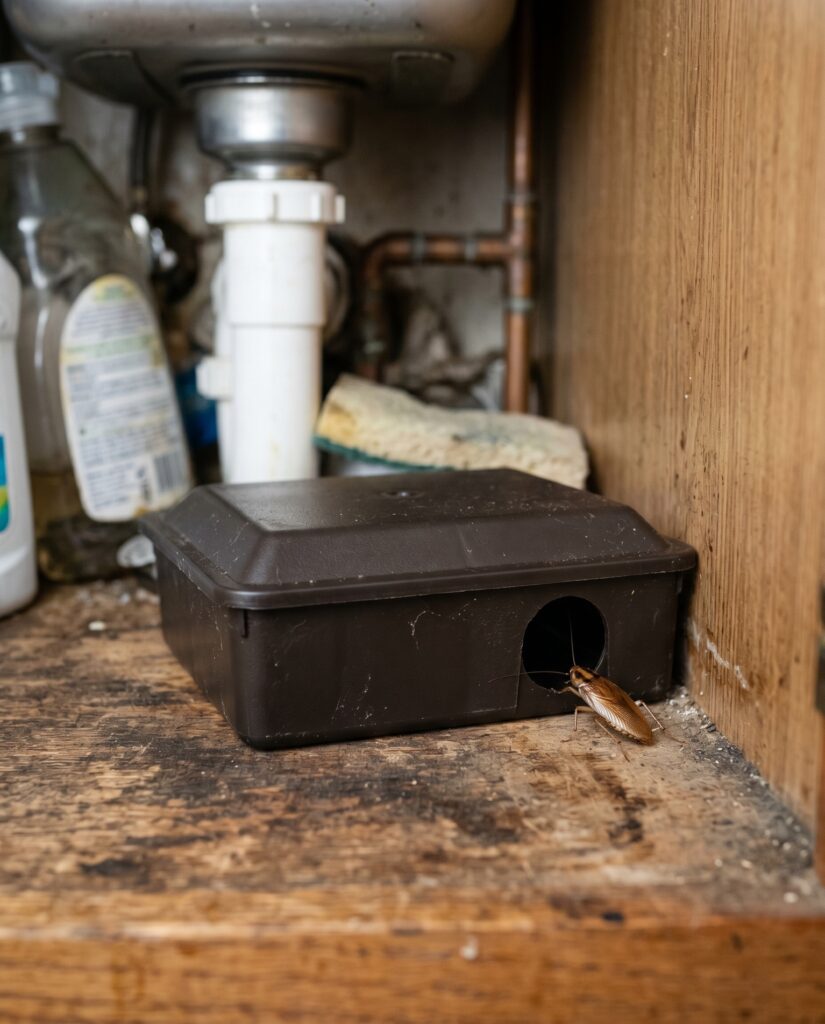
Do not spray into the coils or the motor. Aerosol residue on hot electrical components is a genuinely bad idea, and it does not reach where the insects shelter anyway. Bait placed nearby works and spray does not. Our guides to German cockroaches and what attracts cockroaches cover the approach that actually reduces a population.
Common questions
How often should I pull it out?
Twice a year is enough to keep the tray and coils clean and to catch a problem while it is small. Most households never do it at all, which is why this gap is where problems mature unnoticed.
I found nothing. Does that settle it?
It is good evidence, particularly if you also checked under the sink and behind the cooker. Those three cavities cover most of what a kitchen hides. Our under-sink guide covers the second one.
Is a warm fridge motor a fire risk with dust on it?
Dusty coils make the appliance work harder and run hotter, which is reason enough to vacuum them regardless of insects.
Final verdict
Pull the fridge out. That gap has heat, water, food, darkness and no traffic, which is everything an insect needs and everything a kitchen cupboard lacks. Look before you clean: fine peppery specks in the corners mean cockroaches and a reason to act this week, a trail along the skirting means ants and a spill to find, and damp cardboard beside a full drip tray means silverfish. Then empty the tray, vacuum the coils, seal the pipe hole, and put the twice-yearly clean-out in the calendar.

Pingback: Bugs That Only Come Out at Night: The Short List