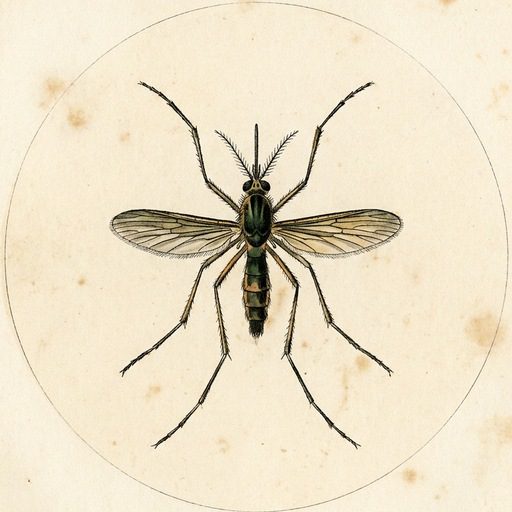
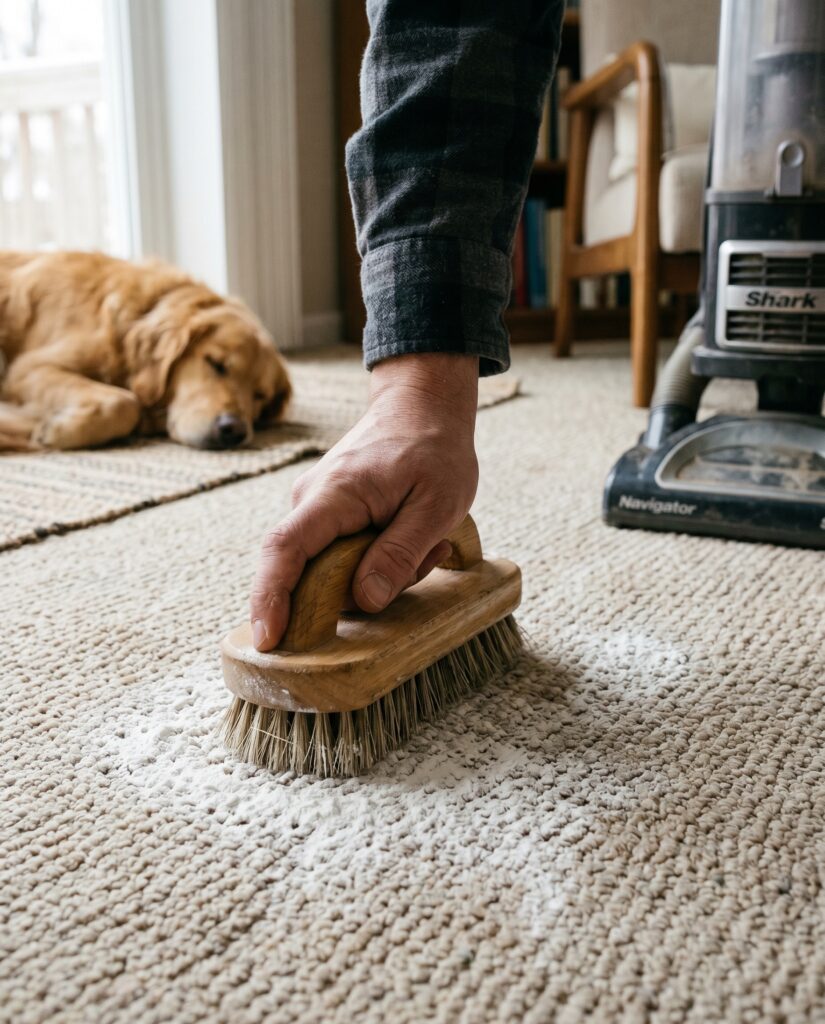
Five things turn up on a dog and they behave differently enough to sort. Fleas jump. Lice do not move much and glue their eggs to hairs. Walking dandruff is flakes that shift. Ear mites cause head shaking and dark ear debris. Ticks attach and swell. Two of these need a vet, and this guide is not a substitute for one.
- Jumps and vanishes, dark and shiny: flea. Treat the animal first, then the house.
- Flakes that move, or specks glued to hairs: walking dandruff or lice. Both need a vet diagnosis.
- Head shaking with dark waxy ear debris: ear mites, and drops from a vet rather than a shop.
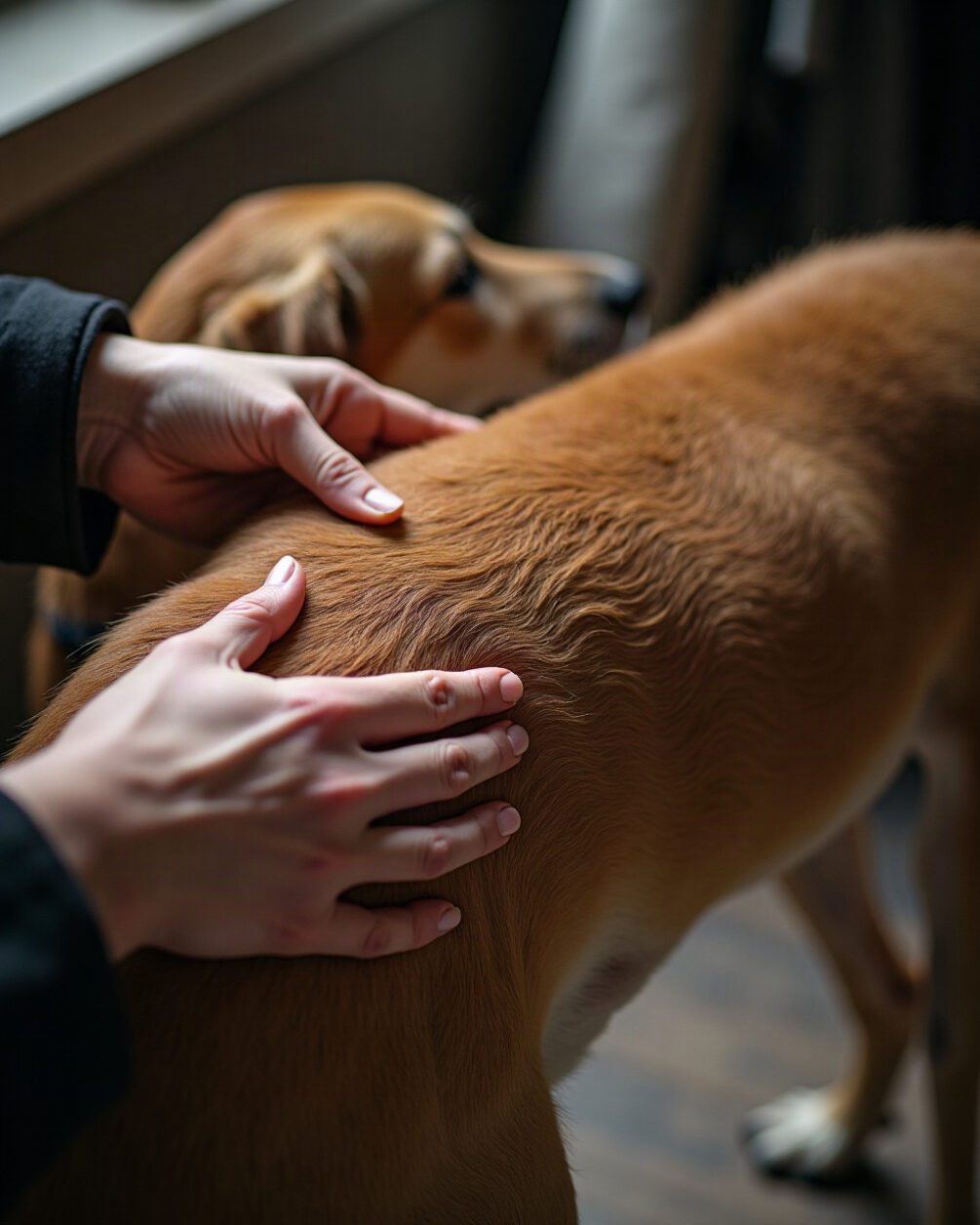
This is a page about telling things apart, not about treating them. Several of these need prescription medication, one of them can be passed to people, and a few conditions that look identical to the eye are not parasites at all. Where the answer is a vet, this guide says so rather than selling around it.
The comb test, first
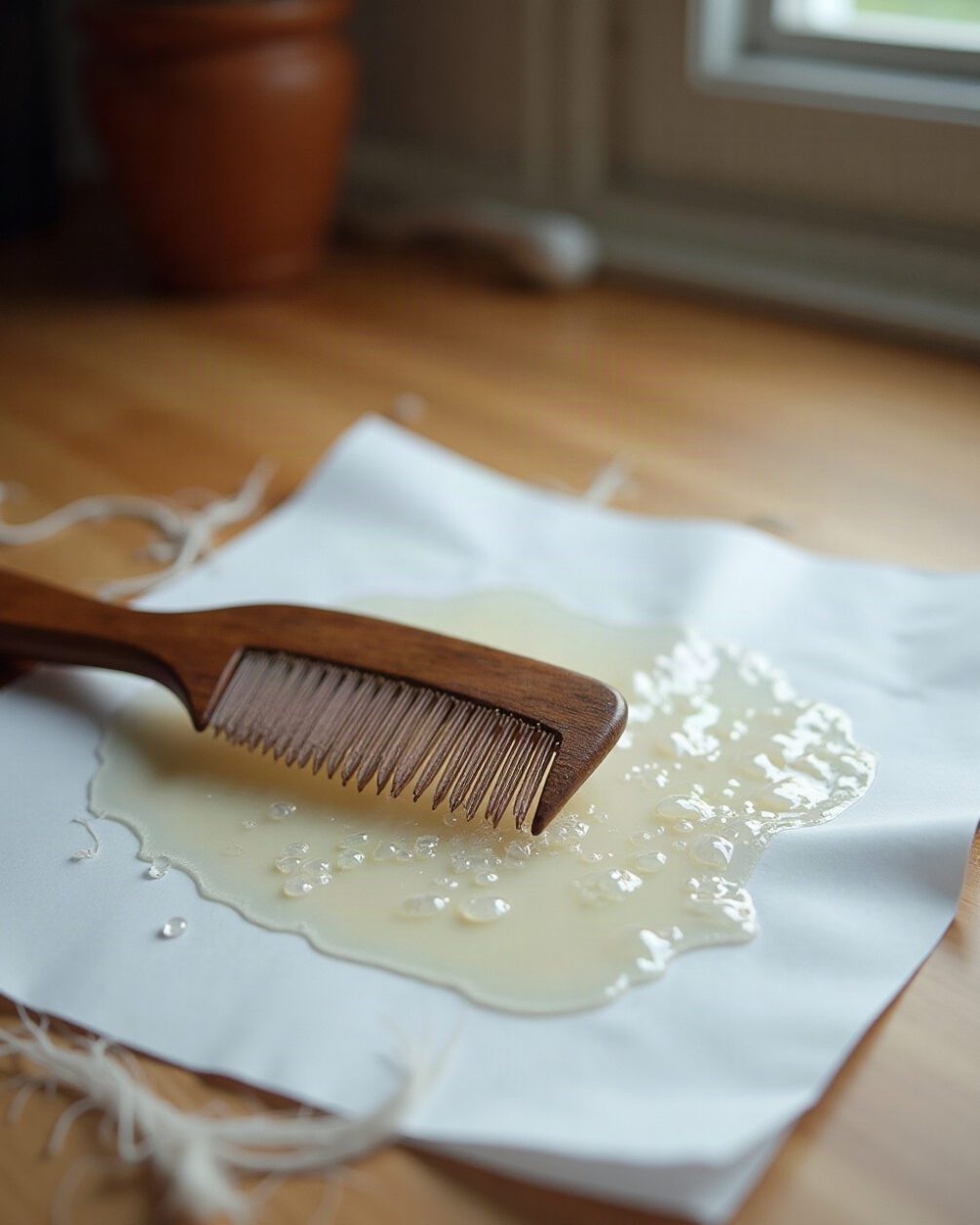
Most of this resolves with a fine-toothed comb, good light and a sheet of damp white paper.
Comb through the coat, working over the shoulders, base of the tail, belly and behind the ears, and wipe the comb onto the paper after each pass.
Dark specks that turn reddish brown on damp paper are flea dirt, which is digested blood. That confirms fleas even when you never see one.
Pale flakes that move on their own point at walking dandruff.
Specks firmly glued to individual hairs point at lice eggs.
Nothing at all, repeatedly, points away from parasites and toward skin conditions, allergies and dry skin, which are far more common causes of scratching than owners expect.
Fleas, the default assumption
One to three millimetres, dark reddish brown, shiny, flattened side to side, and they move through fur fast. People describe them vanishing rather than crawling.
Kentucky’s guidance is that pets acquire fleas from kennels, groomers, strays and wildlife, and UC IPM is equally direct that flea management depends on treating the pet, with the environment as a secondary target.
The order matters and getting it wrong is why people conclude a treatment failed. Animal first, then the places it rests, then patience, because pupae are resistant and hatch over weeks. A resurgence a fortnight later is normal rather than failure. Our complete flea guide covers the sequence and the life cycle guide explains the timing.
Dog lice, which are not human lice
Chewing and sucking lice both occur on dogs. They are two to three millimetres, pale, and unlike fleas they barely move, staying put in the coat rather than darting.
The reliable sign is the eggs: small pale specks cemented to individual hairs, which will not slide along the shaft. That is the same test that separates a nit from dandruff in people, covered in our guide to bugs that look like lice.
The reassuring part: dog lice are host-specific and cannot live on people. Our lice versus fleas guide covers why the human species are a separate problem entirely. Treatment is straightforward but is a vet conversation, because the products differ from flea treatments.
Walking dandruff, mange and ear mites
These three are mites, they are the ones people cannot identify from a photograph, and all three need a vet.
Walking dandruff is cheyletiellosis. The mites are large enough that the flakes appear to move, which is exactly how it gets described. It is intensely itchy, common in puppies and rescues, and it can transfer to people temporarily, causing an itchy rash. It is easily treated once diagnosed.
Mange comes in two forms that behave differently. Sarcoptic mange is intensely itchy, spreads, and is contagious to other animals and to people. Demodectic mange is usually not itchy, often appears as patchy hair loss around the face and legs, and frequently signals something else about the animal’s health. Neither is diagnosable by eye: it takes a skin scraping.
Ear mites produce head shaking, scratching at the ears, and a dark crumbly discharge often described as looking like coffee grounds. They are highly contagious between animals in a household.
For all three the honest advice is the same: a vet, and a skin scraping or ear swab, because the treatments are different and getting it wrong wastes weeks while the animal is uncomfortable. There is no shop product that substitutes for the diagnosis.
Ticks, which need removing rather than identifying
A tick found on a dog is usually noticed once it has fed and swollen, which is when it looks least like the pictures. They attach most often around the ears, the neck, between the toes and in the armpits.
Removal comes before identification. Fine-tipped tweezers, grasp as close to the skin as possible, steady upward pull, no twisting and no burning. Keep the tick in a sealed bag with the date on it. The CDC’s overview of ticks and tick-borne disease covers the risk, our removal guide covers the method, and the guide to tick bites on dogs covers the aftercare and the signs worth watching for.
If it turned out to have eight legs and be flat rather than a tick, our tick look-alike guide covers the impostors.

When it is not a parasite at all
A large share of dog scratching has nothing to do with insects, and it is worth saying because months get lost to repeated flea treatments that were never going to work.
Environmental and food allergies are extremely common and produce identical scratching. Dry skin, particularly in winter and in heated homes. Bacterial or yeast skin infections, often secondary to the scratching itself. Contact reactions to a new shampoo, bedding or floor cleaner.
The pattern that points away from parasites: persistent scratching, nothing found on repeated combing, no flea dirt on damp paper, and no other animal in the household affected. At that point more parasite treatment is the wrong direction and a vet is the right one.
Common questions
Can I catch anything from my dog?
Some things, temporarily. Walking dandruff and sarcoptic mange can produce an itchy rash in people, and fleas will bite people opportunistically without being able to live on them. Dog lice cannot transfer at all. Our guide to things that feel like bites but are not always insects covers the human side honestly.
I treated for fleas and the scratching continued.
Then it was probably not fleas, or not only fleas. Comb onto damp paper and look for flea dirt. If there is none after several attempts, the next step is a vet rather than another product.
Is there a home test for mites?
No. Diagnosis needs a skin scraping under a microscope, and that is not something to approximate at home. Guessing here costs the animal weeks of discomfort.
Final verdict
Comb onto damp white paper. Dark specks going reddish brown means fleas, and the work starts with the animal rather than the carpet. Specks glued to individual hairs means lice. Flakes that move means walking dandruff. Head shaking with dark ear debris means ear mites. The last three are vet visits rather than shop purchases, and if repeated combing finds nothing at all, the honest answer is that this is probably a skin condition rather than a parasite, and treating it as one is the fastest way to stop the scratching.