
Bird droppings are white to grey, chalky and splashed rather than segmented into pellets, because urine and faeces are excreted together. The white part is uric acid. They mark a roost directly above them, so the streak on a wall is a pointer rather than the problem. The real risks are dried accumulations in enclosed spaces, and the legal position: active nests of wild birds are protected in the UK, the EU and the US, so timing decides what you are allowed to do.
- No segments, no pellet shape. That distinguishes it from every mammal on the site.
- Follow the streak upward to find the ledge, gap or panel being used.
- An active nest is protected. Work waits until it is empty, and that is not optional.
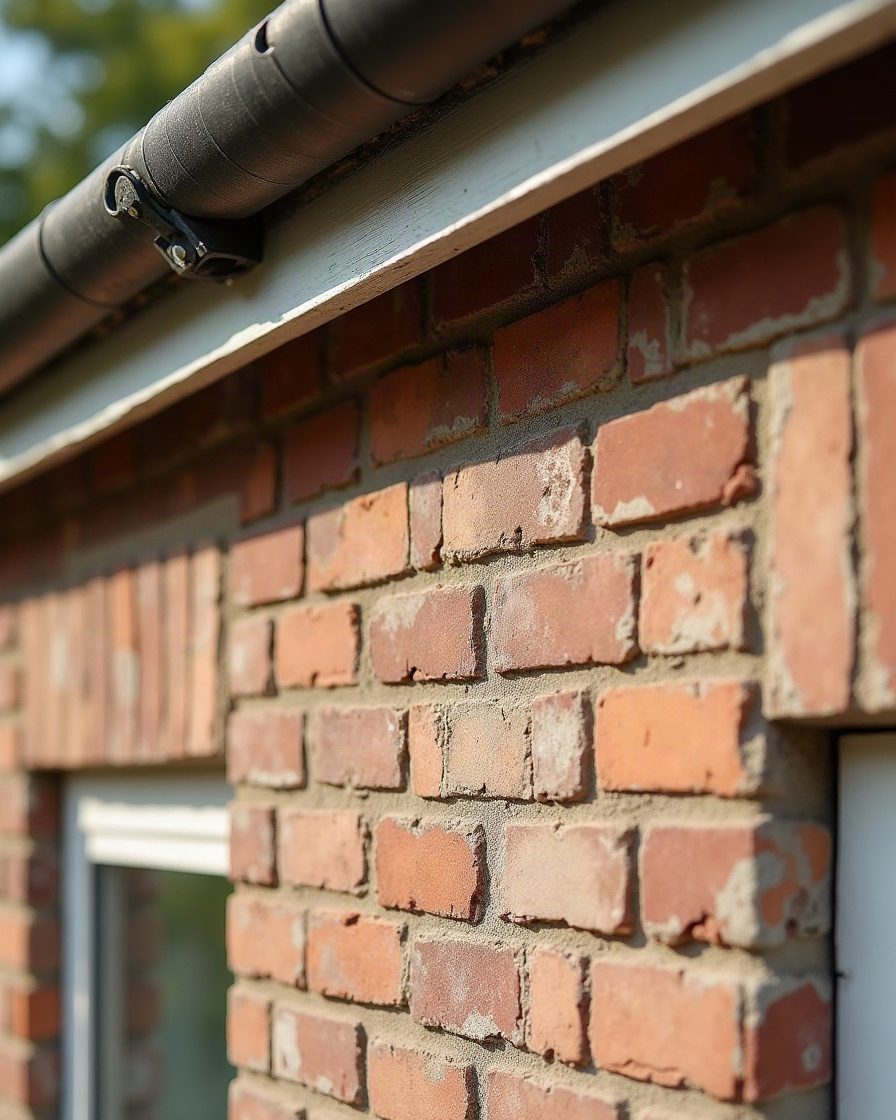
Bird droppings rarely need identifying as bird droppings. What they need is reading, because they are directional evidence: a streak down a wall marks the position of something above it, and that something is usually the actual finding.
What they look like and why
Birds excrete urine and faeces through a single opening, so the two arrive together. The dark portion is the faecal material and the white portion is uric acid, which is excreted as a paste rather than in solution. That produces the familiar white-and-dark splash with no segmentation and no pellet shape.
This makes them easy to separate from everything else on the droppings chart: no mammal or insect on that list produces a chalky white component.
Fresh droppings are soft and glossy. They dry within hours to a chalky, adherent crust that is difficult to remove from porous surfaces and that etches paintwork and some stone over time.
Reading the position
A vertical streak down a wall marks a perch directly above: a ledge, a sill, a pipe bracket, a gutter edge.
A concentrated accumulation on a horizontal surface marks a regular roost, where birds spend the night rather than pausing.
A scatter around a small opening marks an entry point in use, and this is the finding that matters, because it means nesting rather than perching.
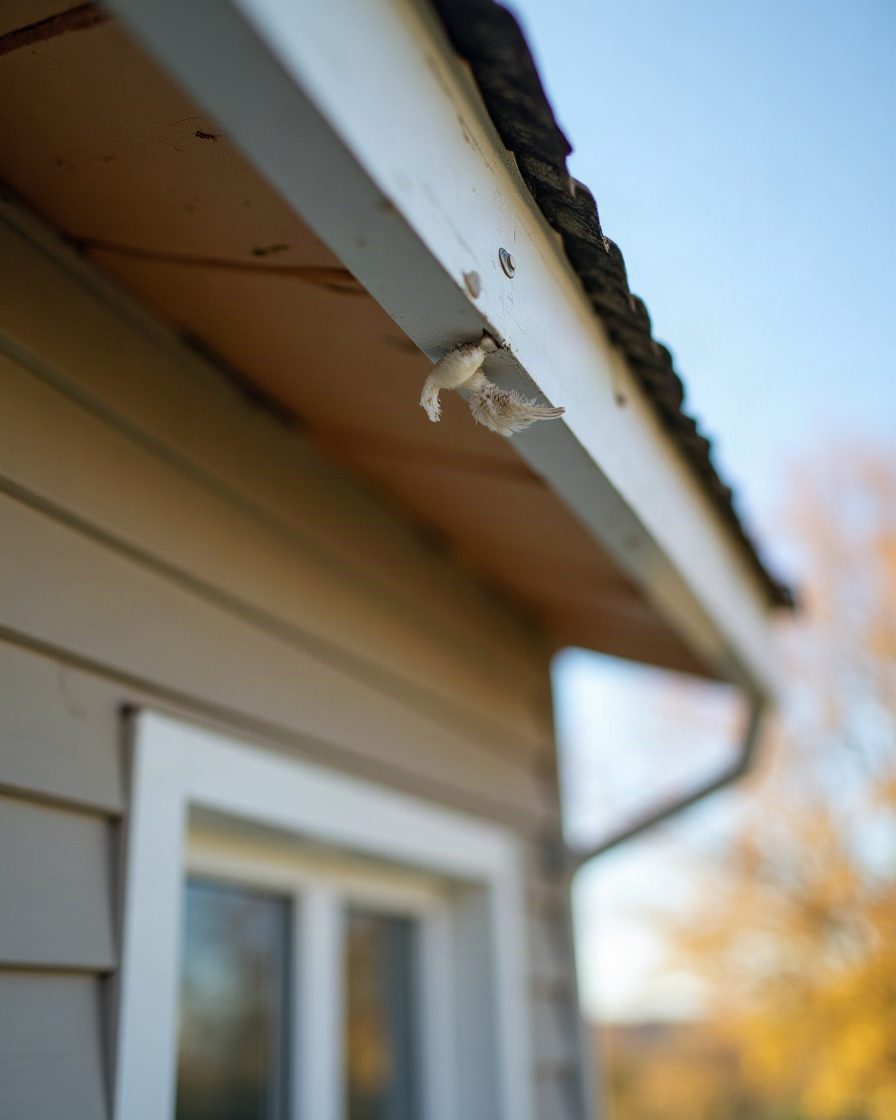
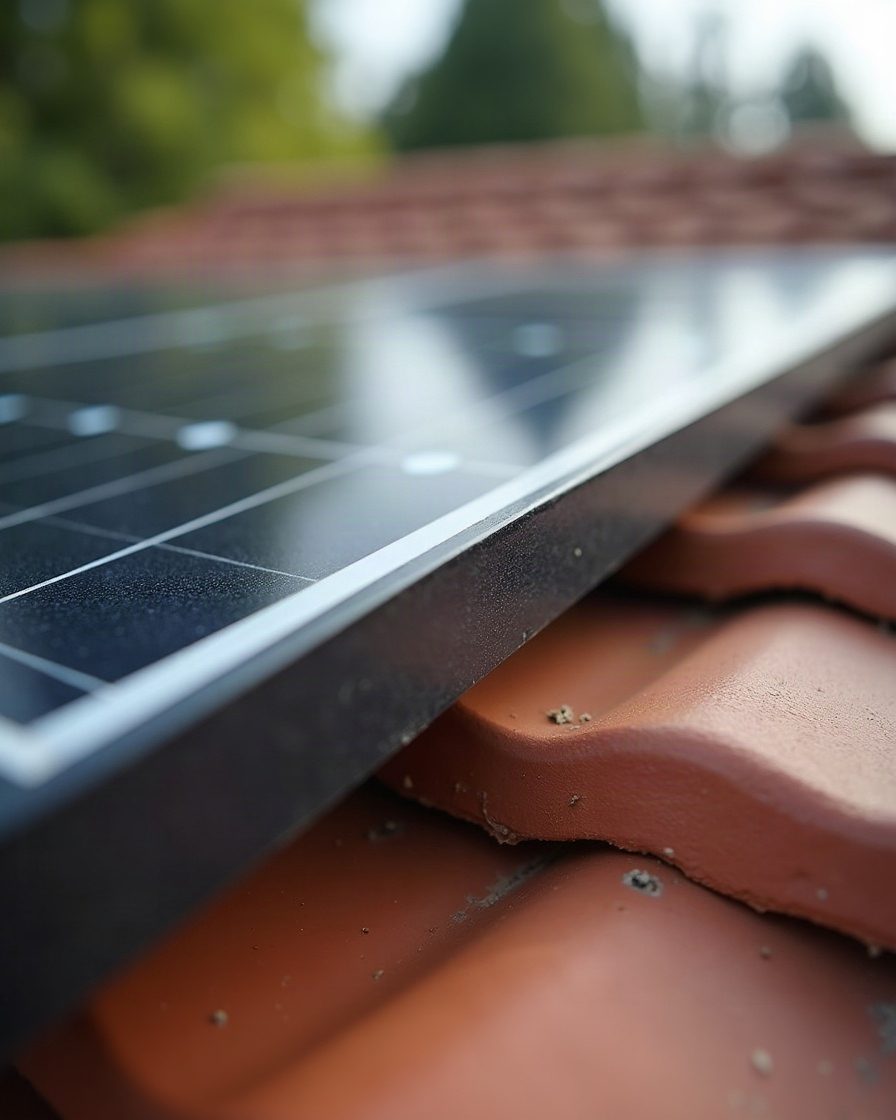
The places worth checking on a domestic building are predictable: soffit and fascia junctions, gaps under roof tiles at the eaves, chimney stacks and disused flues, extractor and boiler vents with missing cowls, gaps behind gutters and downpipes, and the cavity beneath solar panels. The last of these has become the commonest nesting site on modern houses and the least often inspected, because it is invisible from the ground.
The corroborating evidence
Droppings alone can be historic. Three other traces date the activity.
Feathers and down caught at a gap or on a ledge indicate current or very recent use.
Nesting material protruding from a gap, or accumulating in a gutter, is decisive. It is usually coarse, layered and untidy compared with the finely shredded material a rodent produces, and shredded paper and nesting material covers the distinction.
Noise. Chirping from within a roof space in the early morning, particularly the persistent calling of nestlings, is unambiguous. Attic pests identified by sound covers how it differs from rodent noise.
A blocked gutter with vegetation growing in it, on a house where nothing else is wrong, is very often a nest that has been there for more than one season.
The insects that come with the nest
This is the part most people do not anticipate. An occupied bird nest is a habitat in its own right, and when the birds leave, its occupants look for somewhere else to go, which is usually inward.
Bird mites leave the nest in numbers once the young fledge and the nest cools. They enter the room below through gaps around light fittings and loft hatches, bite people, and cannot sustain themselves on a human host, so the problem is self-limiting once the nest is removed. It is nonetheless unpleasant and it is frequently misdiagnosed. Our guide to bird mites in the house covers it, and tiny bugs on skin you cannot see covers the wider set of causes for that sensation.
Carpet beetles breed readily in the feather and debris of an old nest, and a persistent carpet beetle problem in an upper room sometimes traces back to a nest in the eaves rather than to anything in the room.
Fleas and blowflies also occur in and around nests.
The health question, kept in proportion
The concern with bird droppings is the same as with bat guano: histoplasmosis, caused by inhaling spores of a fungus that grows in soil and material enriched by droppings. It is associated with large, dry, long-standing accumulations that are then disturbed, particularly in enclosed spaces such as lofts, disused chimneys and pigeon roosts. The CDC’s page on histoplasmosis sets out where the real exposure sits.
A few splashes on a windowsill are a cleaning task, not a health event. A decade of pigeon roosting in a loft is a job for someone with respiratory protection.
The method, as everywhere else on this subject: ventilate, gloves, dampen thoroughly, wipe rather than sweep, bag, wash.
The legal position, which decides the timing
In the United Kingdom, all wild birds, their active nests and their eggs are protected, and it is an offence to damage or destroy a nest while it is in use or being built. In the European Union the position is equivalent. In the United States the Migratory Bird Treaty Act protects most native species and their active nests.
The practical consequence is simple and not negotiable: while a nest is active, the work waits. Proofing, netting, spike installation and gap sealing are done outside the nesting season, or after a nest has been confirmed empty and the young have fledged.
This is a case where the EPA’s general point about whether a pesticide is needed at all is beside the point in a useful way: there is no chemical answer here. The answer is exclusion, correctly timed.
Common questions
How do I know if the nest is still active? Watch the entry for twenty minutes at dawn or in the early evening. Birds returning repeatedly to the same gap settle it. Calling from inside settles it faster.
Can I remove an old nest? Once the season is over and the nest is genuinely disused, yes, with the same dust precautions as any accumulation. Removing it is what prevents the mite problem the following year.
They are nesting under my solar panels. Common, and specialist mesh proofing exists for exactly this. Fit it after the season, not during.
Does it damage the building? Blocked gutters and vents cause damp and are the real structural cost. The droppings themselves etch paint and soften some mortar over years.
The bottom line
Chalky and white with no segments means bird, and the streak is a pointer rather than the finding. Follow it up to the gap, check for feathers and material to date the use, and plan the proofing for after the season. Then remember the nest is a habitat: clearing it once it is empty is what stops the mites arriving in the room below next summer.
Pingback: Nests in Vents and Soffits: What Is Living in the Gap