Two checks settle it. A silverfish has three thin filaments at the tail end and a body covered in fine scales that give it a metallic sheen. Firebrats have both and are the genuine twin, separated by where they live. Bristletails, earwig nymphs, small centipedes and rove beetles each fail one check or the other.
- Three tails, silver sheen, damp room: silverfish.
- Three tails, mottled brown, hot dry place: firebrat, which wants an airing cupboard rather than a bathroom.
- Pincers instead of filaments: earwig nymph, which came in from outside.
Silverfish are among the most recognisable household insects, which is exactly why so many things get mistaken for them. Anything flattened, tapered and quick along a skirting board gets the name. Two features do the separating and both are visible without magnification.
The two checks
The tail end. A silverfish has three thin filaments spreading from the tip of the abdomen: two cerci and a central appendage. Nothing else on this page has that arrangement.
The surface. The body is covered in fine detachable scales that produce a metallic grey sheen and rub off on your fingers. A silverfish handled roughly leaves a faint silvery smudge.
Everything else is a variation on shape, and shape is the weakest evidence here.
Firebrats, the genuine twin
This is the one that is genuinely hard to call from a photograph, because firebrats are close relatives with the same three tails and the same scales. The difference is colouring and, more usefully, habitat.
Silverfish are uniformly silver-grey and want cool damp: bathrooms, under sinks, basements, behind skirting on external walls.
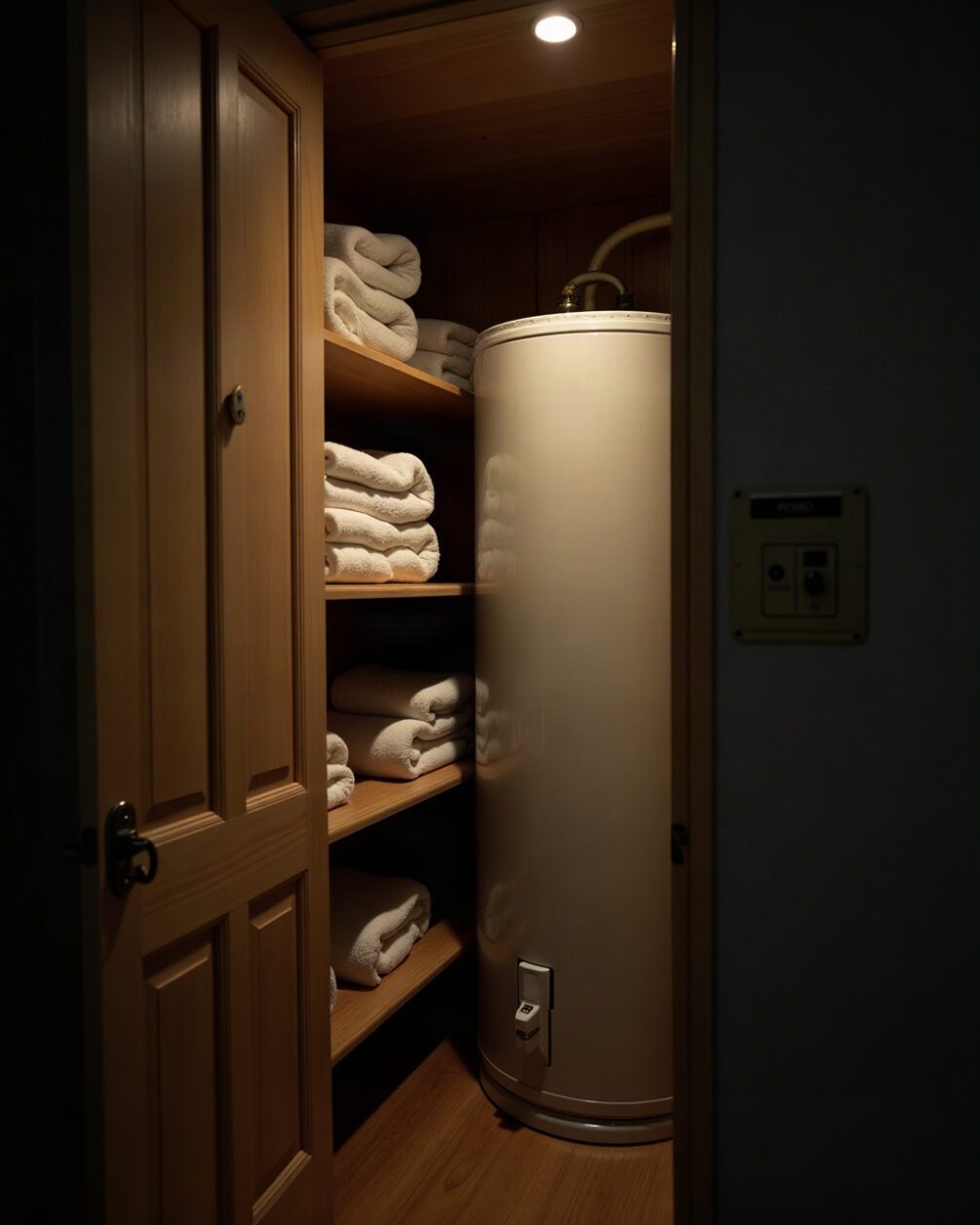
Firebrats are mottled brown and grey and want hot and dry: airing cupboards, around boilers and hot water cylinders, behind ovens, in loft spaces near a flue.
If the insect is in a warm dry place, it is a firebrat regardless of what it looks like. Our silverfish versus firebrats guide covers the comparison in detail, and the practical consequence is that the fix differs: a bathroom needs ventilation, an airing cupboard needs the stored paper and cardboard taken out.
Bristletails, which are outdoors
Bristletails, sometimes called jumping bristletails, are close relatives that live outdoors under bark, stones and leaf litter. They have three tails and a scaly body, so they pass both checks, but they have a humped back rather than a flat profile, and they jump, which silverfish cannot do.
They come indoors by accident and cannot establish. Finding one means a door or a window, not an infestation.
Earwig nymphs, centipedes and rove beetles
Earwig nymphs are the most common false alarm after firebrats. They are elongated, pale brown, and roughly the right size, but the tail end has a pair of hard curved pincers rather than three soft filaments. They are outdoor insects that shelter in damp gaps and come in under thresholds. Our earwig guide covers them, and the ear myth handles the story everyone has heard.
Small centipedes are long and fast, but the leg count settles it immediately: many pairs rather than three. The house centipede is unmistakable once seen, and our house centipede guide covers it. Our guide to long thin bugs covers this whole group by shape.
Rove beetles are elongated with short wing cases that leave the abdomen exposed, which reads as a segmented tail. They run fast and some raise the abdomen when disturbed. Six legs, no filaments, hard wing cases: three ways it is not a silverfish.
Springtails get mentioned here only because they turn up in the same damp places, but they are far smaller, rounder and they jump. Penn State describes them feeding on mould and decaying material in moist conditions, and our guide to tiny white bugs covers them.
Why it matters which one you have
Not much, in terms of danger: none of these bites, none damages a building, and none carries disease. It matters for the fix, because they are telling you about different conditions.
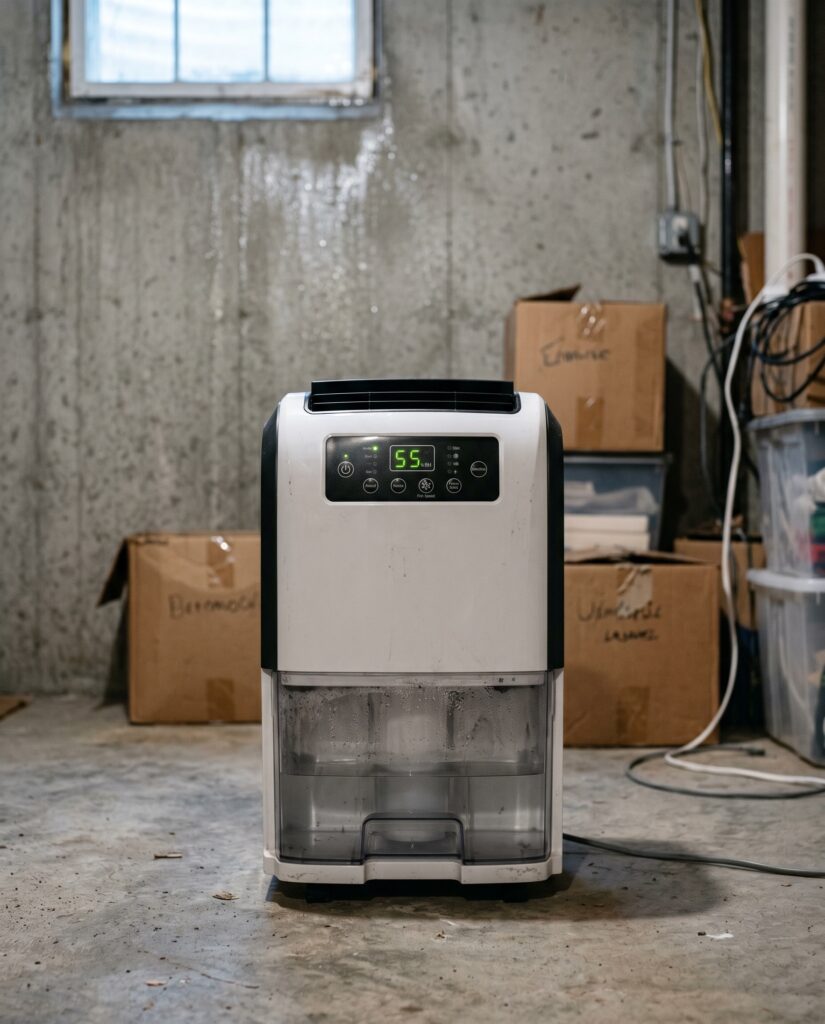
Silverfish mean damp plus starch. Ventilation, a dehumidifier where appropriate, and getting cardboard and stored paper off the floor. Our guides to what attracts silverfish and protecting books and paper cover it.
Firebrats mean heat plus starch. Same storage advice, different room.
Earwigs, bristletails and rove beetles mean a perimeter gap, and the work is outside: mulch and leaf litter pulled back from the wall, door sweeps, sealed thresholds. Kentucky groups the damp-dependent outdoor arrivals usefully in its note on sowbugs and pillbugs needing moist conditions to survive, and the same logic applies to this group.
Centipedes mean there is prey. They are eating the others, so their numbers follow the population you have not found yet.

Common questions
It was in the bath. Did it come up the drain?
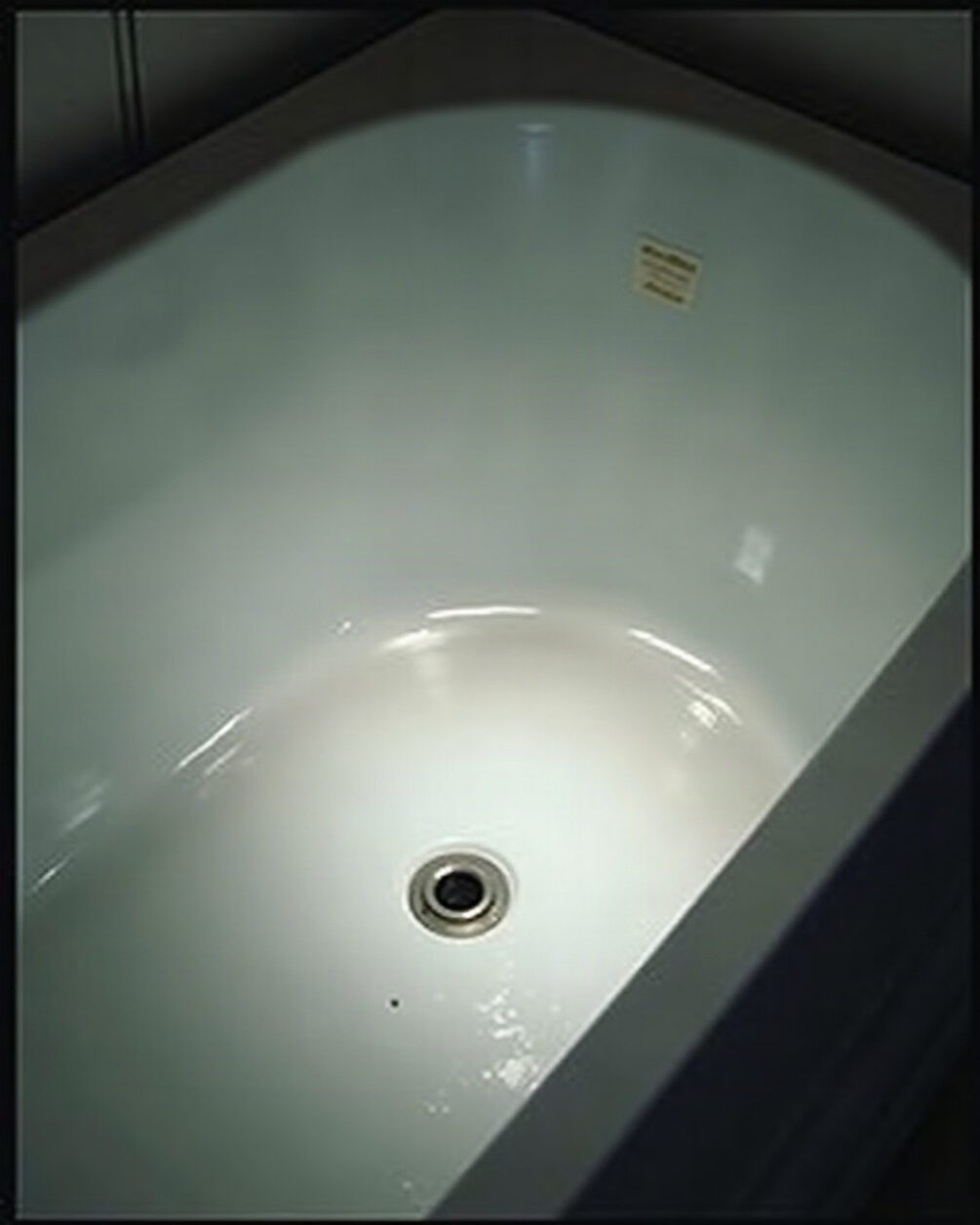
Almost certainly not. A working waste trap holds water and blocks that route. Silverfish fall in while foraging on the smooth enamel and cannot climb out, which is why the bath is where people meet them.
Do silverfish bite?
No. They have no capacity for it and no interest. Our guide to whether silverfish are harmful covers the question properly.
I only ever see one at a time.
Normal for silverfish. They are long-lived, slow to mature and solitary in habit, so a population builds quietly and is rarely seen in numbers the way ants or cockroaches are. One a week for months usually means a small established population rather than a single visitor.
Final verdict
Look at the tail and the sheen. Three thin filaments plus a scaly metallic body is a silverfish or a firebrat, and the room decides which: cool and damp is a silverfish, hot and dry is a firebrat. Pincers at the back is an earwig nymph. Many legs is a centipede. Hard wing cases over an exposed abdomen is a rove beetle. None of them bites, and each one is telling you about a different condition in the building rather than about itself.