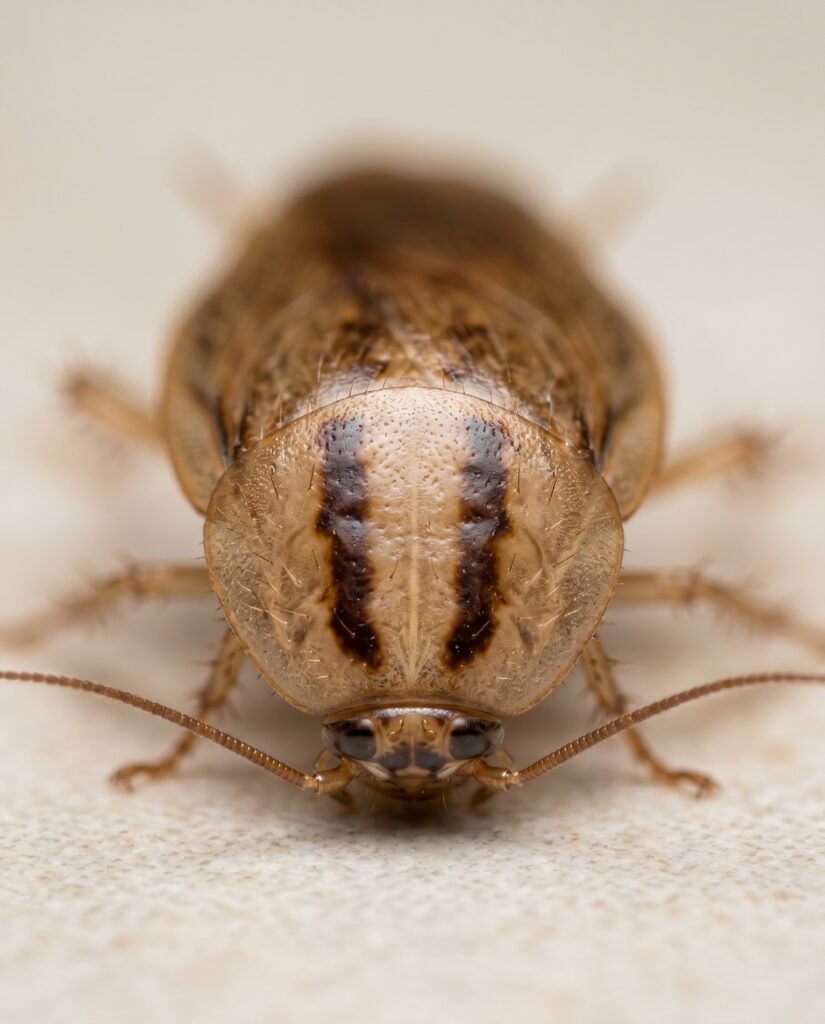
Nocturnal is a useful clue but a weak one on its own, because most household insects avoid light. What separates them is what happens in the first second after you flick the switch. Cockroaches scatter for cover, silverfish wriggle along a skirting, centipedes flow across a wall, earwigs sit still, and bed bugs are not out on the floor at all.
- Scatters for a gap the instant the light comes on: cockroaches. This is the one worth acting on this week.
- Stranded in a bath or basin with smooth sides: silverfish, which climbed in and could not climb out.
- Bites appearing overnight but nothing seen: stop looking on the floor and inspect the mattress seams.
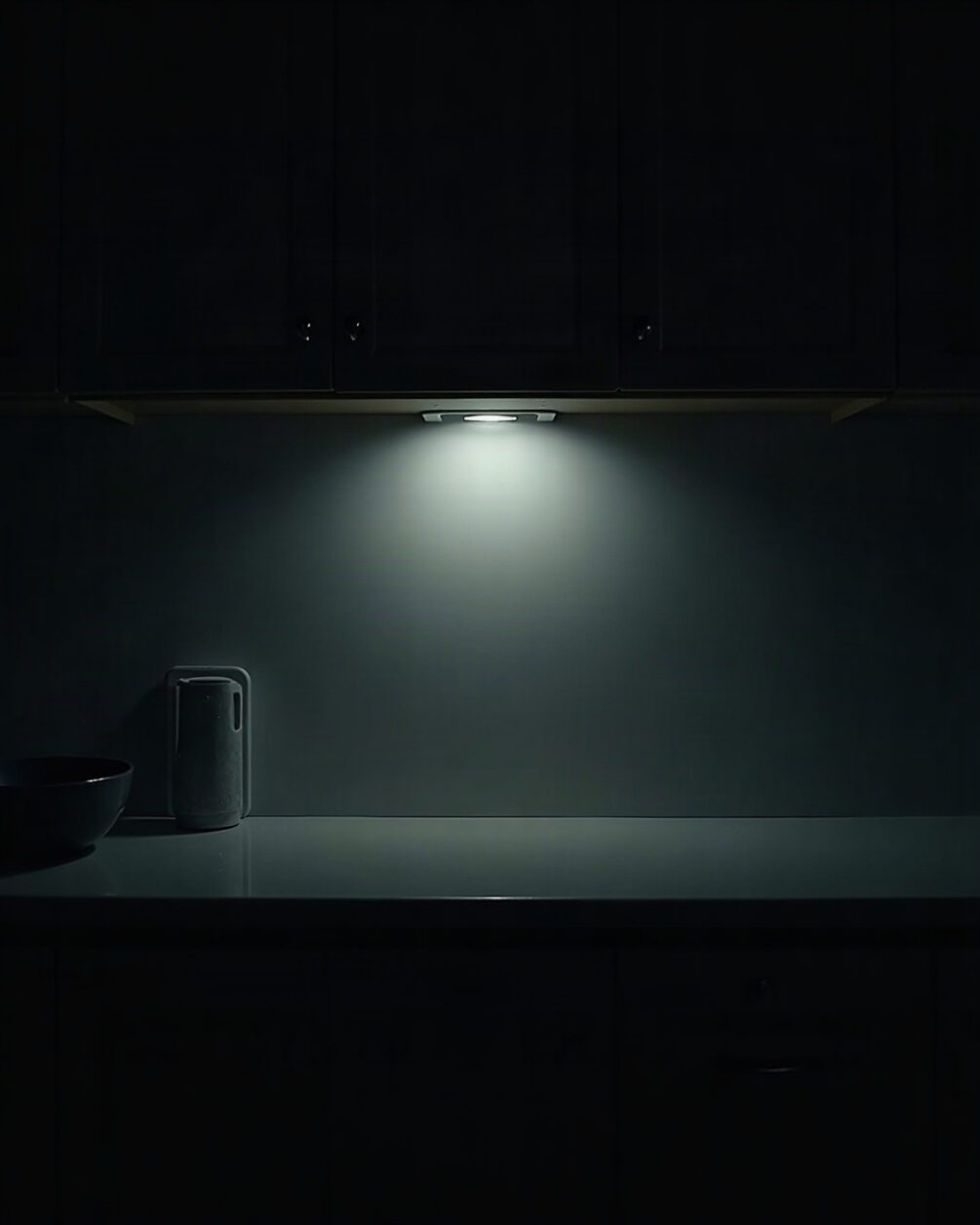
Almost everything that lives in a house is more active after dark, so noticing something only at night rules out very little by itself. The genuinely diagnostic moment is shorter than that: it is the behaviour in the first second of light.
The light test
Walk into a dark kitchen or bathroom and turn the light on without pausing. Then watch, rather than reaching for something.
Scattering for cover, fast, heading for cracks and the undersides of things is a cockroach, and nothing else on this page does it in the same way. UC IPM notes that cockroaches are active at night and hide in cracks and crevices by day, and the flight response to light is the practical expression of that.
A side-to-side wriggle low along a skirting board, quick but not a dash, is a silverfish.
Flowing across a wall on many long legs, faster than seems reasonable, is a house centipede.
Sitting still and being noticed rather than seen moving, often with visible rear pincers, is an earwig.
Nothing at all, but bites in the morning, points away from the floor entirely.
Cockroaches, the one that matters
If the light test says cockroach, this is worth acting on early rather than watching for a month. Kentucky is direct that German cockroaches are the species most likely to infest homes and apartments and that populations build quickly.
The two cavities to check are the gap behind the fridge and the cupboard under the sink, because both are warm or damp, dark and undisturbed. Our guides to the space behind a fridge and the under-sink cupboard cover what to look for, which is fine peppery droppings, pale shed skins and small brown egg capsules.
A small fast brown insect is likely a nymph rather than a different species, and nymphs mean breeding. Our baby cockroach guide shows the stages, and the species guide is worth reading before buying anything, because a large outdoor species that came up a drain is a very different problem from a German cockroach behind a dishwasher.
Silverfish, earwigs and centipedes
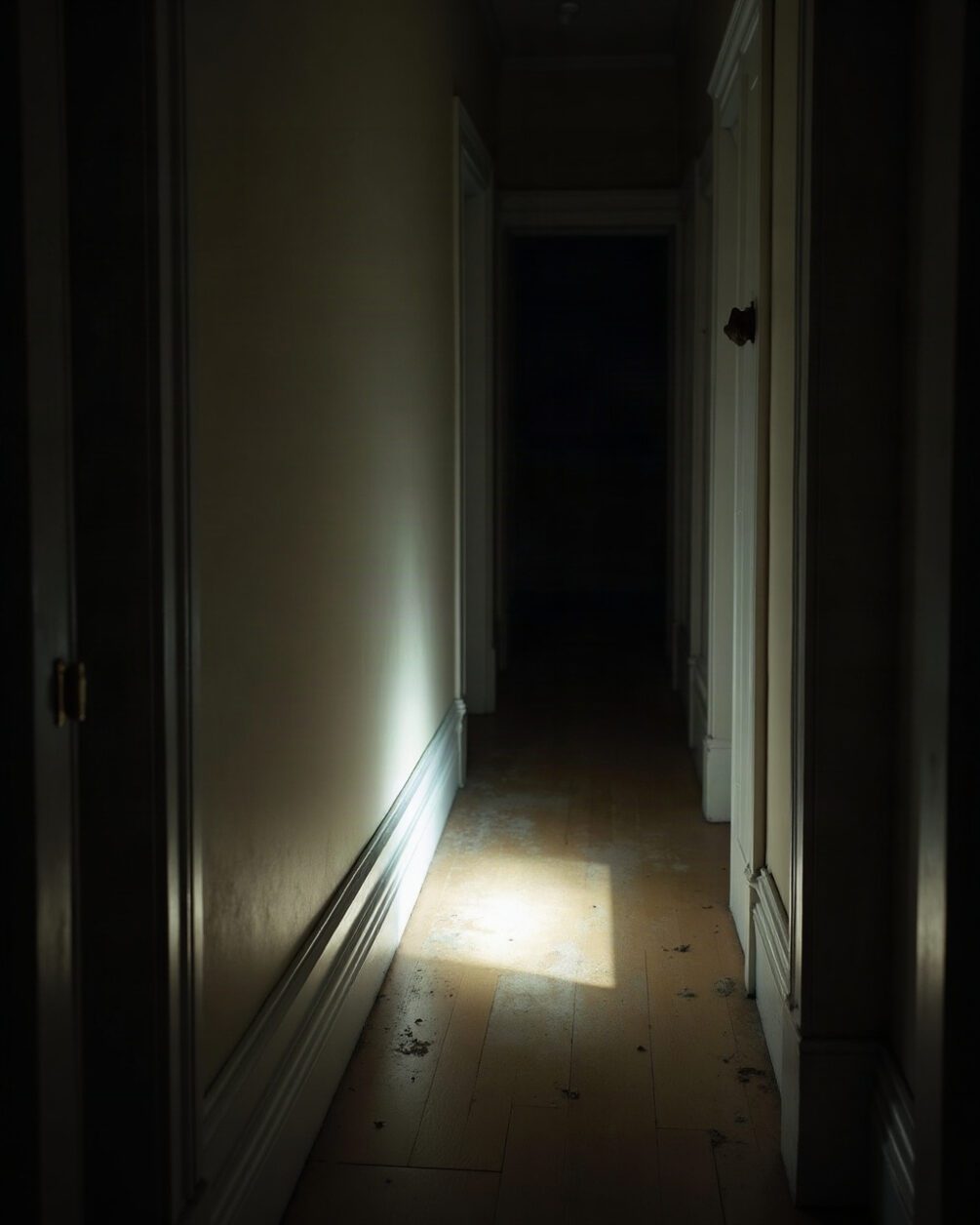
Silverfish are ten to fifteen millimetres, tapered, silver-scaled, with three tail filaments. They eat starch, which means paper, book bindings, wallpaper paste, cardboard and dried food residue, and they need humidity. The classic sighting is one stranded in a bath or basin, because the smooth sides defeat them. Our silverfish guide covers them and what attracts them covers the damp and stored paper that sustains a population.
Earwigs are unmistakable because of the pincers, which look far more dangerous than they are. They are outdoor insects that come in through gaps at ground level, and they do not breed indoors or damage anything. Our earwig guide covers them, and the ear myth deals with the story everyone has heard, which is not true.
House centipedes frighten people more than anything else on this list and deserve it least. They are predators, and what they are hunting is the rest of this page. Finding one means there is enough prey to sustain it, which is the more useful piece of information. Our house centipede guide covers the risk honestly.
Bed bugs, which are not on the floor
Bed bugs are nocturnal in a different sense: they are responding to a still, sleeping host rather than to darkness. So they are not what you see when you turn a light on in a kitchen at midnight.
Kentucky describes them biting exposed skin while people sleep and sheltering in seams and crevices near the bed. If the symptom is welts in the morning rather than a sighting, the search belongs in the mattress seams, the frame joints and the headboard, looking for dark spotting and shed skins. Our inspection guide covers it, and the bedroom identification guide covers what else a bedroom holds once bed bugs are excluded.
Two things bed bugs never do, which is often the reassurance people need: they do not jump and they do not run. Anything that darted across a floor is something else.

Why they are nocturnal at all
It is worth knowing because it explains what works. Insects that avoid light are avoiding predators and avoiding water loss, not seeking the dark for its own sake. That means:
Light itself is not a deterrent. Leaving a light on does not solve anything; it relocates the activity.
Reducing shelter works better than reducing darkness. Sealing the crack, moving the cardboard, fixing the leak. The cavity is what they are actually using.
Monitoring beats hunting. Sticky traps along a skirting overnight tell you what is moving and in which direction, which a torch at random hours does not.
Common questions
I only see them in the bath. Do they come up the drain?
Almost never. Silverfish and centipedes fall in while foraging and cannot climb the smooth sides. The trap in a working waste pipe holds water and blocks the route.
Does one sighting mean an infestation?
For an earwig, a centipede or a large outdoor cockroach species, usually not. For a small brown insect that scattered when the light came on, treat it as a signal rather than an accident.
Should I use a bug bomb overnight?
No. Foggers deposit residue on surfaces and do not penetrate the cracks where these insects actually shelter, which is the entire reason they are hiding. Bait and sealing do the work.
Final verdict
Turn the light on and watch the first second. A dash for a gap is a cockroach and the one thing here worth handling quickly. A low wriggle along a skirting is a silverfish and a damp reading. A flow across the wall on long legs is a centipede eating the others. Pincers sitting still is an earwig that came in under a door. And bites with nothing seen means the search belongs on the mattress seams, not the floor.