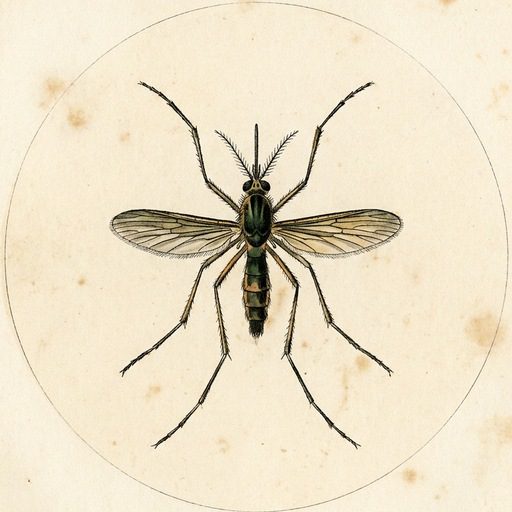
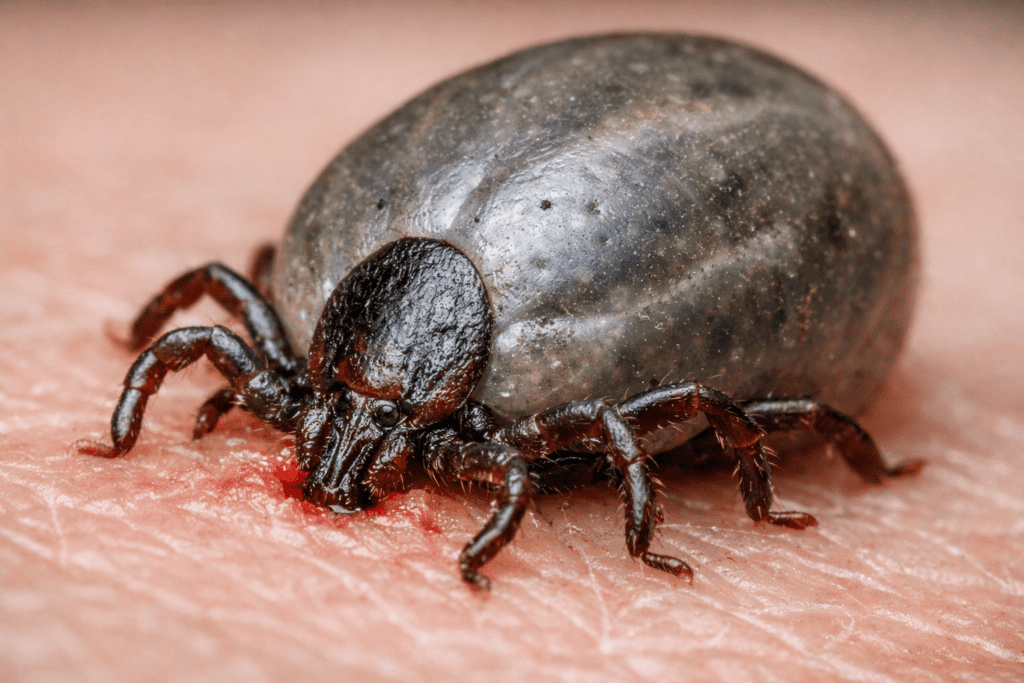
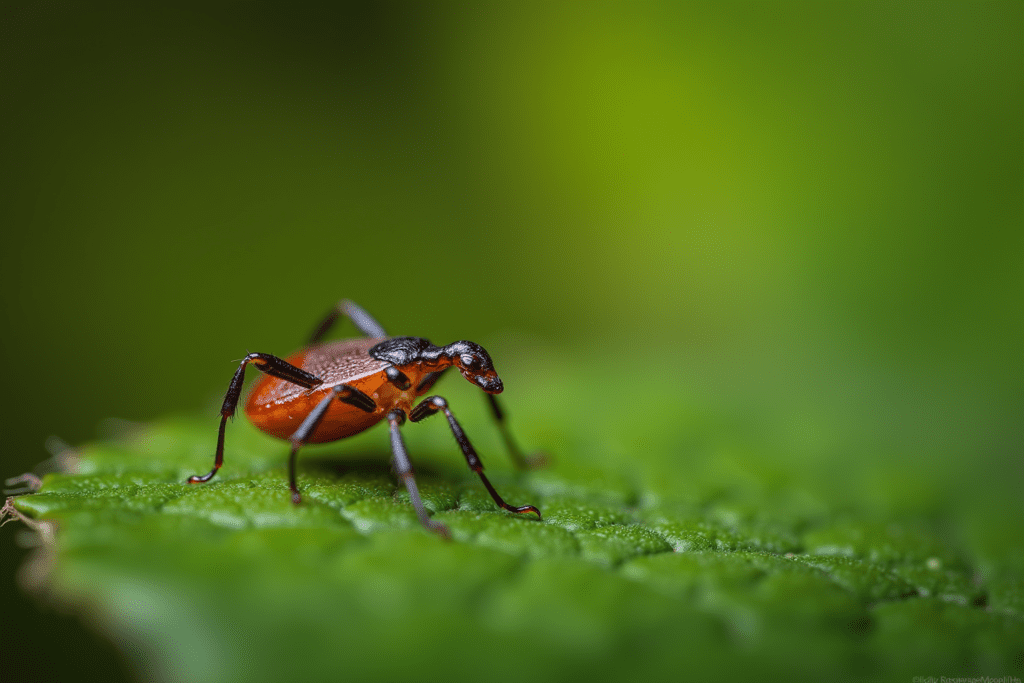
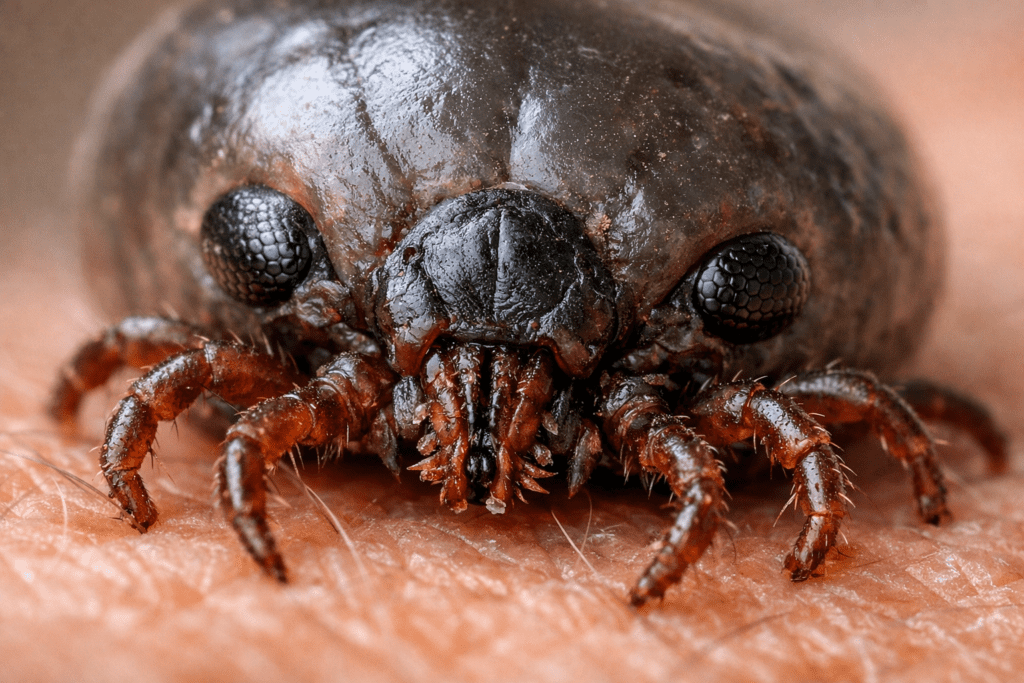
Count the legs. Ticks are arachnids with eight legs as adults and nymphs, so anything with six is an insect and not a tick. That single check clears most false alarms, including bed bugs, spider beetles, weevils and carpet beetle larvae. Poppy seeds, scabs and skin tags account for a fair share of the rest.
- Eight legs, flat, rounded body, no wings or antennae: tick. Remove it properly and note the date.
- Six legs: an insect, and none of the common impostors transmits tick-borne disease.
- Already attached and feeding: removal matters more than identification, and the species can be worked out afterwards.
InsectoGuide is reader-supported. As an Amazon Associate we earn from qualifying purchases at no extra cost to you.

This search usually happens under stress, often with a child involved, so it is worth leading with the check that resolves it fastest rather than a description of every look-alike.
The leg count, and how to actually do it
Ticks are arachnids, related to spiders and mites. Nymphs and adults have eight legs. Insects have six. There is one wrinkle worth knowing: larval ticks, sometimes called seed ticks, have only six legs, and they are very small, around half a millimetre. They are uncommon as single findings but appear in numbers when someone brushes through a nest area.
The practical method is a phone camera in macro mode against a plain background, or a magnifying glass in good light. Also look for what is absent. Ticks have no wings and no antennae. If you can see antennae, it is an insect.
The insects that get mistaken for ticks
Bed bugs are the most common confusion, because they are flat, oval and brown, and they turn up in beds where people are already worried. Kentucky describes adult bed bugs as brownish, oval and flattened, about the size of an apple seed. Six legs, plus antennae. If this is the concern, our bed bug inspection guide is the right page and our bed bug look-alike guide covers the reverse comparison.
Spider beetles are round, shiny and long-legged, and at a glance they read as a swollen engorged tick. They are harmless scavengers and their legs and antennae are obvious under magnification.
Weevils and other small beetles are the right size and colour but hard-shelled and domed rather than flat, and most have a visible snout or clearly jointed antennae.
Carpet beetle larvae get sent to clinics regularly. They are bristly and tapered rather than smooth and rounded, and Kentucky notes they feed on wool, fur and feathers rather than on people. Our carpet beetle guide shows what they look like.
Poppy seeds, sesame seeds, scabs, moles and skin tags account for a real share of these searches, and there is nothing embarrassing about that. A dark speck on skin that will not brush off is worth checking properly, and the leg count is what settles it.

What a real tick looks like at each stage
Size changes dramatically with life stage and feeding, which is a large part of why identification is confusing.
Larvae are around half a millimetre, six-legged, and rarely noticed individually.
Nymphs are roughly the size of a poppy seed, eight-legged, and this is the stage most associated with disease transmission in humans precisely because they are so easy to miss.
Adults are two to five millimetres unfed, flat and shield-shaped.
Engorged ticks of any stage swell into a rounded grey or greenish bean shape, which looks nothing like the flat unfed insect in most reference photographs. This is the appearance that generates the most confused searches.
The CDC’s overview of ticks and tick-borne disease covers the species and regions, and our tick identification guide and deer, dog and lone star tick comparison cover the ones that matter in practice.
If it is attached, do this before identifying it
Identification can wait. Removal cannot, and how it is done matters.
Use fine-tipped tweezers, grasp as close to the skin as possible, and pull upward with steady even pressure. Do not twist, do not burn it, do not apply petroleum jelly or nail varnish, and do not try to make it back out on its own. Those methods are all slower and some increase the chance of the mouthparts breaking off. Our step by step removal guide covers it properly, and the aftercare guide covers what to do afterwards.
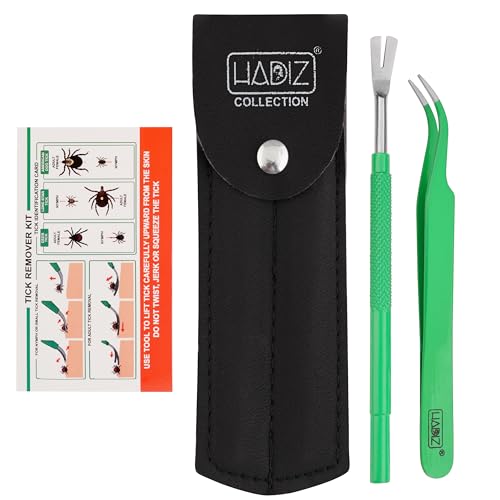
Points fine enough to get under a nymph, which is the stage most often missed and the one worth removing properly.
Keep the tick in a sealed bag or a piece of tape, and write the date on it. If symptoms develop later, having the specimen and the date is genuinely useful to a clinician.
Then watch for symptoms rather than assuming the worst. Our guide to tick bite symptoms and when to see a doctor covers the signs that warrant medical attention, and how long a tick must be attached to transmit disease covers the timing question people most want answered. This article describes patterns and is not medical advice: if you are worried, or a rash or fever develops, see a clinician.

Where it was found is a clue too
On skin, attached, after time outdoors in grass or woodland: consistent with a tick, and worth treating as one until proven otherwise.
On a dog, especially around the ears, neck and between toes: very likely a tick. Our guide to tick bites on dogs covers it.
Loose in a bed, not attached, with no outdoor exposure: more likely a bed bug or a beetle. Ticks do not colonise houses in the way people fear, though our guide to whether ticks can live indoors covers the one species that sometimes does.
In a cupboard or a pantry: not a tick.
Common questions
It has eight legs but it was in my kitchen. Tick?
Possibly a mite or a very small spider instead. Ticks need a host and do not forage in kitchens. Clover mites, which are tiny and red, are a common windowsill finding and are covered in our clover mite guide.
I squashed it before I looked. What now?
Watch the site and note the date. If a rash, fever, aches or fatigue develop in the following weeks, tell a clinician about the possible bite, including where you had been.
Can I identify the species from a photo?
Sometimes for adults, rarely for nymphs, which are small and similar between species. Species matters less than attachment time and symptoms.
Final verdict
Count the legs. Eight means arachnid and a tick is a reasonable conclusion, especially after time in grass or woodland. Six means an insect, and none of the six-legged impostors transmits tick-borne disease. If it is attached, remove it with fine tweezers, straight upward, keep it in a bag with the date written on it, and watch for symptoms rather than trying to settle the identification first.