
Jumping is one of the most useful clues in household insect identification, because only a handful of things do it. Fleas, springtails, flea beetles, crickets and jumping spiders cover nearly every case, and they are separated by where they are and how they move afterwards. Of the five, only the flea bites people, and it only appears where a warm-blooded animal has been.
- Dark, jumps far, and there is a pet: flea. Bites cluster at ankle height.
- Tiny, pale, on a damp surface, jumps erratically: springtail. Completely harmless.
- Small, shiny, on plant leaves with shot-hole damage: flea beetle. A garden problem, not a house one.
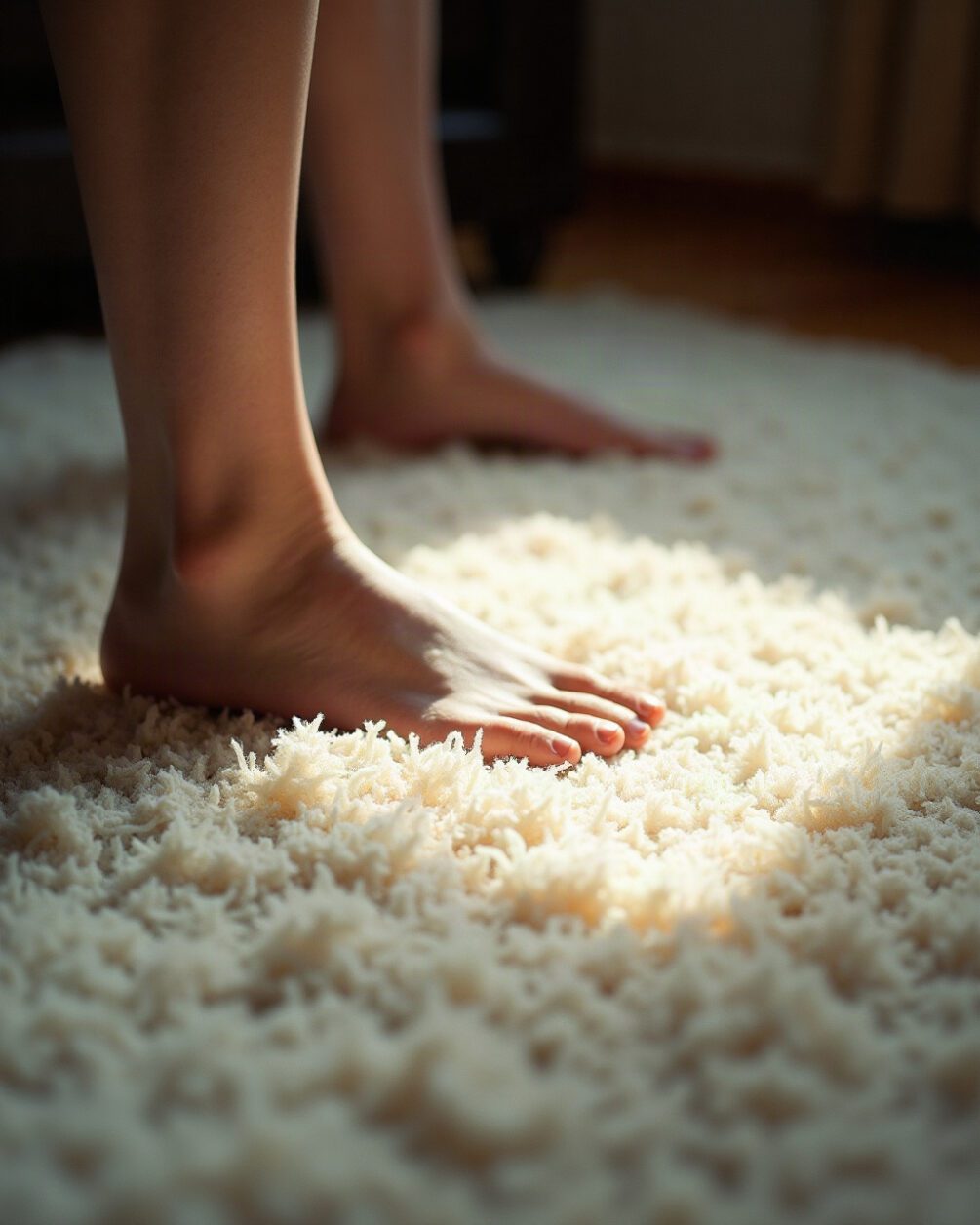
Most household insects walk, run or fly. The small group that jumps is short enough to work through by elimination, and the elimination runs on context rather than appearance: what surface it was on, and whether there is an animal in the house.
The five that jump
| Where you saw it | Almost certainly | Bites people |
|---|---|---|
| Carpet, pet bedding, ankles | Flea | Yes |
| Damp bathroom, plant pot, windowsill | Springtail | No |
| Garden leaves with small round holes | Flea beetle | No |
| Basement, garage, at night | Cricket, often camel cricket | No |
| Wall or window in daylight, stalks then pounces | Jumping spider | No |
Fleas, the only one that matters medically
A flea is one to three millimetres, dark reddish brown, shiny, and flattened side to side rather than top to bottom, which is what lets it move through hair. It jumps hard and far, which is why people describe something vanishing rather than something moving.
The context is decisive. Fleas require a warm-blooded host, so they appear where an animal lives, rests or recently was. Kentucky’s guidance is that pets acquire fleas from kennels, groomers, strays and wildlife, and that control runs through treating the animal rather than fogging the house.
The bite pattern is the other tell: small itchy bumps clustered around ankles and lower legs, because that is the height a flea reaches from the floor. Our flea bites guide covers what they look like, and the complete flea guide covers the sequence that actually works.
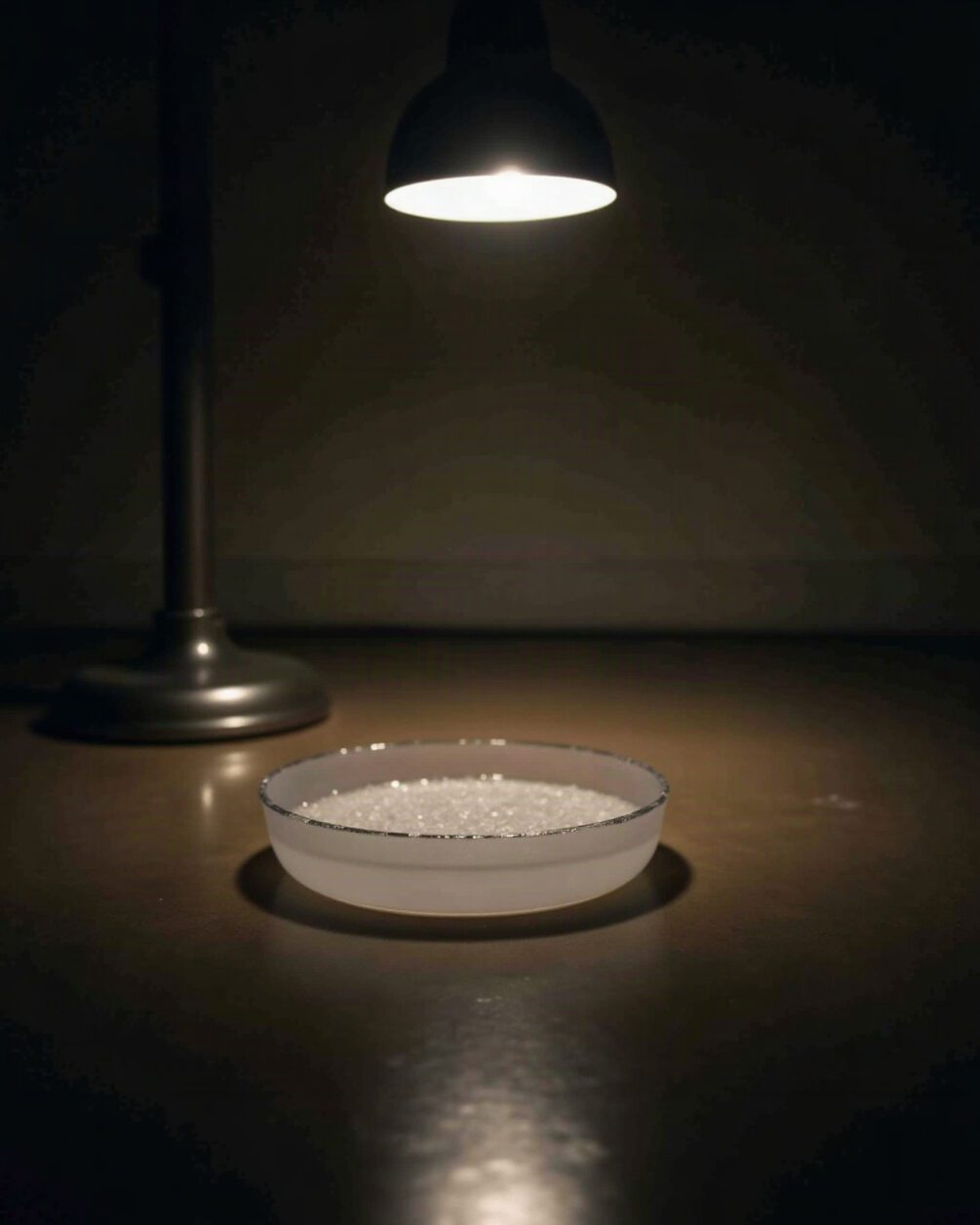
One useful field test: a shallow dish of soapy water under a desk lamp on a carpet overnight. Fleas move toward warmth and light, land in the water, and cannot escape the broken surface tension. It confirms or rules out a flea problem for the cost of a bowl.
If there has never been an animal in the property, be sceptical. Fleas can persist after a previous occupant’s pet, and our flea life cycle guide explains how pupae wait months for a host, but a permanently pet-free home with no history is more likely dealing with springtails.
Springtails, the most common false alarm
Springtails are the ones people panic about, because a jumping insect near a bed reads as a flea. They are one to two millimetres, soft-bodied, and range from white through grey to dark. Penn State describes them feeding on mould, algae and decaying plant material.
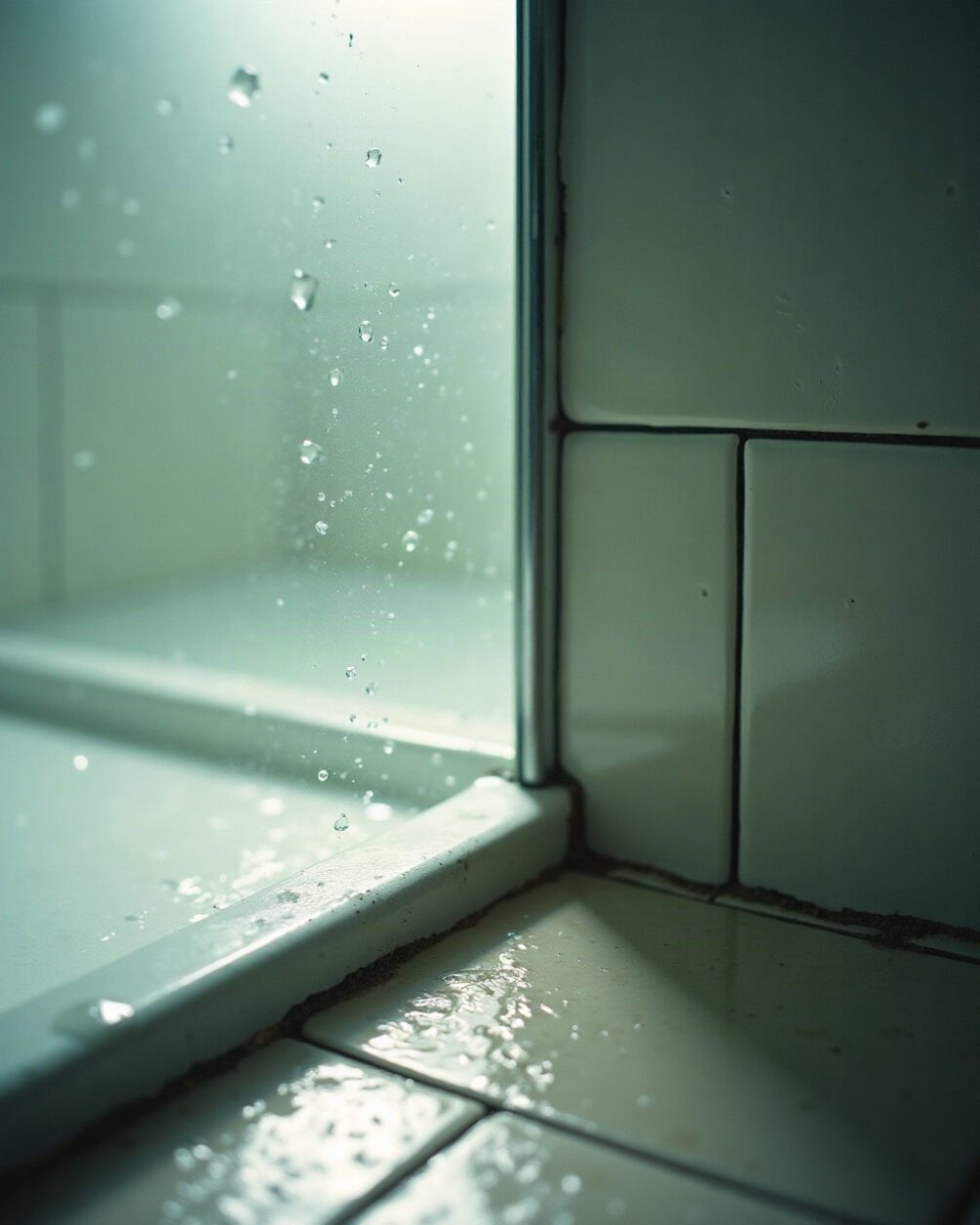
Two things separate them from fleas. Location: springtails need damp, so they turn up in bathrooms, around drains, on windowsills after rain, in plant pots and in basements, not in dry carpet. Movement: the jump is erratic and directionless, a flick rather than a leap, and they often land within a few centimetres.
They do not bite, cannot live on a person, and cannot survive dry air. Finding them is a humidity reading, and a dehumidifier or a working extractor fan ends the problem without any treatment.
Flea beetles, which are a garden problem
Flea beetles are small, shiny, often metallic, and jump strongly when disturbed, which is exactly how they got the name. They have nothing to do with fleas.
They are found on plants, particularly brassicas, aubergines, potatoes and rocket, and their damage is distinctive: many small round holes, as though the leaf had been peppered with shot. They do not come indoors in any meaningful way and do not bite. If leaves are being holed and something jumps when you brush past, this is it, and our garden pest identification guide covers them alongside the other leaf feeders.
Crickets, the loud jumpers
Crickets are far larger and rarely confused with fleas, but they belong on the list because people search for jumping insects in basements and garages and find these.
Camel crickets are the ones that cause alarm: humpbacked, long-legged, no wings, and they jump toward a disturbance rather than away from it, which people find deeply unsettling. They are harmless. Our camel cricket guide covers them, the cricket identification guide covers the species, and whether crickets bite answers the question people actually have. If the problem is noise rather than sighting, finding a chirping cricket is the practical page.
Jumping spiders, which are not insects at all
Jumping spiders are compact, often furry, with two large forward-facing eyes, and they hunt by stalking and pouncing rather than by building webs. They are usually seen in daylight on a wall, a window frame or a sunny sill.
They are harmless and among the more useful things to have indoors, because they hunt other insects. Kentucky’s overview of common spiders around homes and buildings covers the group, and our house spider identification guide is the practical version.
Common questions
Something jumped on me and now I itch. Was it a flea?
Possibly, but itching alone is weak evidence. Check for the ankle-height clustered pattern, and check whether an animal has been in the property. Springtails are commonly blamed for itching they cannot cause.
Do lice jump?
No, and this is a persistent myth worth correcting. Head lice crawl and cannot jump or fly, which is why transmission requires direct head to head contact. Our guide to whether lice jump or fly covers it, and lice versus fleas on humans settles the confusion between the two.
Can bed bugs jump?
No. Bed bugs crawl. Anything jumping in a bedroom is something else, which is often reassuring news.
Final verdict
Jumping is a strong clue, and the follow-up question is simply where. Carpet and ankles with an animal in the house means fleas, and the animal is where treatment starts. Damp bathroom, plant pot or windowsill means springtails, and the answer is ventilation rather than insecticide. Holed garden leaves means flea beetles. A large humpbacked jumper in a basement is a camel cricket, and a stalking hunter on a sunny wall is a jumping spider. Only the first one bites.
Pingback: Flea Bites on Humans: Identification and Treatment